| Phase | What to learn | Planning use |
|---|---|---|
| Before you enrol | Basic human anatomy and physiology; physician-level expertise is not required | Build vocabulary and a body-systems outline first, not a full muscle atlas |
| Body systems | Skeletal, nervous, circulatory and lymphatic systems alongside the muscles | Tie each system to one treatment decision so it sticks |
| Muscle study | Over 300 skeletal muscles: location, attachments, actions | Learn by body region rather than alphabetically |
| Treatment planning | Bony landmarks, contraindications, precautions | Practise palpation and screening questions together |
| Revision and exam | Active recall, group exercises, the unit specification | Map every revision session to what the specification assesses |
Phase outline and system list adapted from Natural Healers and Cortiva Institute.
Anatomy and physiology for massage therapists means knowing how the body is built and how its systems work, so you can plan safe, effective sessions. Begin with a basic grounding, then deepen it system by system.
This study route sits within the wider path described in our guide to massage therapist qualifications. Check how your chosen course teaches and assesses anatomy before you plan your revision.
Phase one: before you enrol
You need a basic understanding of human anatomy and physiology before starting a massage career, but you do not need to match a physician. Natural Healers makes both points, and the second is the reassuring one: the aim is working knowledge you can apply to a client, not medical-school depth.
Training providers pitch the course itself as the place for depth. Praxis, for example, says its students gain an in-depth understanding of anatomy and physiology during training. So the sensible pre-course goal is orientation, not mastery.
- Learn the two core terms. Separate what the body is made of from how it works (see the questions at the end).
- Sketch the body systems. Write a one-line purpose for each system you expect to meet.
- Read the unit specification. Your awarding body’s specification sets the systems assessed and the exam format, so every later study session should map to it.
- Set a weekly routine. Short, regular sessions suit a topic with this much vocabulary.
Phase two: body systems beyond muscles
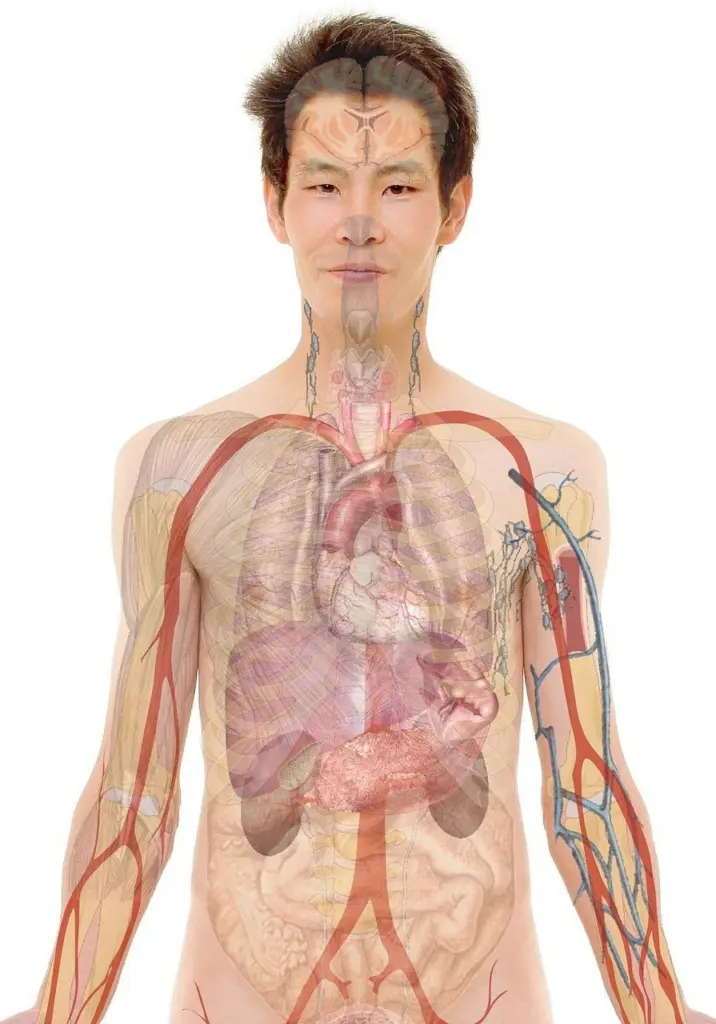
Besides the musculoskeletal system, common massage curricula cover the nervous, circulatory and lymphatic systems, according to Natural Healers. Learn each as a decision aid, not just a list of parts.
| System | Core idea | Treatment decision it informs |
|---|---|---|
| Skeletal | The body’s framework | Using bony landmarks to find structures and avoid pressure on sensitive areas |
| Nervous | Controls how muscles respond to massage techniques | Judging how a client’s tissue is likely to react to the technique you choose |
| Circulatory | Blood flow brings heat and makes muscles more pliable | Deciding how to warm tissue before working deeper |
| Lymphatic | Transports lymph, a fluid containing white blood cells | Recognising it as a separate fluid-carrying system when you read client history |
System roles summarised from Cortiva Institute and Natural Healers.
Praxis adds that knowing how muscles contract and how blood circulates informs technique choice. That is the reason to study physiology, not only anatomy, rather than treating the systems as exam trivia.
Phase three: the muscles to know
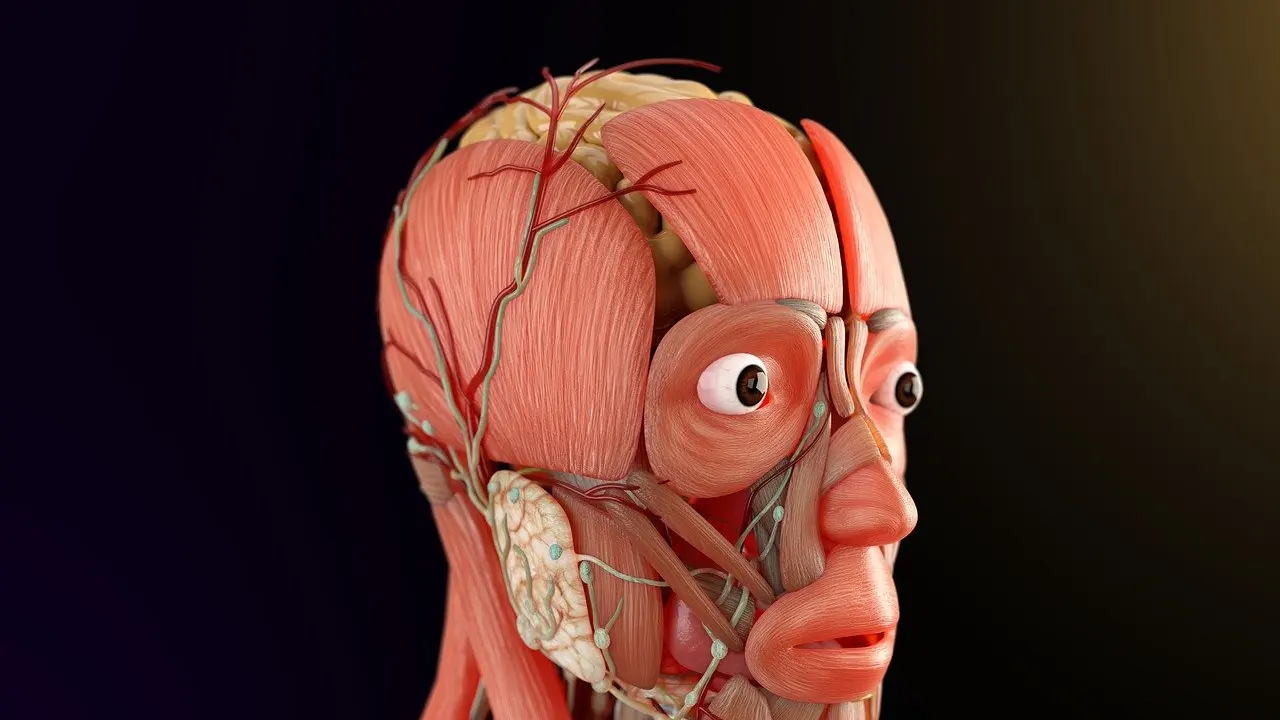
The muscles massage therapists need to know are, in practice, most of the skeletal muscles: students are expected to learn over 300 skeletal muscles, the muscles that move the body. Your specification will name the groups assessed on your course, so use it to set priorities.
Learn where each muscle is located and where it connects, as Praxis describes. Origin and insertion are the two attachment points that record that connection, and they are the starting point for understanding what a muscle does.
Anatomy references list a consistent set of attributes. In one massage-focused anatomy book, each muscle page includes origins, insertions, actions and innervation, along with antagonist and synergistic relationships. Use those same headings as a template for your own notes.
- Pick one body region. Work through the muscles of that region before moving on.
- Record the attachments. Write the origin and insertion in your own words.
- Add the action and innervation. Note what the muscle does and which nerve supplies it.
- Pair opposing muscles. Note the antagonist and synergists for each action.
- Finish by touch. Locate the muscle on a practice partner.
The payoff is clinical. A therapist trained in anatomy can identify the specific muscles contributing to a client’s back pain, which is far more useful than working a whole area without a target. Kinesiology, the mechanics of body movement, then explains how those muscles combine in action.
Phase four: palpation, contraindications and treatment decisions
Palpation is where the anatomy you have memorised becomes a hands-on skill. Understanding bony landmarks helps avoid exerting pressure on sensitive areas, so landmark practice protects the client as well as guiding you to the right muscle.
Contraindications are the other half of treatment planning. Cortiva notes that conditions such as herniated discs or varicose veins require special precautions. Natural Healers adds that the presence or intensity of certain diseases can affect whether massage is appropriate, and that orthopaedic-style testing is used to rule out conditions such as ligament damage or nerve entrapment.
- Spinal conditions: a herniated disc means you adapt your approach rather than treating the area as usual.
- Circulatory conditions: varicose veins call for precautions, which is why circulation sits in your revision list.
- Possible ligament or nerve problems: screen before treating, because massage may not be indicated.
This is why anatomy and physiology are taught together with safe practice: therapists use that knowledge to plan sessions that are both safe and effective. Once you are practising, the same safety mindset sits alongside professional cover, covered in our guide to massage therapist insurance uk.
Phase five: revision methods that work

The best way to revise anatomy for massage is to make it active and physical. Instructors on one programme use group exercises such as drawing muscles on each other, which ties muscle position to a real body rather than a flat page.

- Draw from memory: sketch a region’s muscles, then check against your textbook and correct the gaps.
- Highlight by attribute: use one colour for attachments and another for actions, so patterns stand out.
- Work in pairs: locate and name muscles on each other, then explain the treatment relevance aloud.
- Close the loop: for each system or muscle group, state the treatment decision it informs.
Phase six: exam preparation
For an exam such as an ITEC anatomy and physiology exam, your awarding body’s unit specification is the authority on the systems covered and the paper’s format. Read it before you build a revision timetable, then tick off each listed system and muscle group as you secure it.

Plan the final stretch around weak spots, not favourites. Revisit the systems you have only studied once, and rehearse the vocabulary the specification uses, since that is the wording the paper will use.
Troubleshooting common study problems
- The muscle list feels endless: narrow to one region at a time and use the specification to decide what is assessed.
- Origin and insertion blur together: write them side by side, then trace the movement the muscle produces.
- Systems feel abstract: attach each to a client scenario, such as a contraindication you would screen for.
- Notes do not translate to touch: move from the page to a practice partner as early as you can.
Frequently asked questions
What is the difference between anatomy and physiology?
Anatomy refers to the structure of the body, especially bones and muscles, while physiology refers to the workings of the body’s systems.
Does massage affect the nervous system?
Yes. Massage affects the parasympathetic system and, according to Natural Healers, helps slow heart rate and blood pressure.
What does kinesiology cover?
Kinesiology covers the mechanics of body movement, and it appears alongside anatomy and physiology in massage study, as Natural Healers lists it.
Is one anatomy textbook enough?
Choose one that lists origins, insertions, actions and innervation for each muscle, as the 250 page anatomy book covering bones, joints, muscles and nerves does, then match it to your specification.