| Programme | Length and format | Deep tissue relevance | Planning use |
|---|---|---|---|
| SOCHI Advanced Professional Massage Therapy | 740 hours over 37 weeks (about 9 months); hybrid, with online coursework plus in-person hands-on training | Deep tissue massage is one of the modalities studied, alongside myofascial release and trigger point therapy | A full-programme route for people who want deep tissue inside a complete qualification rather than as a short add-on |
| Parker University massage therapy certificate | 600 hours of practical learning in advanced techniques; COMTA-accredited programme | Advanced work includes myofascial release, neuromuscular therapy and acupressure | A benchmark for how much supervised hands-on time a serious advanced-technique course can contain |
Figures come from the SOCHI programme page and the Parker University certificate page.
A deep tissue massage course works best as a second step after foundation massage training, with theory studied online and technique assessed in person. Choose a course that includes supervised practical hours and states its entry requirements clearly.
If you are still mapping the whole route, the guide to massage therapist qualifications shows where a deep tissue course sits among the other options. The sections below follow the order most learners meet: foundation, theory, hands-on technique, then online delivery and further specialisation.
Foundation first: where deep tissue training starts
Providers tend to sequence massage learning so that core technique comes before specialist work. HH’s course catalogue shows the pattern: MT108A builds the core skills of Swedish massage through supervised in-person practice, and MT108B then integrates Swedish techniques into clinical practice and explores specialty applications.
For most people the sensible starting point is therefore a recognised foundation course. If you have not trained yet, a swedish massage course gives you the base strokes, body mechanics and client handling that deeper pressure work relies on.
Entry requirements vary by provider
Whether you need a foundation diploma before a deep tissue course is set by each provider, not by the technique itself. Dakota County Technical College’s introductory course, MSTH 101, covers the history of therapeutic massage, medical terminology, ethics, hygiene, safety and SOAP notes, and it lists biology prerequisites (BIOL 161 and BIOL 163, or BIOL 251 through BIOL 254) in its catalogue entry. That shows a prerequisite can be a science course rather than a massage qualification.
- Read the entry line on the course page and note whether it names a massage qualification, a science course or neither.
- Confirm that the foundation units you already hold were delivered with supervised practice, since advanced courses build on that handling.
- Ask whether deep tissue is a standalone course or one module inside a longer programme.
Theory: anatomy, fascia and pathology
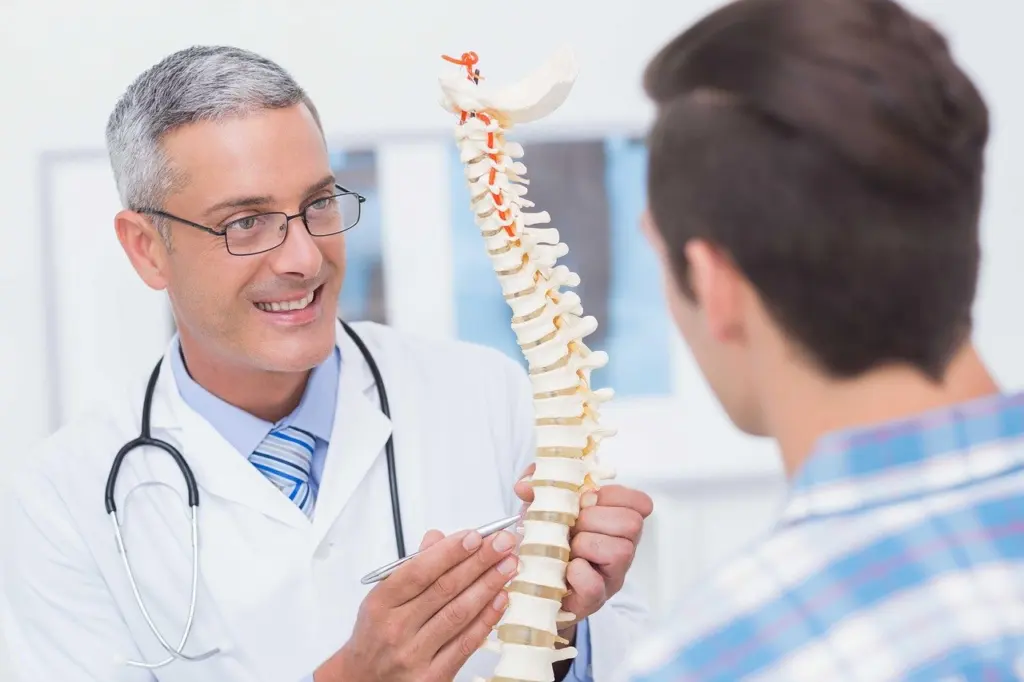
Deep tissue work is only as safe as the therapist’s knowledge of what lies under the hands. SOCHI lists anatomy and physiology, kinesiology and movement, and pathology and health considerations as the body and health foundation of its programme, according to its programme page.
Anatomy and physiology
Anatomy and physiology is the subject most often delivered online. HH’s AP1201, Anatomy and Physiology Part I, runs for 30 hours online, and its Part II course (AP1302) is designed alongside AP1201 to fulfil Texas requirements for massage therapists, as the HH catalogue describes. Check which jurisdiction a course is designed around before assuming it will be accepted where you plan to work.
Fascia
Fascia gets modest coverage in foundation anatomy. HH’s Part II course includes a brief introduction to the fascial system, so deeper understanding comes from technique-focused study. Parker’s advanced practical hours include myofascial release, which is where fascia becomes a working subject rather than a chapter heading.
Pathology and contraindications
Contraindications are taught through pathology. HH’s pathology course covers common diseases in each body system and the implications of massage for people with certain disorders. When comparing deep tissue courses, look for a pathology unit by name, because pressure-based work makes screening a client before treatment a core skill rather than an optional extra.
Hands-on technique: what the practical hours should contain
The technique stage is where courses differ most. SOCHI lists deep tissue massage among the modalities studied, next to lymph drainage, myofascial release and trigger point therapy, and integrates hands-on practice into the programme, including experience linked to its student massage clinic.
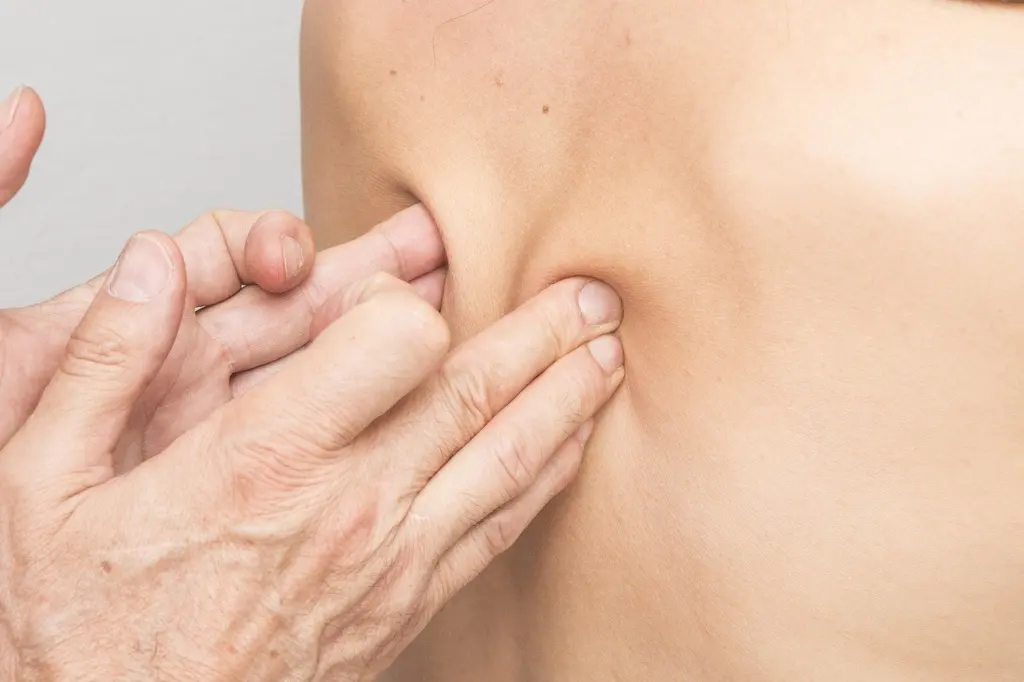
Parker takes a different shape: its certificate offers 600 hours of practical learning in advanced techniques such as myofascial release, neuromuscular therapy and acupressure, as described on its certificate page. The figure is a useful yardstick. A short course that promises deep tissue competence in a small fraction of that practical time deserves questions about how pressure, positioning and client feedback are assessed.
What to look for in a practical unit
- Supervised practice: SOCHI states that practical massage skills are developed through supervised physical practice, so a tutor should be watching and correcting your work.
- Clinic or client exposure: Treating real clients, as in a student clinic, tests technique against varied bodies in a way practising on classmates cannot.
- Named techniques: Look for specific methods, such as myofascial release or neuromuscular therapy, rather than a vague promise of advanced massage.
Online and blended study: what is credible
Online learning suits theory, but it does not replace assessed practice. SOCHI uses a hybrid format that combines online coursework with in-person, hands-on training, and it says massage requires practical skills developed through supervised physical practice. That is the clearest guide to what a credible deep tissue certificate looks like.

Judging an online-only deep tissue certificate
An online-only certificate with no in-person assessment cannot show that you can apply pressure safely, which is the whole point of the qualification. Use online delivery for anatomy, pathology and study of technique, and expect the practical units to be taught and assessed face to face. Accreditation helps with comparison: Parker’s programme is accredited by the Commission on Massage Therapy Accreditation (COMTA). Ask any provider you are considering which body checks its assessment and what the certificate allows you to do.

Advanced techniques beyond deep tissue
Once deep tissue is secure, several routes open. HH’s MT108B moves into clinical practice and specialty applications, SOCHI adds lymph drainage and trigger point therapy to its modality list, and Parker covers neuromuscular therapy and acupressure. Specialist client groups are another direction, for example a pregnancy massage course uk learners can add once their general technique is established.
Choose by the clients you expect to treat. Sports and injury-focused work points towards myofascial release, trigger point and neuromuscular training, while general wellness work may need only a solid deep tissue unit within a broader qualification.
Troubleshooting your course choice
- The page lists no practical hours. Ask for the number of in-person, supervised hours before paying anything.
- Entry requirements are vague. Request them in writing, since providers range from requiring science courses to building directly on their own foundation unit.
- The course is designed for another region. HH’s anatomy courses and Parker’s programme are structured around Texas practice, so confirm that the content suits the rules where you will work.
- Fees are not shown. Request the full cost, including assessment and any clinic or materials charges, and compare it against the hours delivered.
Frequently asked questions
How long does deep tissue training take?
It depends on the programme. SOCHI’s full programme runs 740 hours over 37 weeks, while Parker’s certificate is built around 600 hours of practical learning. HH’s anatomy and physiology Part I alone is 30 hours online.
What is taught alongside technique?
Professional skills sit beside hands-on work. Dakota County Technical College’s MSTH 101 includes medical terminology, ethics, hygiene, safety and SOAP notes, and the course carries 2 credit hours.
Do certification rules change?
Yes. SOCHI notes that certification requirements and regulatory standards can change, so check a programme against the current rules for your jurisdiction before you enrol.
Do I need a foundation diploma first?
Not always, but it is the safest base. Entry rules are set by the individual provider, so read the course page and ask whether your existing qualification is accepted.