What is reflexology? It is a massage technique based on the theory that reflex points in the hands and feet correspond to organs and body systems. It suits relaxation and stress management and works as a complement to medical care, never a replacement.
It sits among the options in massage therapy and spa treatments, and its zone-based approach sets it apart from most other hands-on therapies.
How reflexology is meant to work
Reflexology rests on a theory rather than on a muscle-and-joint explanation. According to the National University of Health Sciences, it is a massage technique built on the idea that reflex points in the hands and feet link to organs and systems elsewhere in the body. The practitioner presses on a point, and the theory says the effect is felt in the corresponding body part. Most sessions concentrate on the feet.

Reflex zones
The areas that practitioners work on are called reflex zones. A chiropractic clinic’s reflexology guide describes them as areas believed to correspond to different organs. The word “believed” matters here. The correspondence is a premise of the practice, not a measured anatomical pathway, and it is best read that way when you decide what to expect.
The foot map
Practitioners organise their work around a foot map. Find a Therapy explains that reflexology is based on maps relating areas of the foot to different parts of the body. The map gives a session its structure: the practitioner moves through the foot area by area rather than rubbing it at random. Modern reflexology developed in the 20th century, when practitioners formalised those maps and treatment routines, so the charts you may see on a clinic wall belong to a fairly recent tradition.
Reflexology compared with a foot massage
Reflexology differs from a general foot massage in its organising principle. A foot massage aims to relax the foot itself. Reflexology treats the foot as a map and directs pressure at specific zones that are said to relate to other parts of the body.
That difference has a practical consequence for booking. If you simply want tired feet to feel better, either treatment may satisfy you. If the zone-based idea interests you, or you want a structured routine, reflexology is the more specific choice. Ask a practitioner which approach they use, because the label alone does not guarantee a particular style.
Reflexology also stands apart from therapies that work through other systems. Lymphatic drainage, for example, has its own rationale, which you can compare in what is lymphatic drainage massage.
What happens in a first session
A first session follows a predictable order, and knowing it makes the appointment easier to settle into. Find a Therapy describes the general pattern, which the stages below follow.
- Consultation. A session usually begins with a short consultation about your wellbeing goals and health history. This is the moment to mention any medical condition or concern, and to say what you hope to get from the treatment, such as better rest or less tension.
- Settling in. You remain clothed, and the practitioner works on your feet. Expect to recline comfortably while they uncover and prepare the feet.
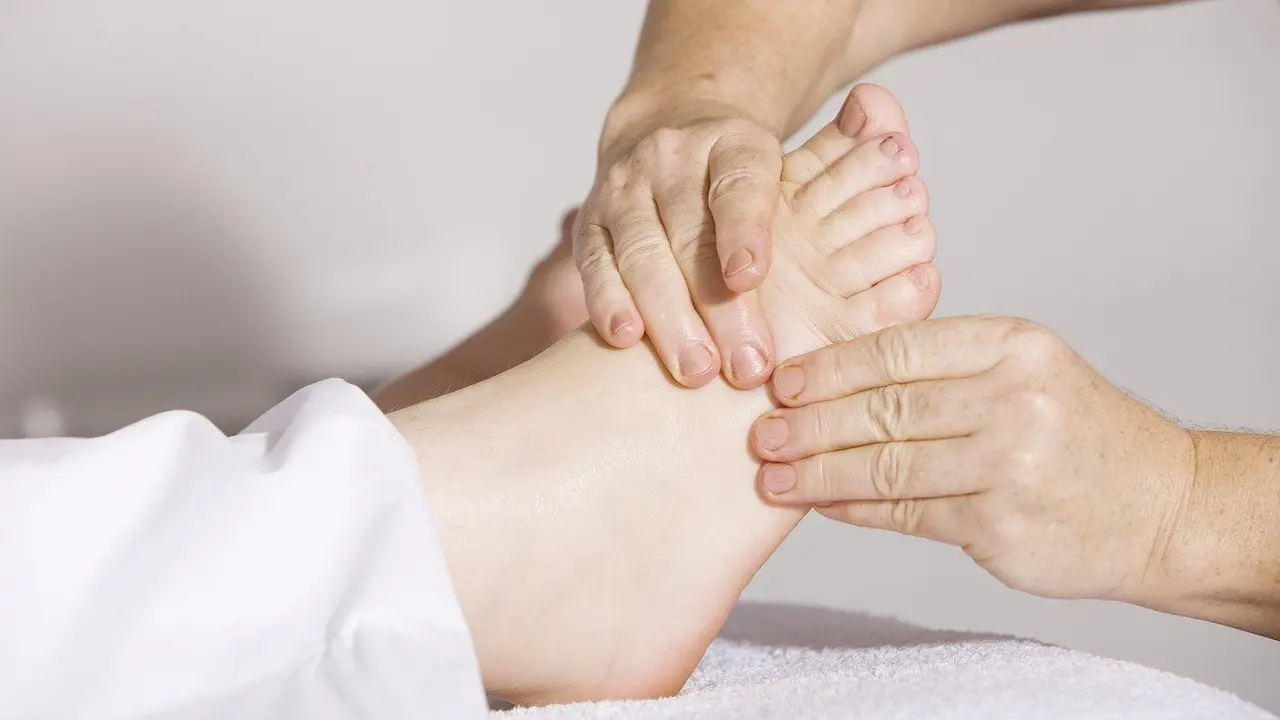
- Working the zones. The practitioner uses thumbs and fingers on the foot, moving over the areas shown on the foot map. The sequence follows the zones rather than a general rub of the whole foot.
- Adjusting pressure. Pressure is firm but comfortable, and you can request adjustments at any time. Speak up if something feels too strong. A good practitioner expects it and will change their approach.
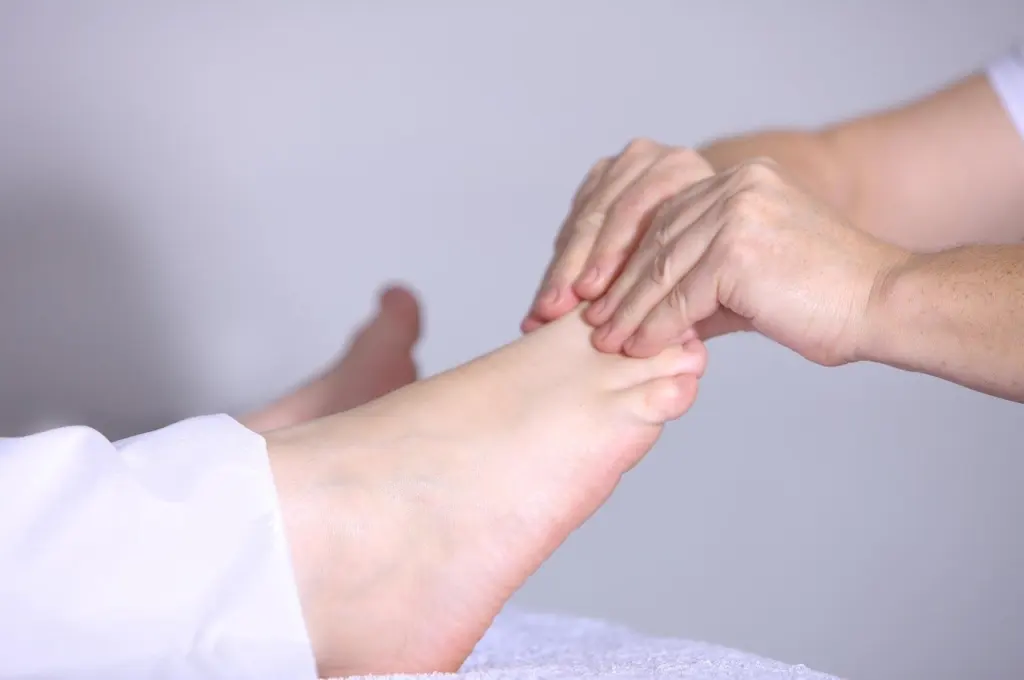
Because the work is concentrated on the feet and you stay clothed, a session is easy to fit into a normal day. There is nothing to prepare beyond arriving with your questions and an accurate account of your health.
What the evidence supports
Evidence for reflexology depends on what is being claimed. Find a Therapy notes that many people use it to unwind, manage stress and support sleep, but that evidence for specific medical claims varies. The sensible reading is to separate the experience of a session from claims that it treats a condition.
| Type of claim | How to read it | Planning use |
|---|---|---|
| Relaxation, stress management, support for sleep | The common reasons people book | A reasonable aim for a first session |
| Specific medical claims | Evidence varies by claim | Treat with caution and do not rely on reflexology alone |
| Reflex zones matching particular organs | A belief that underpins the practice | Understand it as theory, not proof |
| Diagnosis | Reflexology does not diagnose medical conditions | Use a doctor for any diagnosis |
These points draw on Find a Therapy and the clinic guide on reflex zones.
To judge your own experience, focus on clear, measurable goals such as stress levels, sleep quality and overall wellbeing. Noting how you feel before and after a few sessions gives you a more honest answer than a general sense that it was pleasant. A calm, restful hour is a legitimate benefit in itself, but it should not be mistaken for evidence that a specific organ or condition has been treated.
Safety and who should check first
Reflexology is generally low risk, but it should be viewed as a complementary approach and not a substitute for medical diagnosis or treatment, according to Find a Therapy. That framing shapes who should take extra care.
- People with a health condition. Tell the practitioner during the consultation, and check with your doctor beforehand if you are unsure whether the treatment suits you. The health history exists so the practitioner can adapt the session.
- Anyone tempted to delay care. If you have symptoms that worry you, see a doctor first. A pleasant session should never replace a proper assessment.
- People who dislike firm pressure. Say so early. Pressure should be firm but comfortable, and the practitioner can change it.
The sources supplied here do not list specific conditions that rule reflexology out, so the safest course is to share your full history and follow your doctor’s advice where you have any doubt.
Deciding whether to book
Reflexology is a reasonable choice if you want a calm, structured, clothed treatment centred on the feet and you see it as a way to unwind. It is a poor choice if you are hoping it will diagnose or cure a medical problem. Choose a practitioner who is clear about that boundary and who takes a health history before starting.
Set a modest, measurable goal before the first appointment, such as how rested you feel or how well you sleep. If the goal is met, you have a practical reason to return. If it is not, you have lost little and can try a different approach, including other hands-on options within massage therapy and spa treatments.
Frequently asked questions
Is reflexology only done on the feet?
No. The underlying theory covers reflex points in both the hands and feet, though sessions most often concentrate on the feet.
Can a reflexologist diagnose a problem from my feet?
No. Reflexology is a complementary therapy and does not diagnose medical conditions, so a doctor is the right person for any diagnosis.
When did modern reflexology develop?
Modern reflexology developed in the 20th century, as practitioners formalised the foot maps and treatment routines still used today.