| Treatment | What it involves (as described) | Session length in listings | Planning use |
|---|---|---|---|
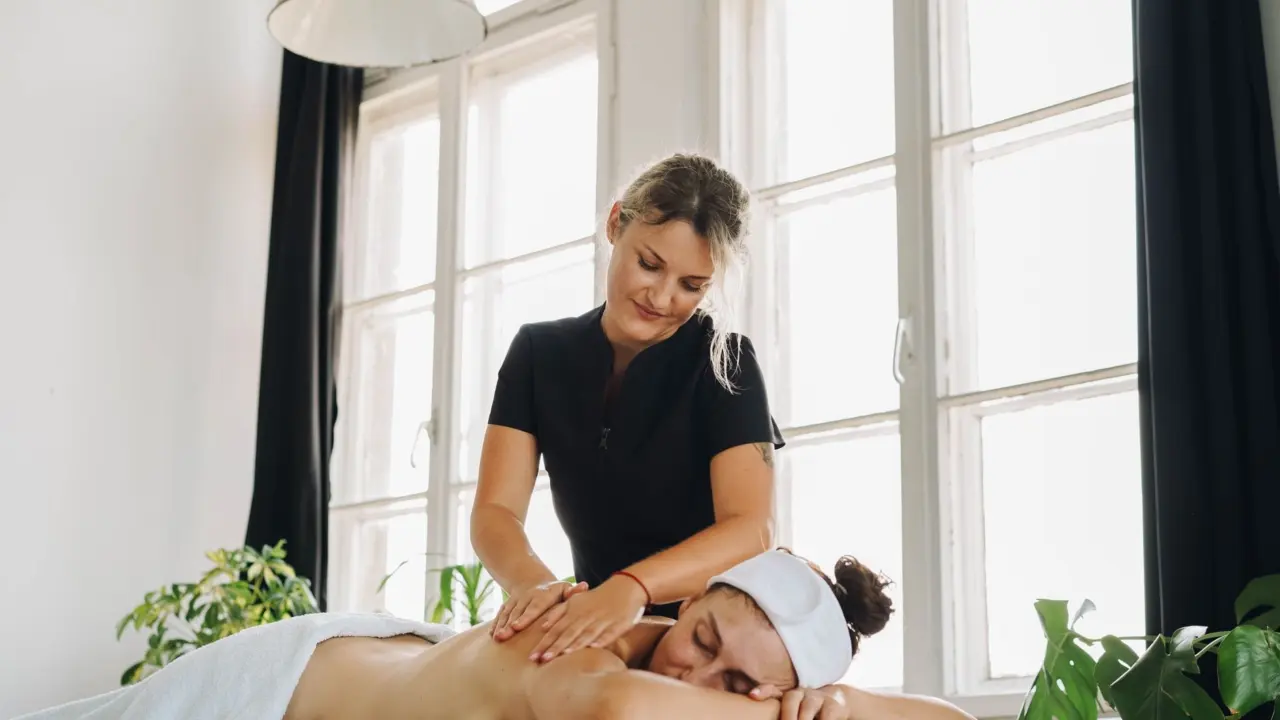
| Swedish massage | Long gliding strokes, kneading and gentle stretching | Not stated on the menu; confirm when booking | A sensible first treatment if you want an all-round session without concentrated pressure |
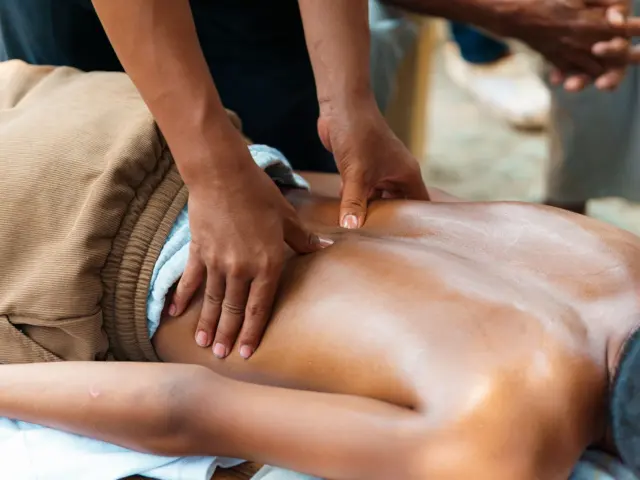
| Deep tissue massage | Slow, deliberate strokes and concentrated pressure aimed at deeper layers of muscle and fascia | 1 hr 15 min in a Spartanburg listing | Suits persistent tightness in a defined area; speak up the moment pressure becomes too much |
| Tension relief massage | A session built around muscle tension | 1 hr 15 min in a Spartanburg listing | Choose when stiffness is general rather than confined to one spot |
| Prenatal massage | Focus on the lower back, hips and legs, which are stressed during pregnancy | 1 hr in a Spartanburg listing | Book only with a therapist who offers prenatal work, after checking with your midwife or GP |
| Hot oil scalp massage | Scalp massage using heated oil | 1 hr in a Spartanburg listing | A focused option when head and scalp tension is the main complaint |
| Lymphatic massage | Gentle, rhythmic strokes focused on lymph nodes and vessels in the neck, armpits and groin | Not stated on the menu; confirm when booking | A specialist treatment; ask about the therapist’s training before booking |
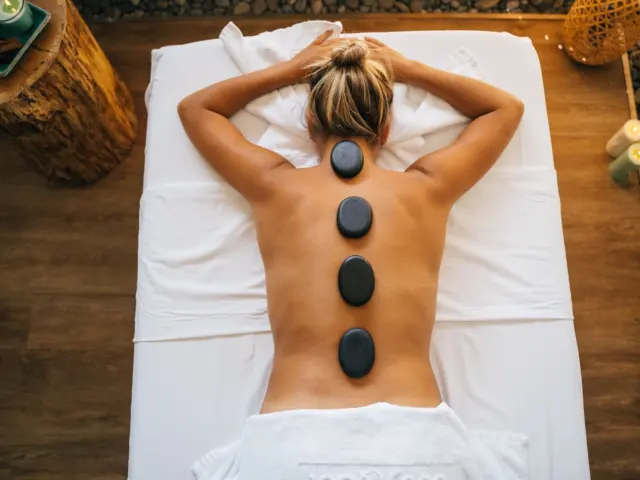
| Hot stone massage | Offered by spas alongside Swedish and deep tissue techniques | Varies by venue; confirm when booking | A spa-style option when the setting and warmth matter as much as the technique |
Treatment descriptions come from a Corpus Christi spa’s massage menu and durations from a Spartanburg booking-marketplace listing; both are US examples, so treat the lengths as a guide and confirm London details with the venue.
Massage therapy and spa treatments range from gliding Swedish strokes to concentrated deep tissue work, heated stones and lymph-focused routines. Choose by purpose and pressure first, then session length, and tell the therapist about any health condition or pregnancy.
If you are still comparing styles side by side, the guide to types of massage sets them out on common criteria. The sections below help you decide where to start, then go deeper on the choices that cause the most confusion.
Choosing where to start
The easiest way to choose a treatment is to name the problem you want to solve before you look at a menu. Menus are organised by technique, but most people arrive with a purpose: they feel tense, they are sore in one place, they want a break, or they are pregnant. Matching the purpose to the technique avoids paying for a treatment that does not fit.
If you want a general, relaxing treatment
Swedish massage is the usual starting point. It is described as long, gliding strokes with kneading and gentle stretching, which makes it the most approachable style on most menus. If you have never had a professional massage, it gives you a reference point for how pressure feels before you try anything more intense. The page that answers what is swedish massage covers the style in more depth.
If one area is tight or sore
When the problem is a specific shoulder, back or leg, a technique that works in a targeted way suits better than a whole-body routine. Deep tissue is built around concentrated pressure on deeper muscle and fascia, and sports-oriented sessions concentrate on the muscles you use. Trigger point and myofascial approaches go further in working on individual tight spots; the guide to trigger point massage explains how those sessions differ from broader deep work.
If you want a spa experience
Spa treatments combine hands-on work with a setting: warmth, scent, towels and time to unwind. Hot stone sessions, aromatherapy and facilities such as saunas and steam rooms belong here. These suit someone who values the whole visit more than a precise physical outcome.
Decision shortcuts
- New to massage: start with Swedish and ask the therapist to keep the pressure light at first.
- Persistent tightness: consider deep tissue or a tension-focused session, and book a longer slot so the therapist is not rushing.
- Pregnant: look specifically for prenatal massage rather than adapting a standard menu item yourself.
- Treat or occasion: pick a spa-style treatment, and check whether facility access is included in the price.
- Unsure: ask the venue which treatment they would recommend for your stated purpose and why.
Swedish and deep tissue massage compared
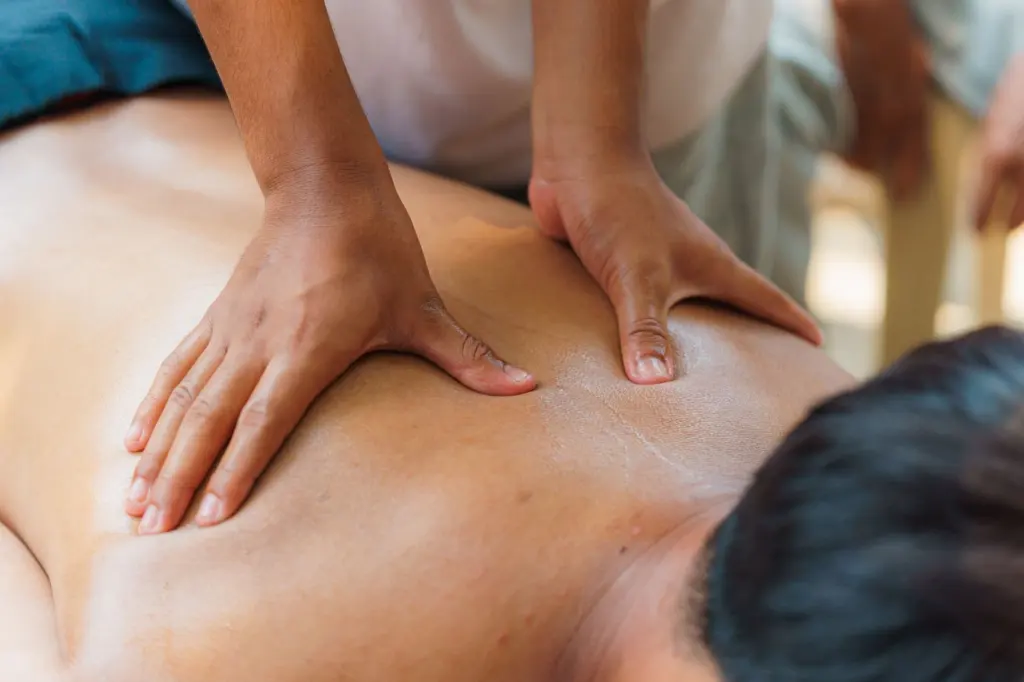
Swedish and deep tissue massage differ mainly in stroke speed and pressure. Swedish uses long gliding strokes, kneading and gentle stretching; deep tissue uses slow, deliberate strokes and concentrated pressure designed to reach deeper layers of muscle and fascia, according to a spa treatment menu.
What Swedish massage feels like
Swedish work is continuous and flowing. The strokes travel across large areas, the kneading moves muscle between the therapist’s hands, and the stretching is gentle rather than forceful. Because it covers the whole body in a rhythm, it tends to suit people who want to feel looked after rather than worked on. It is a sensible default when you cannot say precisely where the tension sits.
What deep tissue massage feels like
Deep tissue is slower and more concentrated. Rather than gliding across the whole back, the therapist lingers on an area and applies sustained pressure. Concentrated pressure can feel intense, and that is where many first-timers go wrong: they assume more pressure always means more benefit and stay silent through discomfort. The better approach is to agree a comfortable level at the start and adjust as the session goes on. A Spartanburg marketplace listing for a deep tissue recovery session shows a price of USD 125 for 1 hr 15 min, a reminder that targeted work is often sold in longer, higher-priced slots than a basic relaxation treatment.
Choosing between them
Choose Swedish when you want to unwind and have no specific problem area. Choose deep tissue when the same spot keeps tightening and you are comfortable with firm, focused work. If you are unsure, book Swedish first and ask the therapist to spend longer on the area that bothers you; this gives you a gentler test of whether you want more pressure next time. The dedicated comparison of swedish vs deep tissue massage goes through the differences in more detail, and the guide to what is deep tissue massage covers who the style suits.
Deep tissue is also not the right answer to every kind of discomfort. If pain is sharp, follows an injury or arrives with other symptoms, speak to your GP before booking, because massage is not a substitute for a diagnosis.
Treatments for stress and muscle tension
Stress and muscle tension often arrive together, but the treatments that suit them differ. For stress, the setting and the pace of the treatment matter most; for tension, the technique and the target area matter more.
Treatments that suit stress
If the main complaint is feeling wound up, prefer slower, flowing work in a quiet room. Swedish massage fits this, as does a scalp treatment: a Spartanburg listing shows a hot oil scalp massage at USD 20 for 1 hr, which suggests how a narrowly focused treatment can be offered at a modest price. Heat-based spa treatments and facilities can also suit a stress-led visit. The guide to massage for stress relief looks at this in more depth, and the overview of the benefits of massage therapy sets expectations about what a session can and cannot do.
Treatments that suit muscle tension
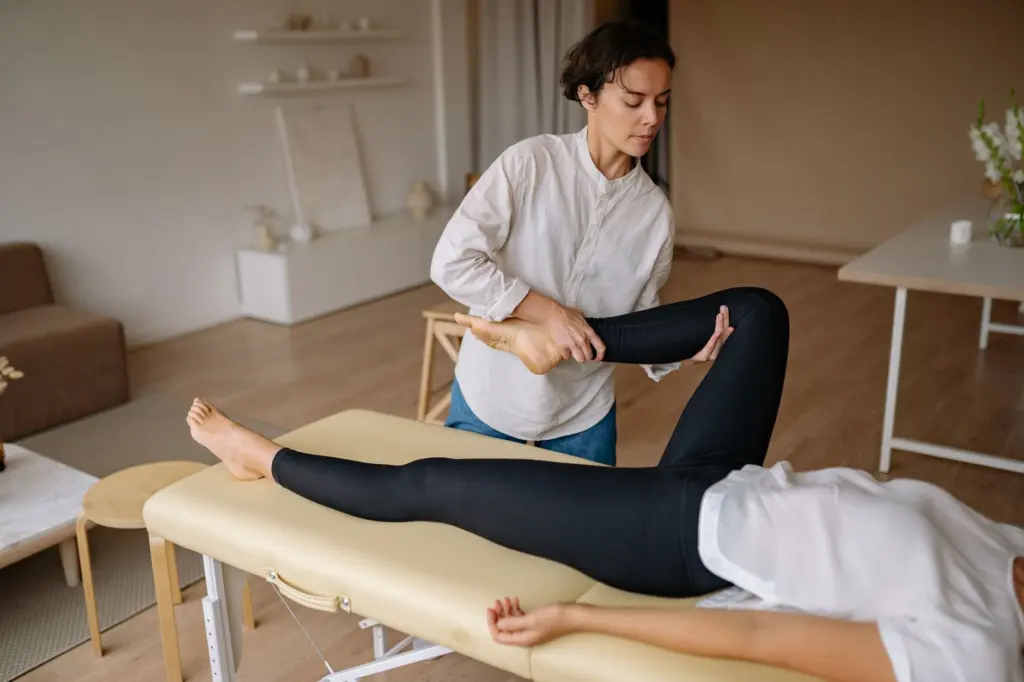
Tension in the neck, shoulders and back responds to firmer, more targeted work. Marketplace listings show how this is sold: an Ultimate Tension Relief Massage at USD 75 for 1 hr 15 min in Spartanburg, and a therapeutic massage at USD 85 for 1 hr 15 min in rural Pennsylvania. Both are US prices and not a guide to what London venues charge, but they show a consistent pattern: tension-focused treatments are typically booked as longer sessions than quick add-ons, because the therapist needs time to work on specific areas.
Head and neck tension
Tension that shows up as head discomfort needs a careful approach. Massage of the neck, shoulders and scalp is a common request, and the guide to massage for headaches covers when it is a reasonable thing to try. If headaches are new, severe or frequent, see your GP first rather than treating them as a massage problem.
Sports-style work
If your tension comes from training, a sports-oriented session concentrates on the muscles you use most. The explainer on what is sports massage describes how those sessions are structured and who they suit, and it is a better fit than a relaxation treatment when recovery is the goal.
Session lengths and price patterns
Session length varies by treatment and by venue, and listings usually offer more than one option. A rural Pennsylvania marketplace listing shows hot stone massage from USD 45 with a range from 30 min to 1 hr 30 min, so the duration is often chosen at booking rather than fixed by the treatment.
Other listings cluster around 1 hr to 1 hr 15 min: prenatal massage at 1 hr, and tension, therapeutic and deep tissue sessions at 1 hr 15 min. That makes sense in practice. A treatment aimed at a problem area needs time to warm up the muscle and then work on it, whereas a short session suits a narrow aim such as the scalp or shoulders.
Use durations as a decision tool. If you want a full-body treatment, avoid the shortest slot, because a rushed session leaves little time for anything beyond the basics. If you are trying a style for the first time, a mid-length slot gives you enough time to judge it without committing to the longest option. The listings quoted here are American, so treat the figures as examples of structure and not as London prices; the venue’s own price list is the only reliable guide to what you will pay in London.
Pregnancy massage
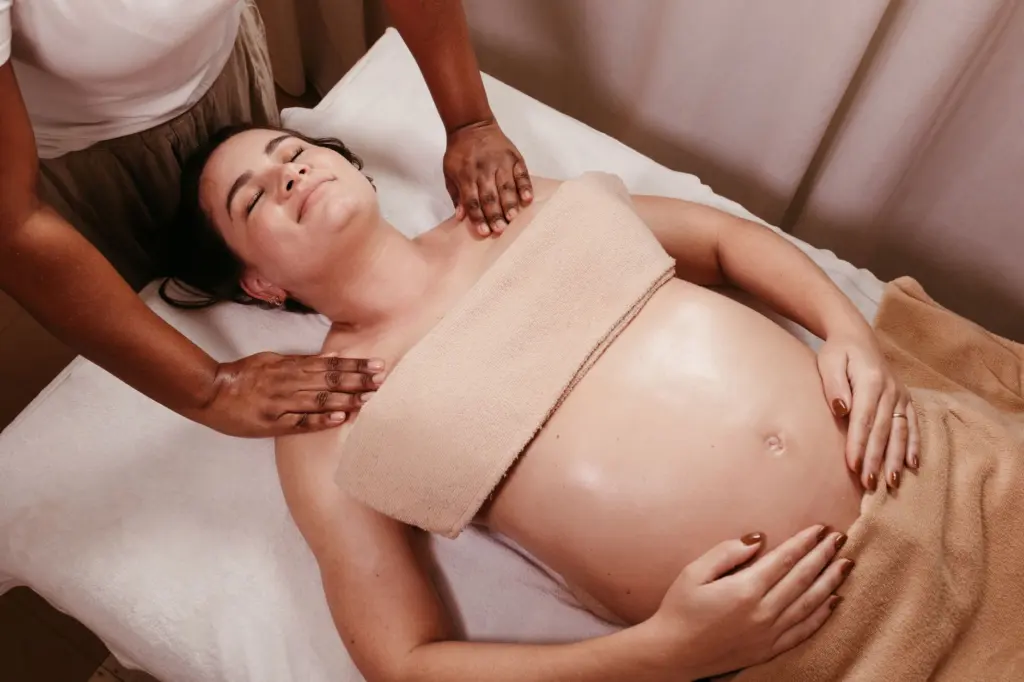
Whether massage is safe during pregnancy depends on your own pregnancy and on the therapist’s training, so the first step is to check with your midwife or GP. Prenatal massage exists as a distinct treatment: one spa menu describes prenatal massage as focusing on areas stressed during pregnancy, such as the lower back, hips and legs.
Why a dedicated treatment matters
A prenatal session is planned around a pregnant body, so it is the sensible choice over a standard menu item. The focus on the lower back, hips and legs reflects where many people feel strain, and positioning and support are arranged accordingly. Do not simply book a deep tissue or hot stone session and mention your pregnancy at the door.
What to do before booking
- Ask your midwife or GP: especially if your pregnancy has any complications or you are unsure whether massage is advisable for you.
- Say you are pregnant when booking: do not wait until the appointment, so the venue can assign someone who offers prenatal massage.
- Ask about positioning: a therapist experienced in this work will explain how you will be supported and covered.
- Speak up during the session: any discomfort, dizziness or pain is a reason to stop and adjust.
The full pregnancy massage guide goes through these points step by step, including what to ask a therapist.
Spa-style treatments and facilities
Spa treatments differ from clinic massage in how much the environment forms part of the product. Heat, scent and atmosphere are part of what you are paying for, so judge them by the whole visit and not only the technique.
Hot stone massage
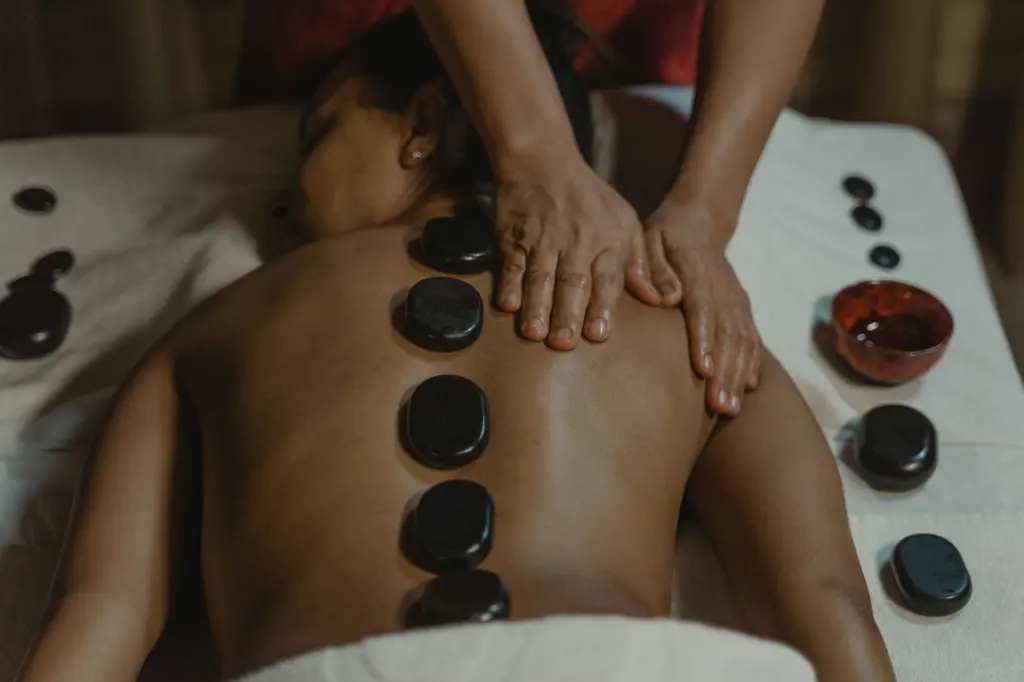
Hot stone massage is a staple of spa menus, offered alongside Swedish and deep tissue techniques at the spa whose menu is quoted above. Smooth stones are laid on the body, and the therapist may also work with them. It suits someone who wants warmth built into the treatment and is not looking for firm, targeted pressure. The page on what is hot stone massage covers the technique and who it suits.
Heat facilities
Many spas pair treatments with a sauna, steam room or hot tub, and these affect both the price and how long you will spend on site. Whether you prefer dry heat or humid heat is a matter of comfort, and the comparison of sauna vs steam room sets out how they differ. If you have a heart condition, are pregnant or feel unwell, check with your GP before using heat facilities, because heat affects people differently.
Couples sessions
A couples massage lets two people have treatments side by side in the same room. It suits an occasion more than a therapeutic aim, since you cannot easily adjust pressure and conversation as you would in a private session. The guide that answers what is a couples massage explains how these bookings work and how to choose a treatment that suits both people.
Other bodywork styles worth knowing
Beyond the mainstream menu, several styles take a different approach. They are worth knowing about because the names appear in spa listings and the techniques are not interchangeable.
Thai massage
Thai massage combines pressure with stretching and is usually done in loose clothing and not on oiled skin. It is a good match for people who like an active, movement-based session. The explainer on what is thai massage covers what to wear and what to expect.
Shiatsu
Shiatsu is a pressure-based Japanese approach and is also done clothed. If it is unfamiliar, the page on what is shiatsu massage explains the method and how it differs from oil-based treatments.
Reflexology
Reflexology concentrates on the feet and works from the idea that areas of the foot relate to other parts of the body. It suits someone who wants to stay clothed and prefers a lighter, contained treatment. The guide on what is reflexology sets out the approach and its limits.
Lymphatic drainage massage
Lymphatic massage is a specialist treatment with a very different feel from deep tissue. A spa menu describes it as gentle, rhythmic strokes focused on the lymph nodes and vessels in the neck, armpits and groin. Because the touch is light, do not expect firm pressure. Check the therapist’s training and talk to your GP if you are seeking it for a medical reason. The page on what is lymphatic drainage massage covers it in more depth.
Ashiatsu
Ashiatsu is one of the less common options. The same menu describes therapists using their feet to deliver deep, broad strokes. It suits someone who wants broad, firm pressure and is comfortable with an unusual technique; ask the venue how the therapist is supported and trained before booking.
Massage oils and aromatherapy
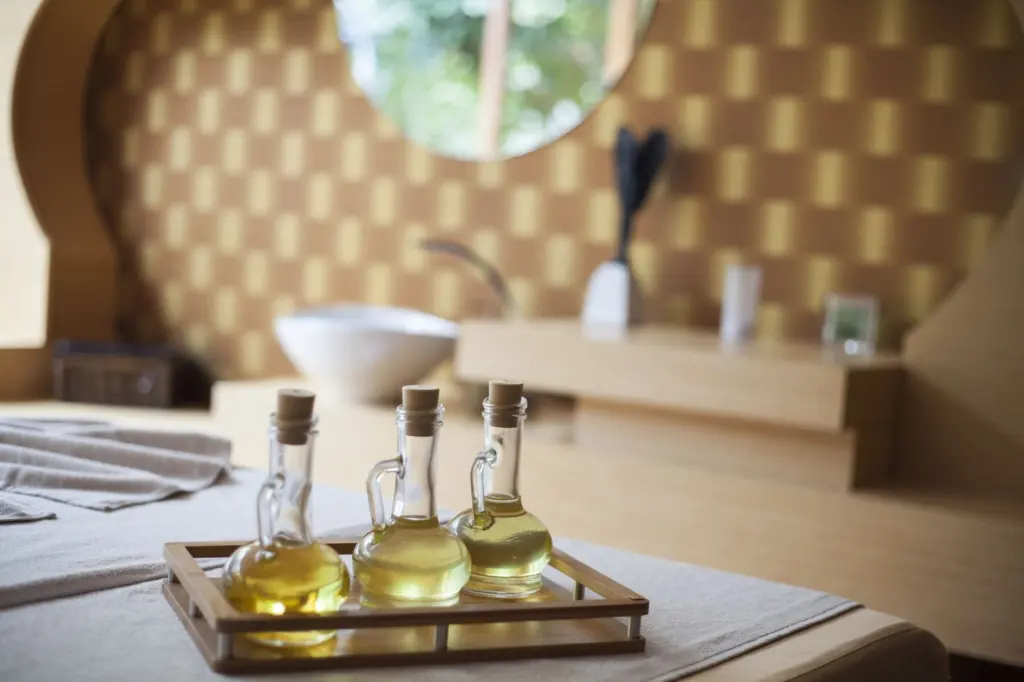
Oils reduce friction so the therapist’s hands can glide, which is why they matter most in styles built on long strokes such as Swedish. In clothed styles such as Thai massage and shiatsu, oil plays no part. If you are choosing a product to use at home, the guide to the best oil for massage compares options on feel and suitability.
Allergies and sensitive skin
Tell the therapist about allergies, including nut allergies, and about sensitive skin before the session starts. Good practice is to ask which oil will be used and to request a fragrance-free option if scent bothers you. If you react to a product, say so straight away and ask for it to be removed.
Aromatherapy in spa treatments
Aromatherapy adds essential oils to the setting or to the treatment itself, through a diffuser, a burner or blended into the massage oil. It contributes to the atmosphere more than to the physical technique, so choose it if scent is part of what you enjoy. If you are pregnant, have asthma or are sensitive to fragrance, ask the venue what is used before you book, and say if you would prefer unscented treatment.
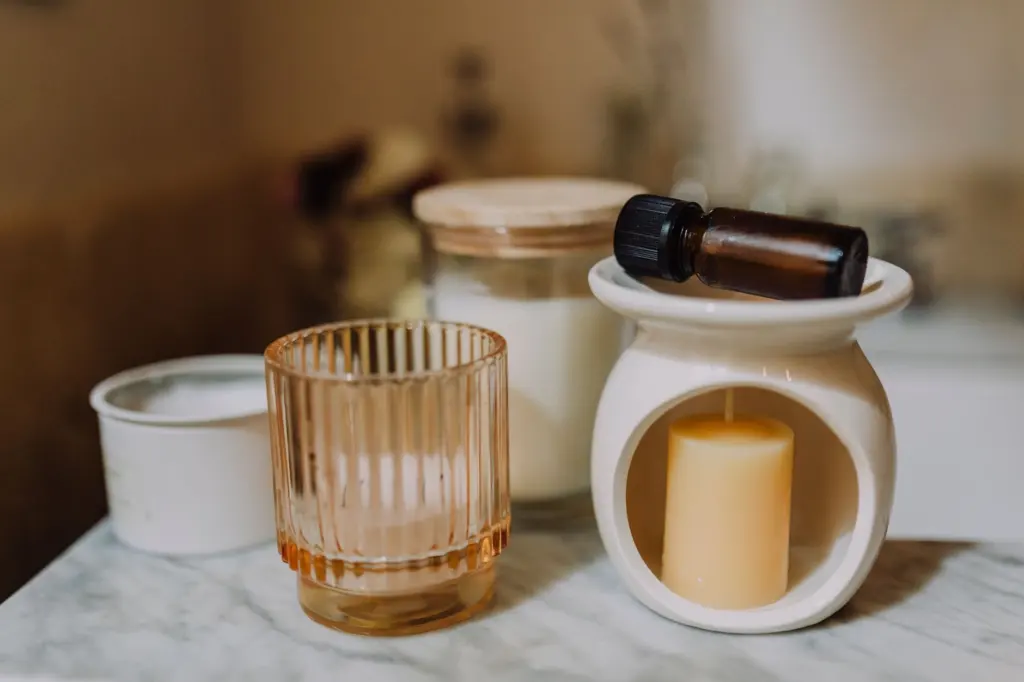
Hot oil treatments sit between oils and heat. The Spartanburg scalp massage mentioned earlier is one example, where the oil is warmed and used on a small area, which makes it a low-commitment way to try the idea.
Before you book: safety and fit
Safe massage starts before you lie down. Most problems come from a mismatch between the treatment and the person, not from the technique itself, and a few habits prevent most of them.
- Fill in the intake form honestly. Include medical conditions, injuries, medication, allergies and pregnancy.
- Name your purpose. Tell the therapist whether you want to relax or work on a specific area, so they can choose the technique.
- Agree on pressure. Ask for a starting level and say if it is too light or too firm.
- Check the therapist’s credentials. Ask about training and professional body membership, particularly for specialist work such as lymphatic massage or prenatal treatment.
- Speak up during the session. You can ask for a change of pressure, position or oil, or stop altogether.
Who should check first
Speak to your GP before booking if you have a health condition, a recent injury, unexplained pain or symptoms that worry you, and speak to your midwife or GP if you are pregnant. Massage can complement care but does not replace it. A good therapist will also tell you if a treatment is unsuitable on the day, for example if you are unwell, and postponing is the right response.
Setting expectations
Massage is a comfort and relaxation treatment with possible wider benefits, and the guide to the benefits of massage therapy is the place to weigh them against the risks. A single session is unlikely to resolve a long-standing problem, so decide in advance whether you want a one-off treat or a series, and judge the result by how you feel afterwards.
Frequently asked questions
What is the difference between Swedish and deep tissue massage?
Swedish massage uses long gliding strokes, kneading and gentle stretching. Deep tissue uses slow, deliberate strokes and concentrated pressure to reach deeper layers of muscle and fascia. Swedish suits general relaxation; deep tissue suits persistent tightness in a specific area.
Which massage and spa treatments suit stress and muscle tension?
For stress, choose slower, flowing treatments such as Swedish massage, a scalp treatment or a spa visit. For muscle tension, choose a tension-focused, therapeutic or deep tissue session, and book enough time for the therapist to work on the area.
Is massage safe during pregnancy?
It depends on your pregnancy, so check with your midwife or GP first. If you go ahead, book a dedicated prenatal massage with a therapist who offers it, tell the venue you are pregnant when booking and speak up if anything feels uncomfortable.
How long does a massage session usually last?
Listings vary. Examples include 1 hr for prenatal and scalp treatments, 1 hr 15 min for tension and deep tissue sessions, and a range from 30 min to 1 hr 30 min for hot stone massage. Confirm the length and price with your venue.
Do I need to tell the therapist about allergies?
Yes. Mention allergies and sensitive skin when booking and again at the start, so the therapist can choose a suitable oil and avoid fragrance if needed.