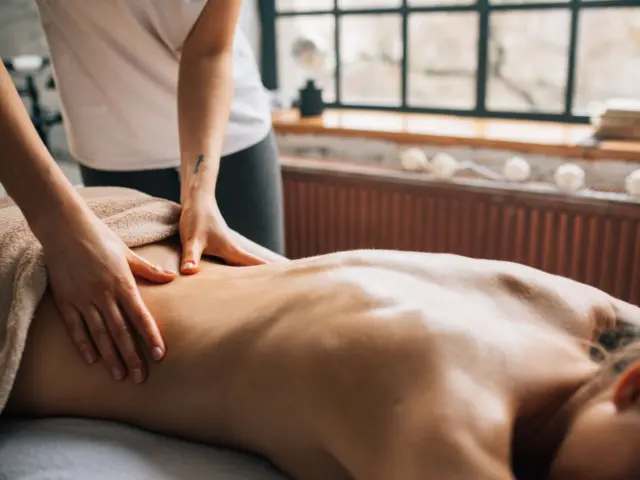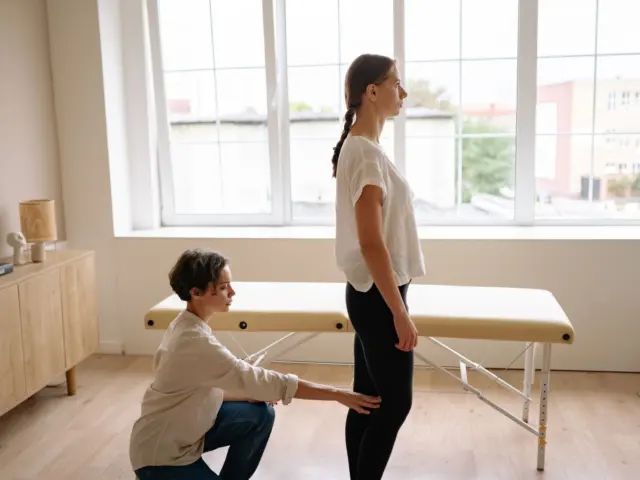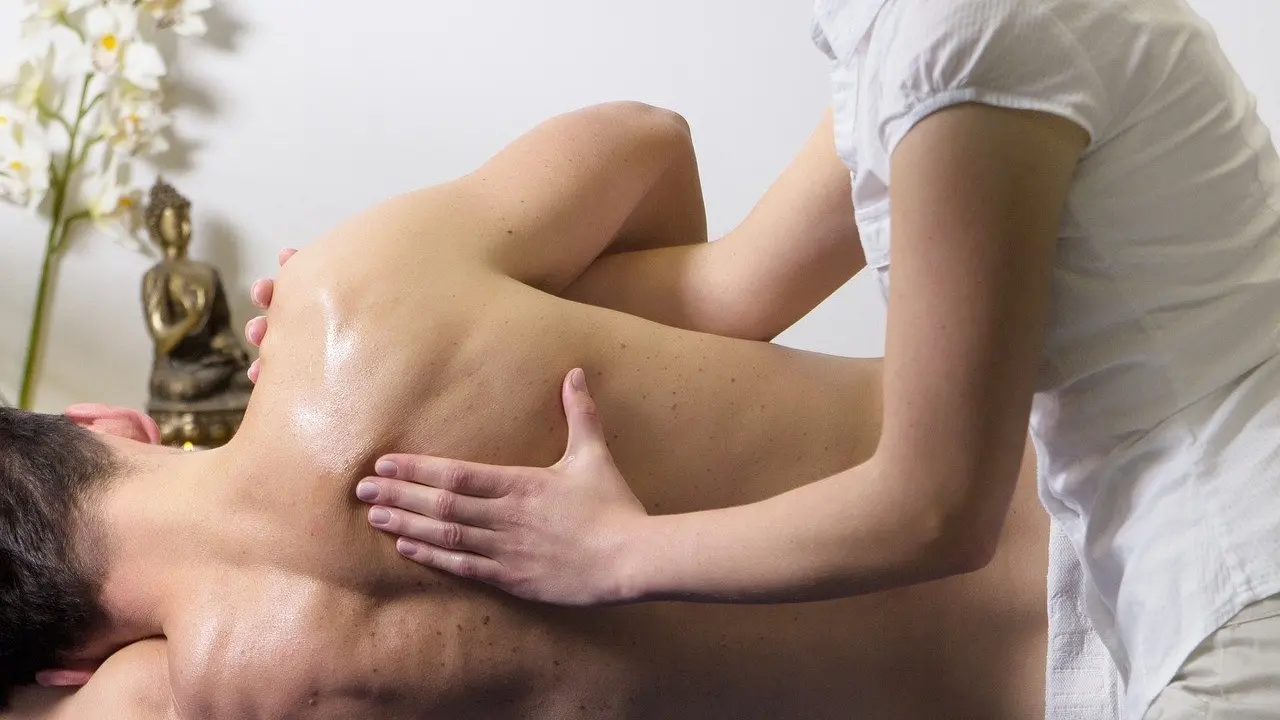
The main types of massage differ by pressure and purpose. Swedish is the usual starting point for first-timers, deep tissue suits people who want firmer work, and sports massage suits active people. None of them is ranked above the others.
This guide compares the common styles on pressure, purpose, typical session length and who should check first, then ends with a pick-by-goal list. For the wider picture of treatments on offer, see massage therapy and spa treatments.
How to compare massage types
Four criteria separate the common types of massage therapy: pressure, purpose, session length and suitability. Pressure runs from the long, flowing strokes of Swedish massage to the slow, firm work of deep tissue. Purpose runs from general relaxation to athletic recovery or point-based bodywork. Session lengths below are typical ranges, and individual practitioners set their own.
Swedish massage is the most common type of massage. Most massage therapists are initially trained in relaxation and deep tissue by default, so those two are the easiest to find. The items below run from the most familiar style to the more specialised ones. That is an order of familiarity, not a quality ranking.
The main types of massage, one by one
Swedish massage
Swedish massage is the most widely practised type of massage in the world, according to Northwest Career College. The therapist uses pressure, friction and long strokes to loosen tight muscles, and a whole-body session usually runs about 50-75 minutes, as Chipperfield Physiotherapy describes.
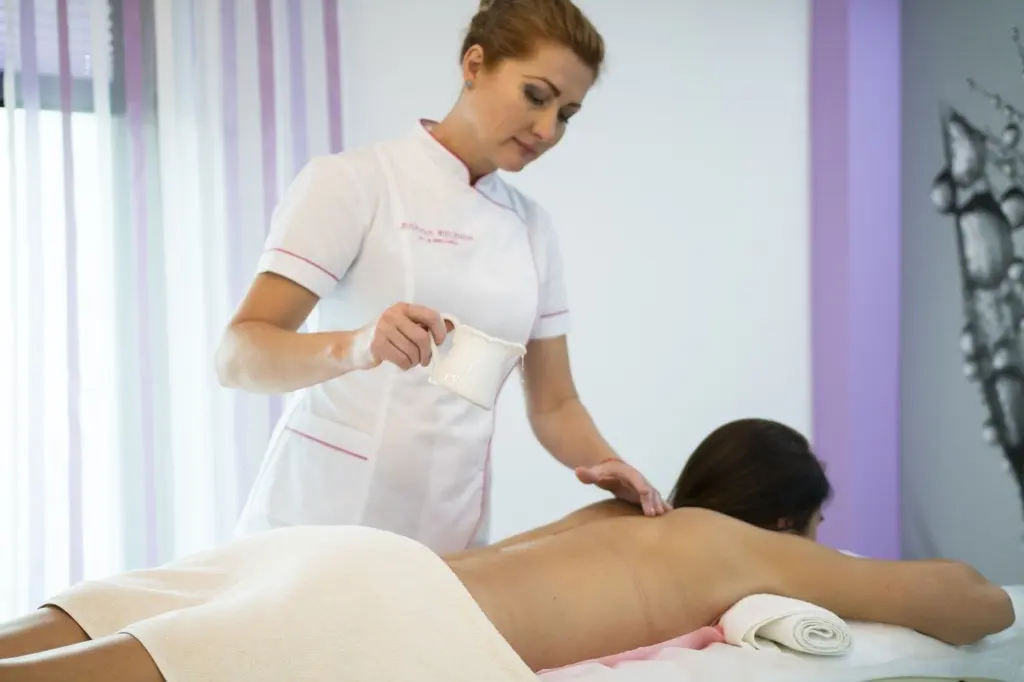
- Suits: first-time clients and anyone who wants general relaxation without strong pressure.
- Limits: the pressure is lighter than deep tissue, so a person who wants stubborn knots worked firmly may find it too gentle.
Deep tissue massage
Deep tissue massage applies slow, firm pressure to the deepest layers of the muscles and connective tissues. Compared with a standard massage, it uses more pressure. A whole-body session usually takes about 50-90 minutes, according to Chipperfield Physiotherapy.
- Suits: people who want firmer, slower work on tight muscles and are happy to tell the therapist when the pressure is too much.
- Limits: it is more forceful than Swedish, so it is a poor match for someone who simply wants a light, soothing hour.
Sports massage
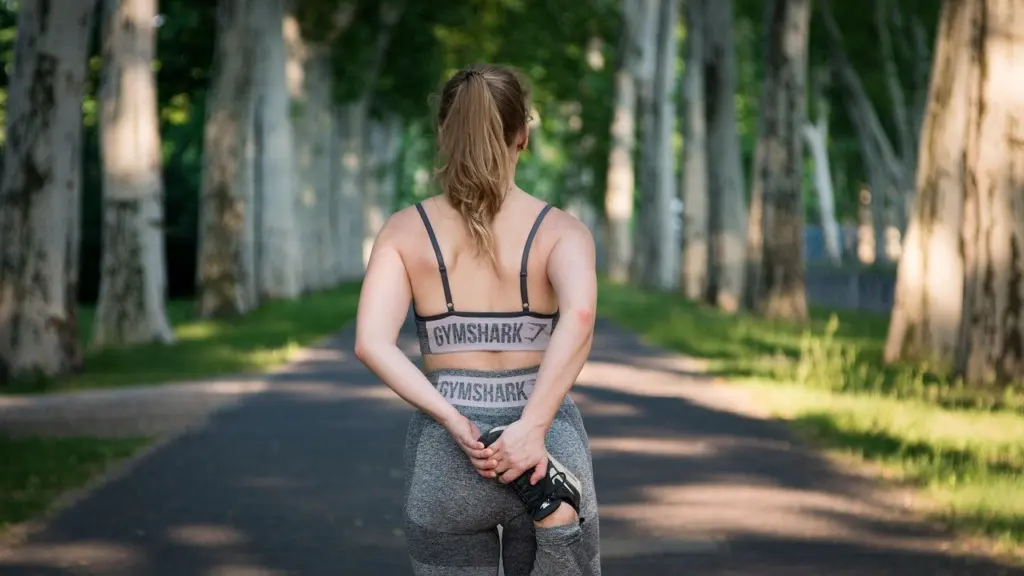
Sports massage is a form of deep-tissue massage designed to help athletes recover from injuries. Unlike deep tissue massage, the therapist may incorporate stretching. A whole-body session usually runs about 30-75 minutes, per Chipperfield Physiotherapy, a wide range that depends on how much stretching and targeted work is included.
- Suits: people who train regularly and want muscle work combined with stretching.
- Limits: it is built around athletic recovery, so someone after pure relaxation is better served by Swedish.
Hot stone massage
Hot stone massage involves placing heated stones (typically basalt river rocks) on the body. The stones are volcanic rock that retains heat. The heat allows the therapist to reach deeper muscle layers without excessive pressure.
- Suits: people who enjoy warmth and want depth without firm forearms or elbows.
- Limits: because the stones are heated, mention any burns or open wounds beforehand. Both appear on the avoid list below.
Shiatsu
Shiatsu is a form of acupressure bodywork from Japan. The practitioner uses fingers, thumbs and palms to apply pressure to specific points on the body.
- Suits: people who prefer targeted point pressure to long gliding strokes.
- Limits: the feel is focused rather than flowing, so anyone expecting a classic full-body relaxation massage may find Swedish closer to what they want.
Thai massage
Thai massage combines acupressure, stretching and energy work to promote healing. Unlike table-based styles, clients lie on the floor and participate more actively in assisted stretches.
- Suits: people who want stretching built into the session and are comfortable moving with the therapist.
- Limits: it is less passive than other styles, so choose Swedish if you would rather lie still.
Side-by-side comparison
| Type | Pressure and approach | Typical whole-body session | Planning use |
|---|---|---|---|
| Swedish massage | Pressure, friction and long strokes to loosen tight muscles | About 50-75 minutes | Default choice for a first visit or general relaxation |
| Deep tissue massage | Slow, firm pressure to the deepest muscle and connective tissue layers | About 50-90 minutes | Book when you want firmer work and can give feedback on pressure |
| Sports massage | Deep-tissue based; may incorporate stretching | About 30-75 minutes | Suits regular training and recovery |
| Hot stone massage | Heated stones, typically basalt river rocks, placed on the body | Confirm when booking | Choose for warmth; mention burns or wounds |
| Shiatsu | Acupressure on specific points with fingers, thumbs and palms | Confirm when booking | Choose for focused point work rather than gliding strokes |
| Thai massage | Client on the floor, actively participating in assisted stretches | Confirm when booking | Choose when you want stretching included |
Session lengths come from Chipperfield Physiotherapy, and the descriptions of each approach follow Cortiva’s guide to massage modalities.
Choosing a massage for back pain
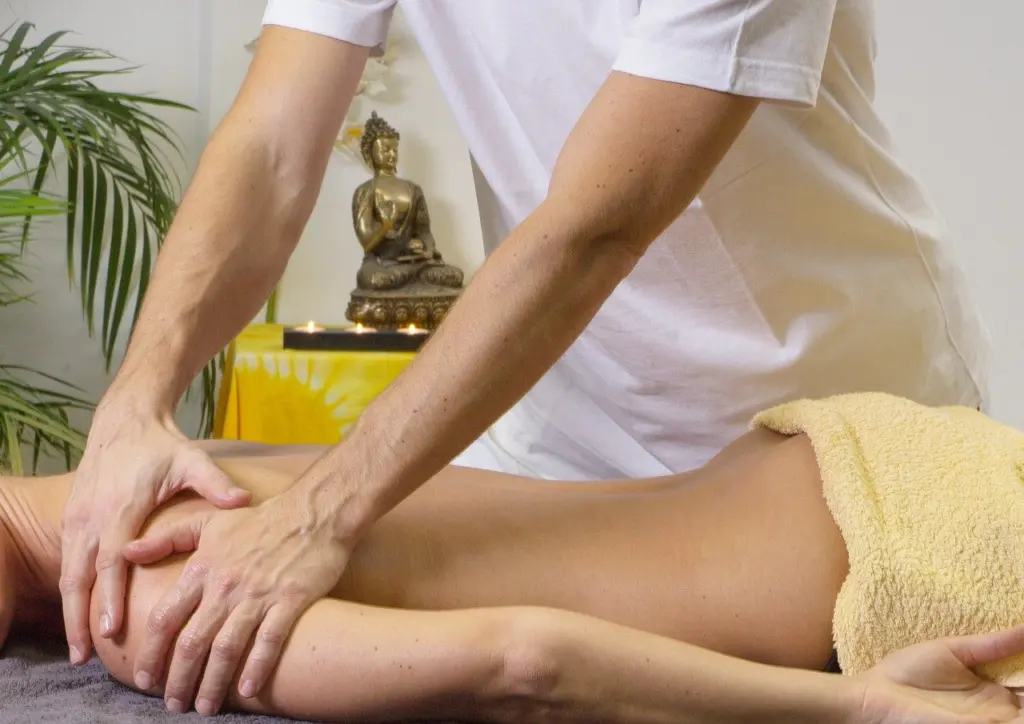
Chronic pain is among the conditions that might benefit from massage therapy. For tight back muscles, deep tissue is the sensible first choice because it works on the deepest muscle layers. Swedish is the gentler alternative if firm pressure aggravates the area.
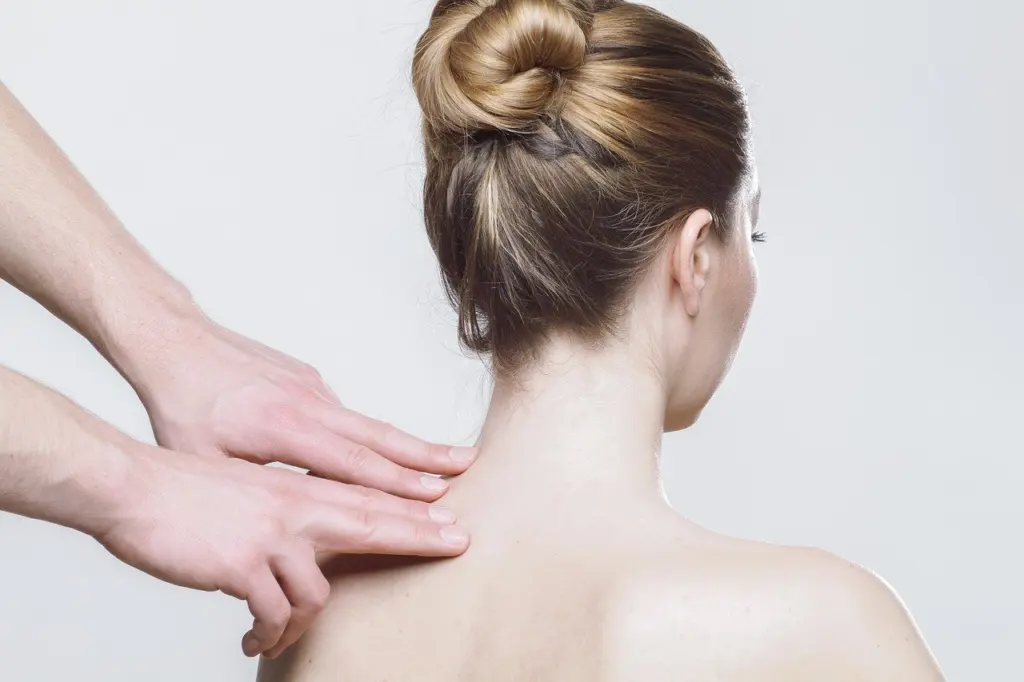
Treatments with a medical focus are often shorter, around 15 to 30 minutes at a time. A short, targeted booking can therefore make sense for one sore area, while a whole-body session suits widespread tension.
Who should avoid massage or check first
These cautions apply to massage in general rather than to one style. Postpone or get medical clearance in these situations, according to Prisma Health:
- Active infection or fever: avoid massage until it has passed.
- Blood clots or a history of DVT: avoid without clearance.
- Open wounds or burns: avoid massage over the affected area.
- Uncontrolled high blood pressure: avoid massage.
- Certain high-risk pregnancies: medical clearance is needed first.
If you are recovering from an injury, tell the therapist before the session starts so the style and pressure can be chosen accordingly. Seek medical advice first if you are unsure.
Pick by goal
- First massage or general relaxation: Swedish massage.
- Firm work on tight muscles: deep tissue massage.
- Training and recovery: sports massage.
- Warmth and depth without hard pressure: hot stone massage.
- Targeted point pressure: shiatsu.
- Stretching included: Thai massage.
- Stress as the main reason: read massage for stress relief before booking.
- Something outside the muscle-focused styles: lymphatic drainage is a separate technique, and what is lymphatic drainage massage explains how it works.
Frequently asked questions
Should deep tissue massage hurt?
It should not. Deep tissue massage should never be extremely painful, so ask the therapist to ease off if the pressure becomes more than firm.
How often should I book if I have chronic back pain?
For chronic pain, sessions every two to four weeks tend to be most beneficial, according to Prisma Health.
How many types of massage are there?
Many more than appear here. The American Massage Therapy Association lists more than 65 different types of massage and bodywork, as reported by Cortiva. The styles above are the ones most clients meet first.
Is pregnancy massage a separate type?
It is closest to Swedish massage. Pregnancy massage is most closely related to Swedish massage with some variations to body positioning.