Booked a spa day and wondering what is Swedish massage? It is a relaxation-focused massage that uses long gliding strokes and circular motions, with pressure you can set anywhere from light to firm.
It is the baseline style behind much of massage therapy and spa treatments, so understanding its strokes helps you choose, book and speak up during any session.
What Swedish massage is, and what people get wrong
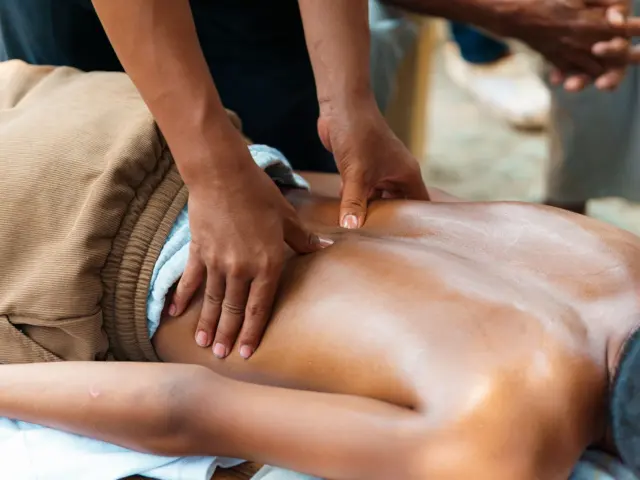
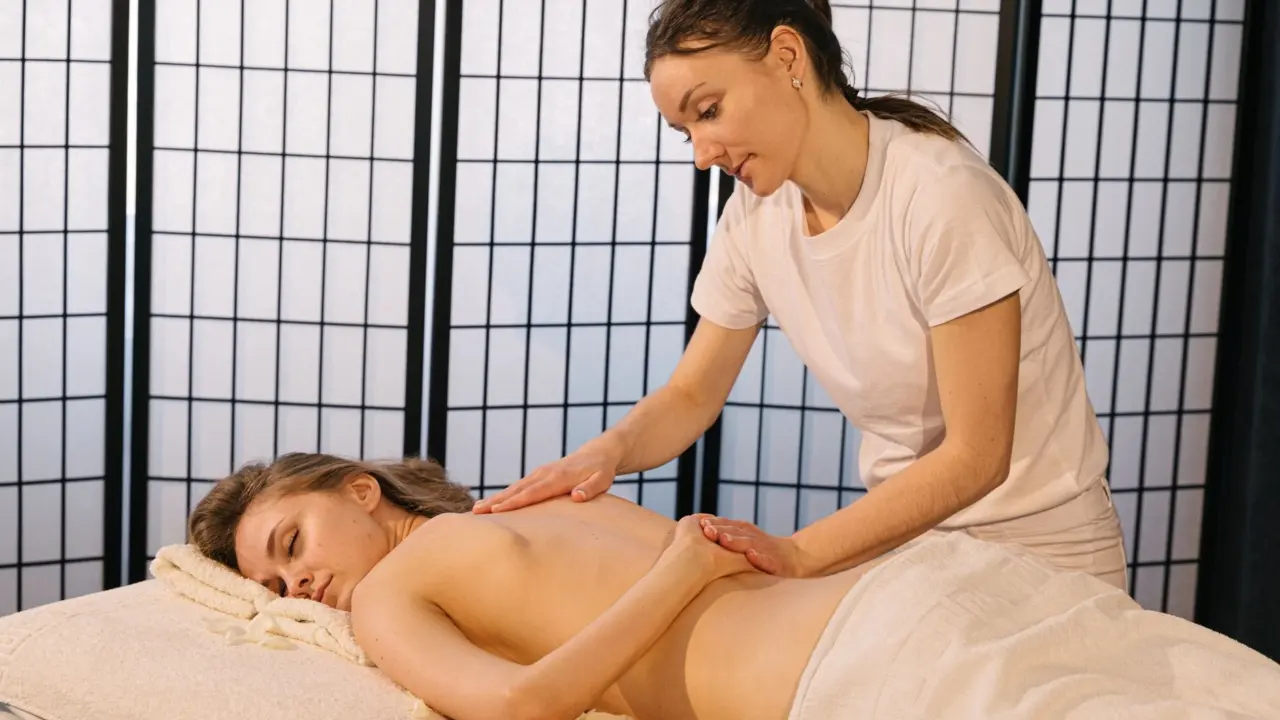
Swedish massage is a soft-tissue massage that combines long gliding strokes, kneading, friction, tapping and vibration. Soothe describes the style as usually built on long, gliding strokes and circular motions. The therapist applies massage oil or lotion to the skin first, so the hands can move smoothly before any pressure is applied.
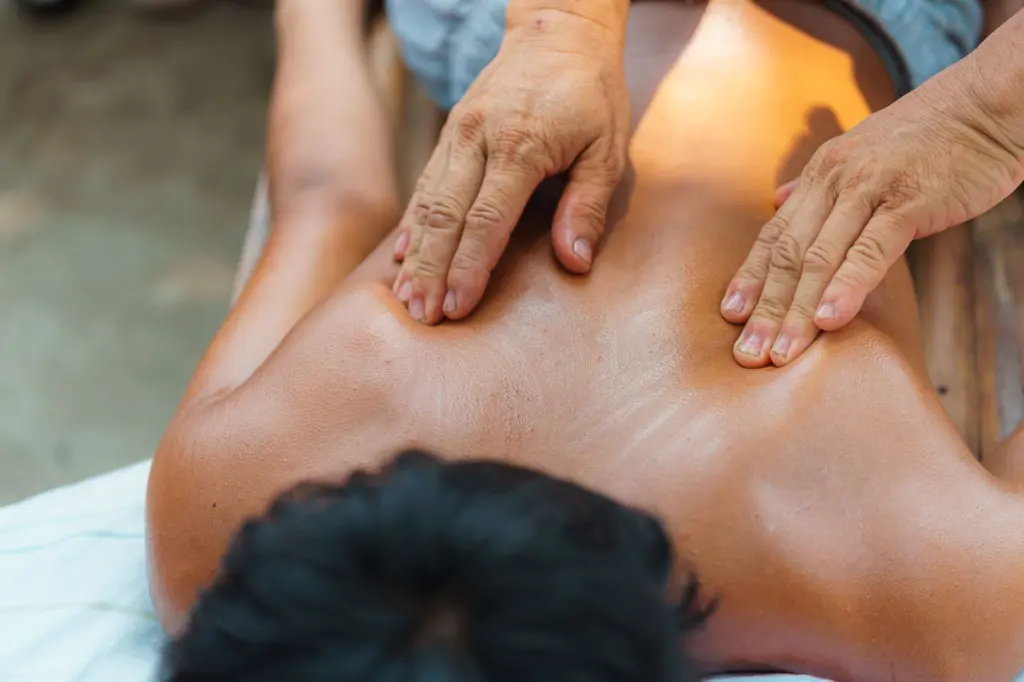
Most confusion comes from the name. “Swedish” suggests a fixed recipe, a fixed pressure or a fixed result, and it is none of those. The table below sets the most common assumptions against what the sources support.
| Common assumption | What is supported | Planning use |
|---|---|---|
| Swedish massage is always light | Pressure may be light, moderate or firm, and it is adjusted to the client’s comfort | Name your preferred pressure when you arrive and again if it changes |
| The name promises a medical result | Pressure can be adjusted, and the name does not promise a particular medical result | Book it for the experience, and see a clinician for a medical problem |
| Pain means it is working | Massage should not cause severe pain | Treat severe pain as a signal to ask the therapist to stop or ease off |
These points come from Soothe’s explainer and the Healing Hands glossary entry on Swedish massage.
The five classic strokes
One description sets out five distinct stages: effleurage, kneading, friction, tapping and vibration. Each stroke has its own motion, and the sections below say what to expect from each one. Pressure is a separate choice that you make with the therapist, covered further down.
Effleurage: long gliding strokes
Effleurage is the signature gliding stroke and the one most people picture. Soothe notes three classes of effleurage: feather stroking, superficial and deeper. That makes effleurage the clearest example of pressure varying inside a single stroke. Feather stroking is the lightest end, and the deeper class suits someone who wants a firmer glide.
Petrissage: kneading
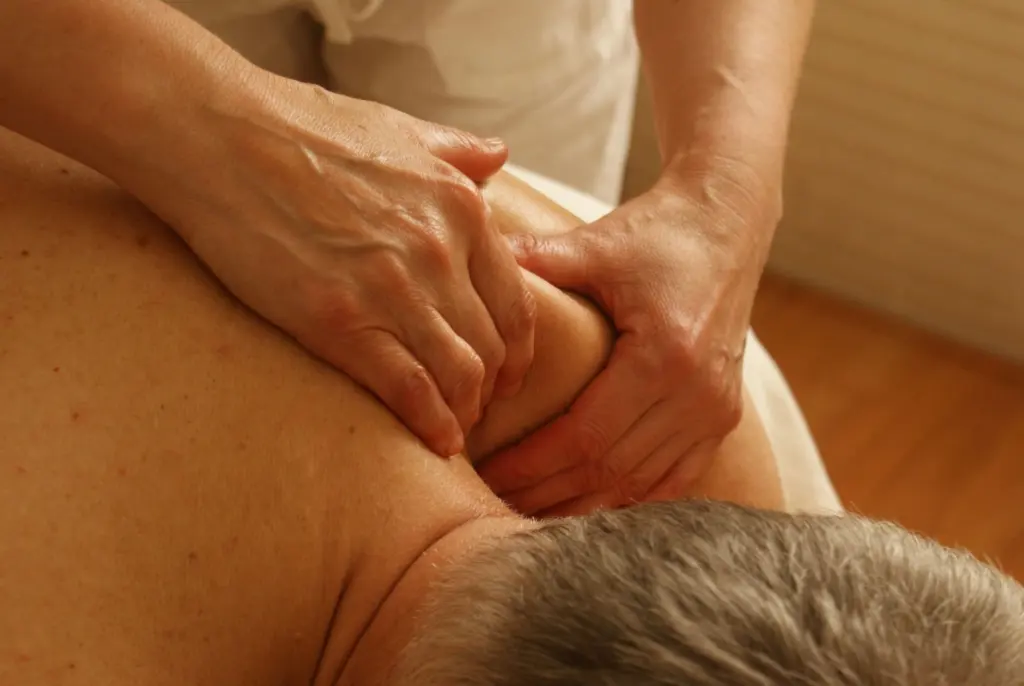
Petrissage is the kneading stroke. Its most common forms, according to the same Soothe guide, are kneading, wringing, rolling and lifting. Muscular areas such as the shoulders suit this work. If you are sensitive there, say so early, because your stated preference governs how firmly the therapist works.
Friction
Friction is the third stage in the five-stage description. Treat it as a more concentrated movement than the long glides that surround it. Therapists commonly use it where a small area needs attention. If it feels too intense, ask for lighter pressure, because the pressure is adjusted to your comfort level.
Tapotement: tapping
Tapotement is rhythmic tapping or drumming. Soothe lists hammering, slapping, cupping, hacking and tapping as its forms. This is the most surprising stroke for first-timers, because it feels percussive rather than smooth. You can ask the therapist to skip it or keep it gentle if it does not suit you.
Vibration
Vibration is the final stroke in the list and involves rhythmic shaking of the area being massaged. It usually feels like a gentle, continuous movement rather than a pressing one.
How firm a Swedish massage is
Swedish massage has no fixed pressure. Your preference may be light, moderate or firm, and the intensity can be adjusted to the client’s comfort level. A therapist who asks about pressure at the start is following normal practice.
- Choose light if you are new to massage or simply want to switch off. The feather-stroking class of effleurage sits at this end.
- Choose moderate if you want a clear sense of the strokes without strong pressure. It is a sensible default for a first session.
- Choose firm if you like deeper contact. If you want stronger work across the whole body, the style described in what is deep tissue massage may suit you better.
Pressure can change mid-session, so speak up when an area feels too much or too little. Discomfort is manageable, but severe pain is a signal to stop.
Oil, linen and the treatment room
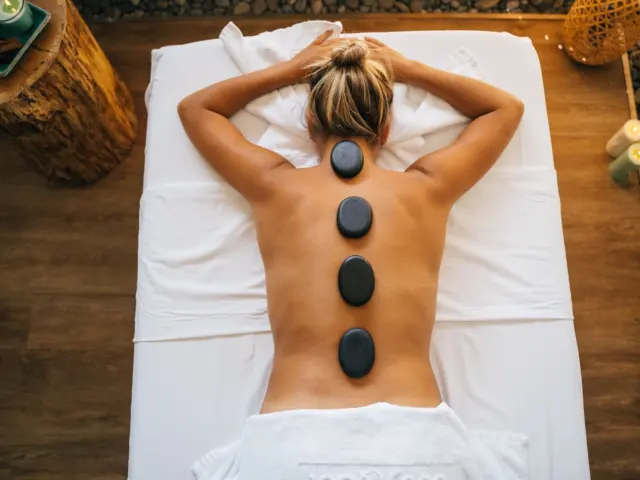
A typical session relies on a few simple materials. The therapist lubricates your skin with massage oil or lotion, which allows the long glides to travel without dragging. Towels and linen are used for draping.
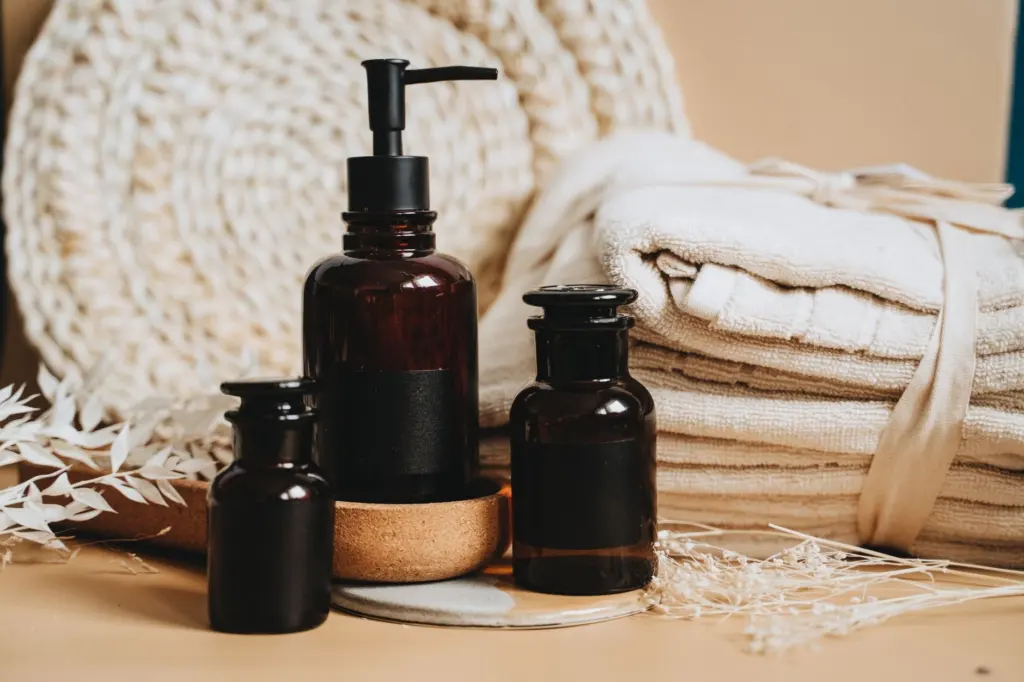
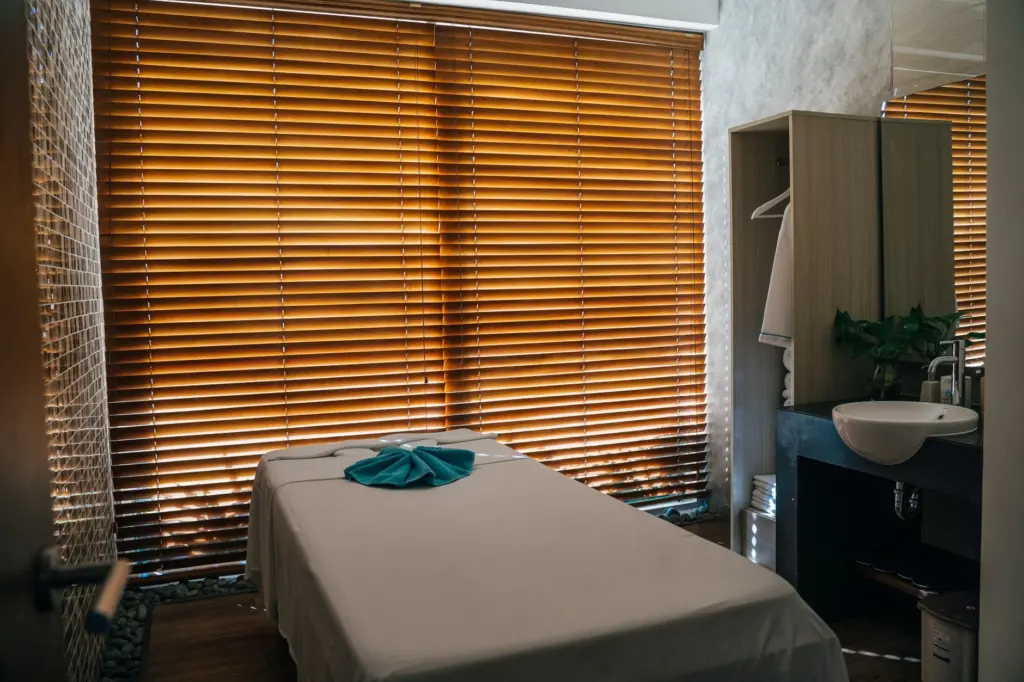
The room itself is designed to be calm and uncluttered, with a draped table and low distraction. If your appointment sits within a longer spa visit, our guide on sauna vs steam room covers the heat facilities.
Relaxing or therapeutic?
Swedish massage is primarily a relaxation style. Soothe calls it the best-known massage type for relaxation, and Pampered Spirit says it focuses more on relaxation and calming the body by using soft strokes instead of stronger pressure, in contrast with deep tissue work.
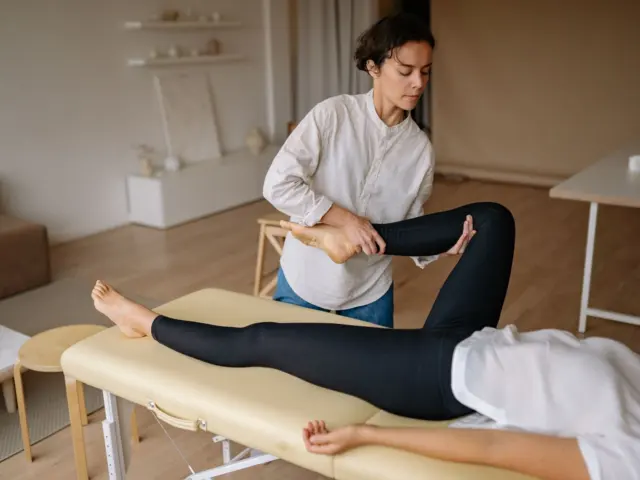
One useful distinction is that “Swedish” and “relaxation” are not the same thing. Swedish names a family of techniques, while relaxation describes the purpose of the session. A session can use Swedish strokes with a relaxation goal, but the technique does not decide the outcome. Some descriptions also class it as therapeutic massage, which is fair as a general label. Because the name makes no medical promise, choose it for relaxation and use a clinician for anything medical.
Who should avoid Swedish massage or check first
Gentle as it is, Swedish massage is not right for everyone on every day. Share relevant medical conditions and medicines before booking. The Healing Hands glossary names blood-thinning medication, bleeding disorders, recent blood clots, fractures and severe osteoporosis as examples to raise. Ask your doctor first if any of these apply.
- Open wounds or infections. It is important to avoid massage if you have either. Rebook once the skin has healed.
- Medicines and clotting. Tell the therapist about blood thinners or a recent clot before the appointment, not during it.
- Severe pain during the session. Massage should not cause it. Ask the therapist to stop or lighten the pressure.
If you are unsure whether a condition affects you, ask a clinician first. A good therapist will want to know and will adjust or decline the treatment if needed.
Frequently asked questions
| Question | Answer |
|---|---|
| Who invented Swedish massage? | Accounts differ. Soothe credits a Swedish physiologist at the University of Stockholm in the early 1800s, while another source names Dutch physician Johann Georg Mezger in the 19th century. |
| When is oil applied? | The therapist applies massage oil or lotion to your skin before the strokes begin, so the hands glide smoothly. |
| What does the term effleurage mean in practice? | It is the long gliding stroke, and it comes in three classes: feather stroking, superficial and deeper. |
| Which medical details should I mention before booking? | Mention blood-thinning medication, bleeding disorders, recent blood clots, fractures and severe osteoporosis. Also mention any open wounds or infections. |