Wondering what is Thai massage before you book? It is a clothed, mat-based treatment built around assisted stretching, acupressure and rhythmic compression, rather than a session on a massage table.
This guide sits within our overview of massage therapy and spa treatments. It explains the style’s core features, what happens on the mat and what to wear, so you can judge whether it suits you before you arrive.
Thai massage compared with common expectations
Thai massage combines acupressure, energy work and assisted yoga postures, as described by Sabai Thai. In its traditional form it is performed on a mat on the floor with the client fully clothed. That already separates it from the table-based treatment most people picture when they book a first massage.
Real Bodywork gives a practical description: the treatment combines assisted stretching, rhythmic compression and deliberate movement to improve mobility and reduce tension. Those three working ideas, stretch, press and move, explain most of what you will feel. Each one changes what you should expect from the session and how you prepare for it.
| Common assumption | What Thai massage involves | Planning use |
|---|---|---|
| You undress and lie on a table | Performed on a mat on the floor with the client fully clothed | Arrive dressed to move, not to undress, and expect to work at floor level. |
| It is a passive rub | Assisted stretching, rhythmic compression and deliberate movement | Plan for active positioning by the therapist rather than stillness throughout. |
| It only works on muscle tension | Works on the body’s energy lines, known as Sen, alongside acupressure | Treat Sen as the tradition’s own framework. You do not need to study it beforehand. |
| It is just yoga | Assisted yoga postures delivered by a therapist | Choose it if you want stretching done to you rather than a class you lead yourself. |
The comparison above follows the accounts from Sabai Thai and Real Bodywork, which agree that the treatment is floor-based, clothed and built on movement.
The practical upshot is that Thai massage suits people who want an active, stretch-led session. If you picture quiet, stationary relaxation, hold that expectation lightly, because movement is part of the treatment rather than an extra. Real Bodywork frames the difference this way: compared with table massage, Thai massage adds a movement component.
Sen lines and acupressure
Sen lines are the energy lines that Thai massage works on. According to Sabai Thai, this is one of the clearest differences from Western massage techniques. The same description places acupressure and energy work side by side with assisted yoga postures, so the pressure belongs to a traditional framework rather than being an add-on.
For a first session, the useful point is that Sen is the practitioner’s reference system. It is not a test of your knowledge and it does not change what you need to bring. If you are curious, ask the therapist to explain what they are working on during the session. If you only want a stretch-led session, you can simply lie back and let them get on with it.
What Sen means for a first-time client
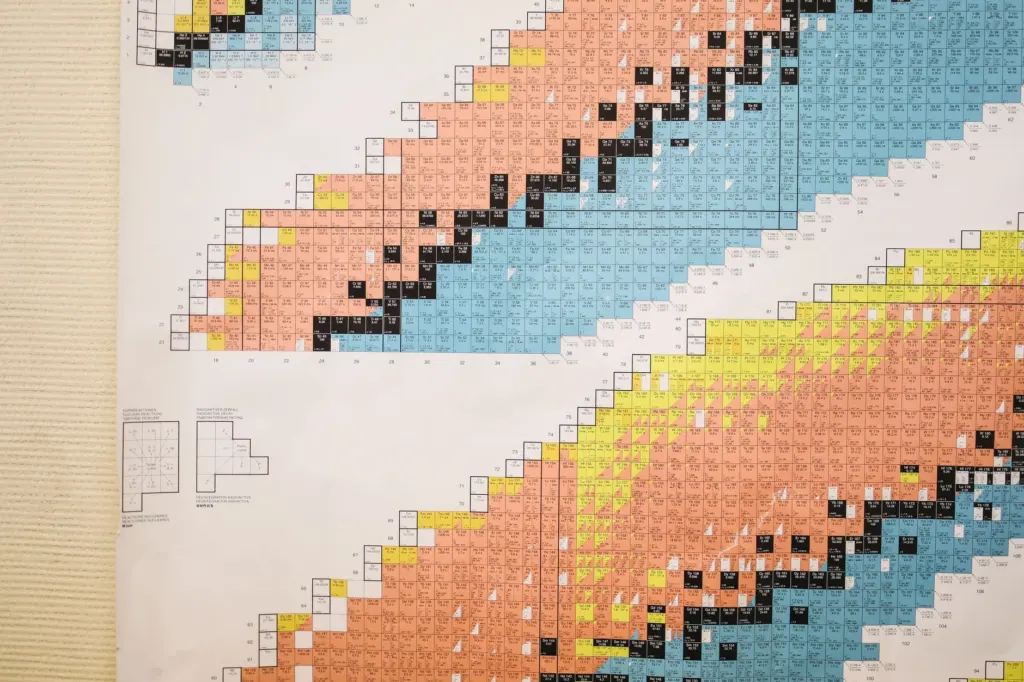
Sen belongs to the tradition the therapist works within, so it helps to separate the concept from the experience. The physical sequence is the part you feel directly, whatever framework is used to describe it. A chart can make the concept easier to picture, but it is a prompt for discussion rather than a map you need to memorise.
Traditional Thai massage: what to expect in a session
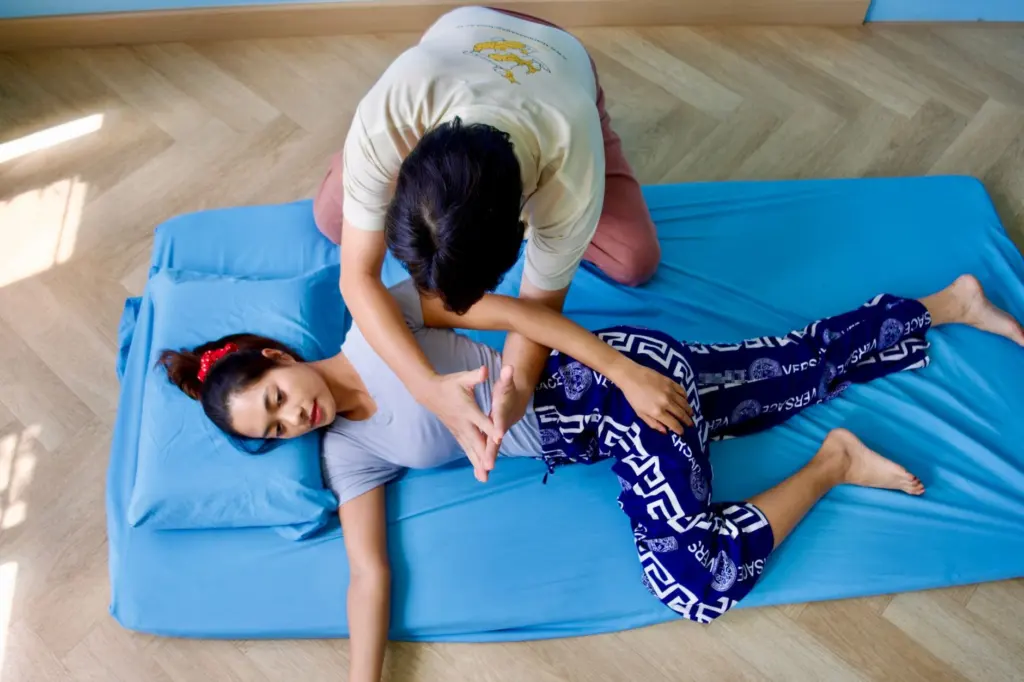
A traditional session takes place on a floor mat with you clothed, as Urban notes when it describes the treatment as performed clothed. The therapist does the work in several overlapping ways, and each one shapes how the session feels from start to finish.
Pressure from several points
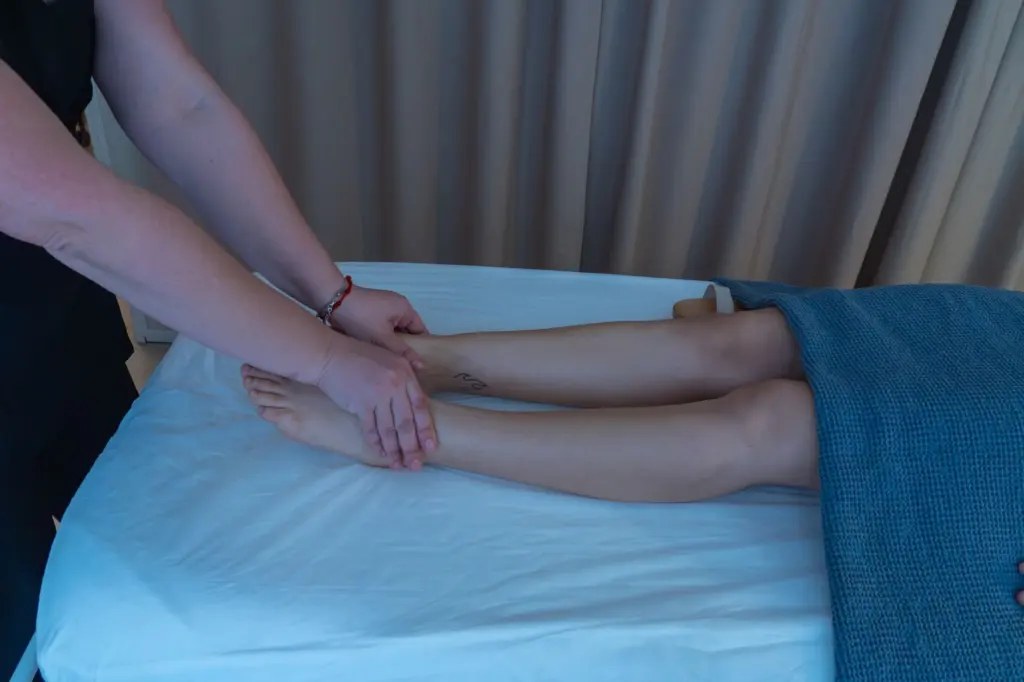
Real Bodywork describes the therapist using hands, forearms, elbows, knees and body weight to apply pressure and guide stretches. Pressure is therefore not limited to fingertip or palm contact. This is why the treatment is often described in acupressure terms rather than as a surface rub, and it is worth knowing before you book if you prefer very light touch.
Assisted stretching and movement
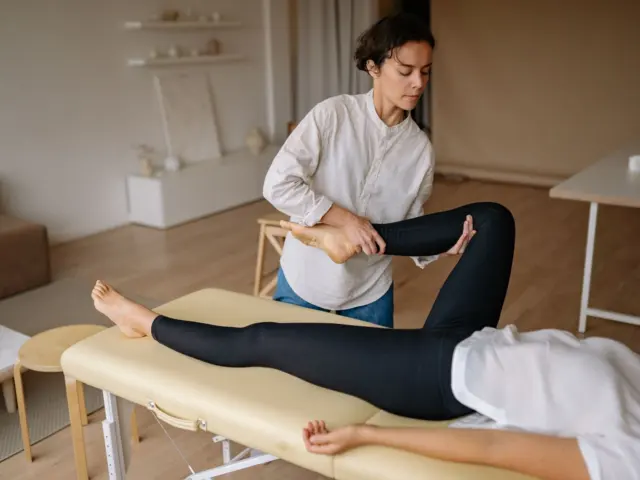
The practice involves lots of assisted stretching and is sometimes described as assisted yoga, according to Urban. Your limbs are guided into positions rather than held by you. Real Bodywork adds that the treatment frequently mobilises joints and lengthens tissues through assisted positions and stretch sequences. Mobilising a joint means moving it through its range, so the session is less about staying still and more about being taken through a series of positions.
That flow is the main difference from a stationary treatment. A session can move from one position to the next, so a client who likes a steady, unchanging rhythm may find the pace different from what they expected.
Mat and setting
The traditional form uses a mat on the floor rather than a table, as both Sabai Thai and Nakhon Paris describe it. A floor setting changes how you get on and off the mat and how the therapist can reach and position you, so it is worth allowing a little extra time to settle in before the session begins.
Pitfalls to plan around
The main pitfall is expecting to lie motionless for the whole session. Because the stretching is assisted, you will be positioned and moved, and pressure comes from more than the hands. Tell the therapist early if a stretch or a point of pressure feels like too much, since the treatment is meant to improve mobility and reduce tension rather than to test your limits.
It also helps to decide your priorities before the session starts, such as which areas you most want to work on and which you would rather the therapist avoid. Raising these points at the outset gives the therapist something concrete to work with.
What to wear to Thai massage
Wear soft, loose clothing that does not restrict movement. Urban says clients are asked to wear soft, non-restrictive clothes, and recommends loose-fitting clothing because it helps the therapist guide you through the movements.
Clothing matters more here than in many other treatments. You stay fully clothed on the mat, so your outfit is part of the working setup. Tight or stiff fabric will resist the stretches the therapist is trying to guide, which makes the session feel harder work than it needs to be.
- Soft fabric. Choose something that moves with you and stays comfortable through a session of repeated pressure and stretching.
- Loose cut. Look for a cut that lets your legs, hips and shoulders move freely, so the therapist can take a limb through its range without fighting the fabric.
- Floor-friendly layers. Pick clothes you can sit, kneel and lie down in comfortably, since you will spend the session at floor level rather than on a raised table.
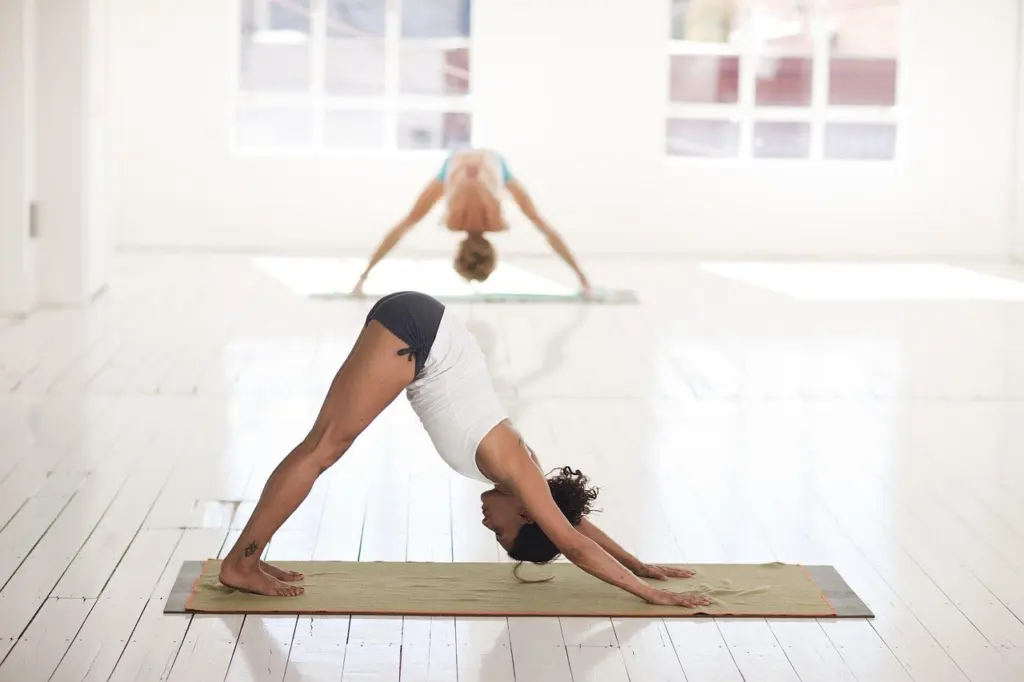
When you book, it is sensible to ask the venue what it suggests wearing, so you arrive prepared for the floor-based format rather than guessing.
Who Thai massage suits, and when to choose another style
Thai massage suits people who like to be moved and stretched and who are comfortable working at floor level. Real Bodywork notes that, compared with table massage, it adds a movement component and frequently mobilises joints and lengthens tissues. If mobility and loosening up are your goals, that emphasis is the main reason to choose it.
When Thai massage is a good fit
It fits you if you want the therapist to take an active role in your stretching, if you are comfortable getting down onto a mat and if you are happy to be repositioned during the session. It also suits people who want pressure applied with a range of body tools rather than only the hands.
When to consider another style
If you would rather lie still and be worked on without being repositioned, another style may fit better. Likewise, if floor-level work is difficult for you, a table-based treatment may be more comfortable. If you are pregnant, our guide to pregnancy massage covers a treatment designed around pregnancy rather than the floor-based approach described here. To see how another bodywork tradition compares, read what is shiatsu massage.
Frequently asked questions
| Question | Answer |
|---|---|
| Is Thai massage the same as yoga? | Not exactly. It is often described as assisted yoga because it uses yoga-style postures, but the therapist guides your body through them while you remain clothed on the mat. |
| Is oil used during the session? | In the traditional form, no. Sabai Thai states that no oils or lotions are used, so the work is done over clothing. |
| Does it add movement compared with table massage? | Yes. Real Bodywork describes Thai massage as adding a movement component, with joints frequently mobilised through assisted positions. |