Quick answer: Massage for stress relief works best as a calming complement to other support. A gentle full-body Swedish massage is the usual starting point, and anyone with a medical condition should check with a doctor first.
This guide matches massage styles to stress, burnout and sleep goals. For the wider picture, see massage therapy and spa treatments, and for a fuller rundown of the benefits of massage therapy, including its risks, see that companion guide.
Choosing a massage style for your goal
The right style depends on what you want from the session. If the aim is to unwind, choose a gentle, full-body approach. If the stress shows up as tight, sore muscles, a firmer approach may suit you better. Compare the options below before booking.
- Your starting point: people who have never had a massage are best served by a gentle style rather than a firm one.
- Where the tension sits: general relaxation and muscle-focused work are different goals, so name yours when you book.
- Your health: a medical condition changes the decision, so check with a doctor and tell the therapist before the session.
| Goal | Style to consider | What the evidence describes | Planning use |
|---|---|---|---|
| General stress and anxiety | Swedish massage | Typically a full-body massage using a gentle touch; a good pick for people new to massage | Default choice for a first stress-relief session |
| Stress held as muscle tightness | Deep tissue massage | Suited to injuries, general muscle tightness and chronic muscle pain | Choose when sore muscles, not general tension, are the main complaint |
| Poor sleep | Calming full-body massage | Studies have looked at insomnia related to menopause and congestive heart failure | Treat as part of an evening wind-down, not a stand-alone fix |
| Burnout | Gentle Swedish-style session | Evidence concerns stress hormones and relaxation rather than burnout itself | Use as recovery support alongside changes to workload and rest |
These descriptions come from Cleveland Clinic’s overview of massage benefits. A wider comparison of types of massage helps when neither style quite fits.
How massage may ease stress and anxiety
Massage can help with stress and anxiety, mainly by calming the body’s stress response. Cleveland Clinic explains that, with a goal of slowing down the nervous system, massage therapy can be used to release stress and tension.
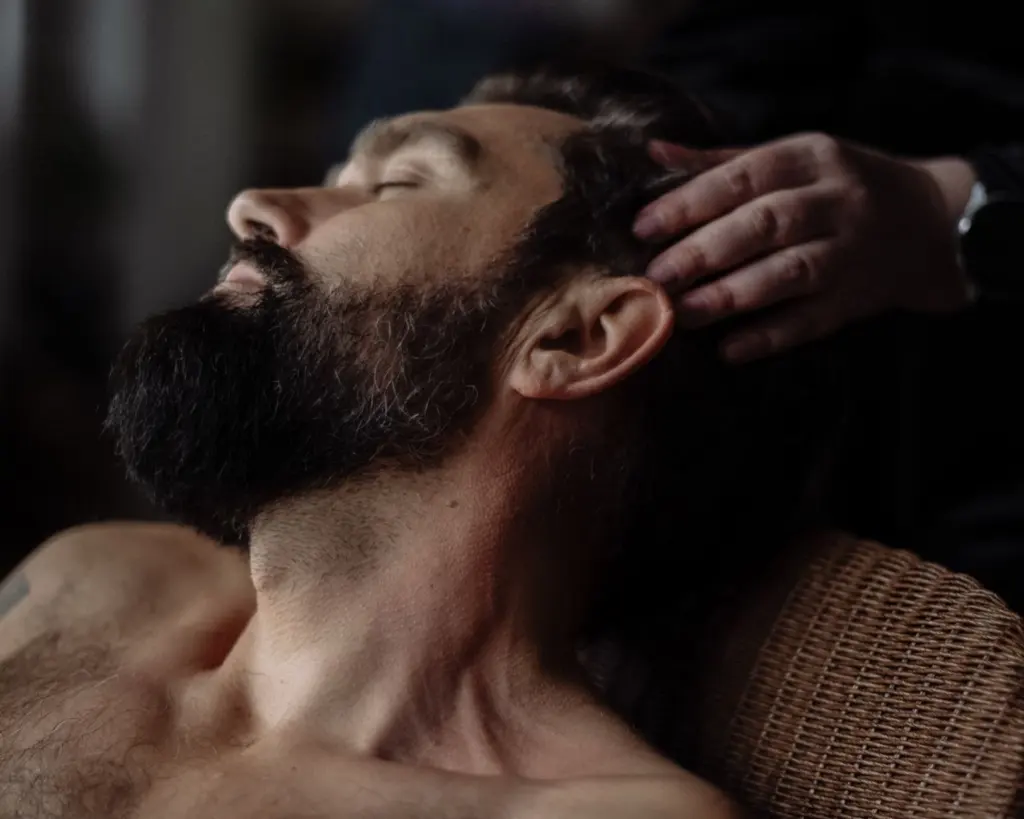
The same source says massage is thought to increase the parasympathetic response, which can decrease feelings of anxiety. The parasympathetic system is the body’s rest-oriented side, so the effect is a shift toward calm rather than a cure for the cause of the worry.
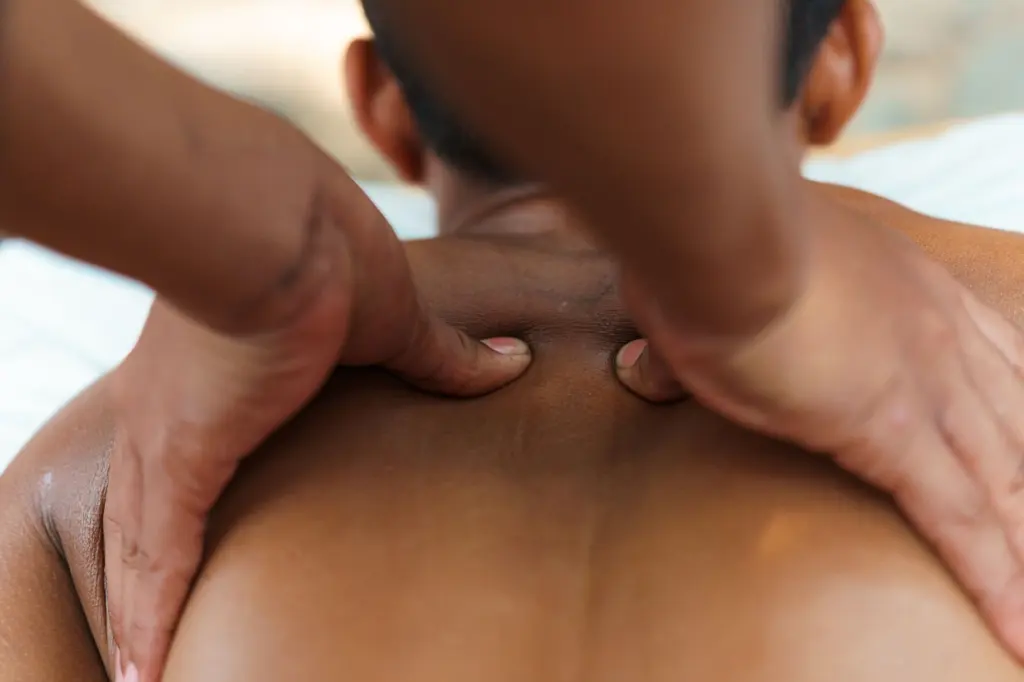
Stress also has a chemical side. Cleveland Clinic notes that massage can decrease cortisol, a stress hormone. That makes cortisol a reasonable thing to keep in mind when judging a session’s purpose: the aim is to lower the body’s arousal, not to achieve a particular feeling on the table.

Swedish massage versus deep tissue for stress
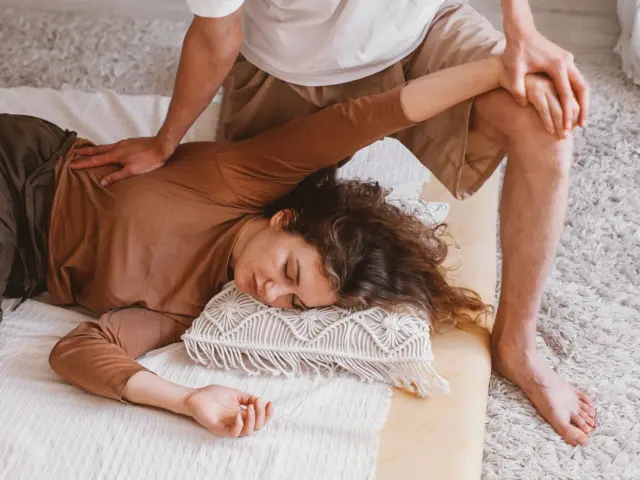
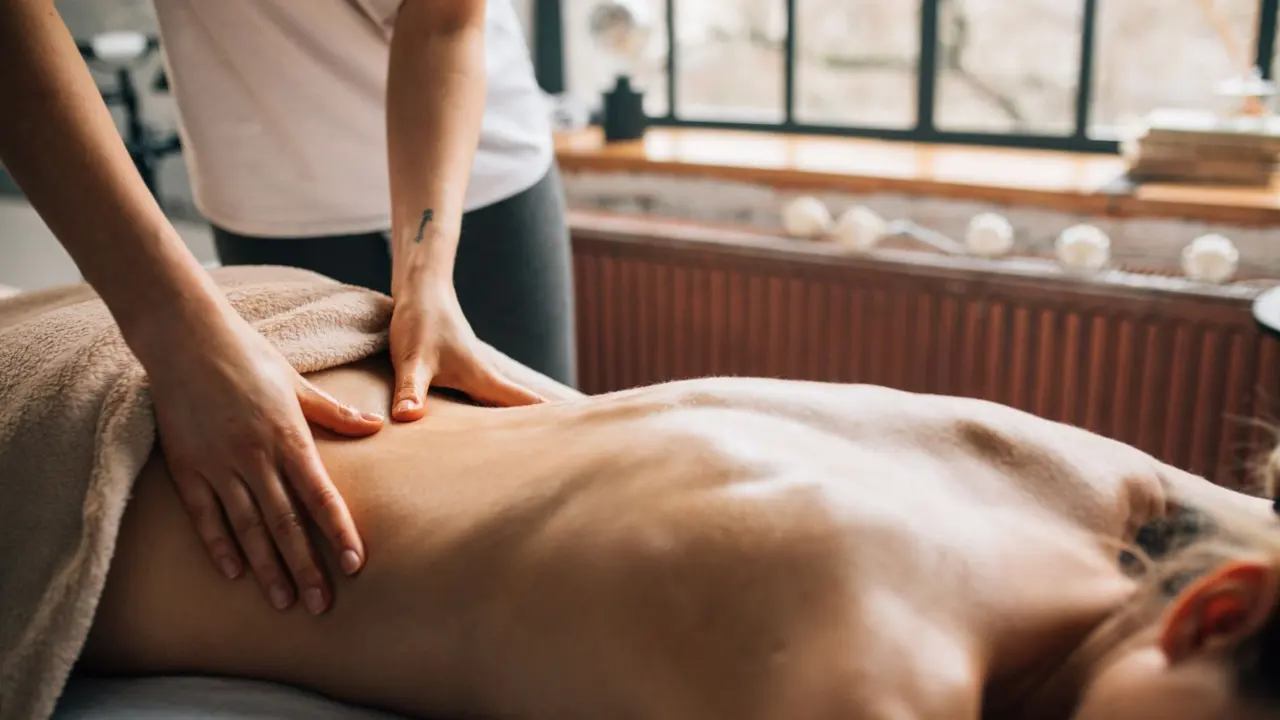
Swedish massage is the better first choice for stress relief. It is typically a full-body massage with a gentle touch, and Cleveland Clinic calls it a good pick for people new to massage. The gentle pressure fits the goal of settling the nervous system rather than working on specific knots.
Deep tissue massage answers a different problem. It is described as good for people with injuries, general muscle tightness and chronic muscle pain. If stress has left you with persistently tight muscles, deep tissue can be worth trying, but expect a firmer, more targeted session than a relaxation massage.
A gentle head or scalp element is a sensible add-on to ask a therapist about if you want a quiet, low-pressure session. Mention your preference for light pressure when booking so the therapist can plan the session around it.
Massage for burnout
Massage for burnout is best seen as recovery support, not a solution. The evidence on cortisol and the nervous system speaks to stress and relaxation, and burnout is driven by sustained pressure that a single hour on a table cannot remove.
For someone exhausted by work, a gentle Swedish-style session is the sensible pick, because it asks nothing of the body and encourages a relaxed state. Pair it with changes to workload and rest, and consider medical advice if exhaustion is persistent.
Massage for better sleep
Massage may support sleep, but the evidence is condition-specific. Cleveland Clinic cites studies showing that massage therapy is beneficial for people with insomnia related to menopause and with congestive heart failure.
The same source says massage may increase serotonin and dopamine, but it does not turn this into a general promise of better sleep for everyone. If sleep is your goal, book a calming full-body session and make it part of an evening routine rather than relying on it alone.

Session length and how often to book
Frequency and length are best treated as direction, not a prescription. Cleveland Clinic reports that in some cases receiving a 60-minute massage multiple times per week had better results than fewer or shorter massages. That finding comes from studies of pain rather than stress, so it shows that dose can matter without setting a schedule for stress relief.
A practical reading is to plan around a full-length session rather than a short one when relief is the goal, and to treat a single visit as a trial of how your body responds. If you notice the benefit fading quickly, that is consistent with the evidence, covered below, and a reason to build massage into a broader routine.
Limits of the evidence and when to see a GP
The evidence supports modest, short-lived benefits. Reviewing the research, Cleveland Clinic states that relief may be short-term, rather than long-term. It also notes that studies on massage for cancer pain conflict, with some saying massage therapy does not improve cancer pain and others showing a positive impact.
Massage should therefore not replace medical support. The same source advises that if you have a medical condition, you should check with your doctor and have a conversation with your massage therapist. See your GP rather than relying on massage if stress, anxiety or poor sleep is persistent, is affecting daily life, or sits alongside a health condition. Massage can be a calming addition to that care, not a substitute for it.
Frequently asked questions
Which chemicals are linked to massage’s calming effect?
Cleveland Clinic says massage can decrease cortisol and increase levels of serotonin and dopamine.
Does the relief from massage last?
Reviewers describe relief as possibly short-term rather than long-term, so regular sessions and other support matter more than any single appointment.
Is deep tissue a poor choice when I am stressed?
Not necessarily. It suits stress that has settled into tight or painful muscles, while Swedish massage is gentler for general unwinding.