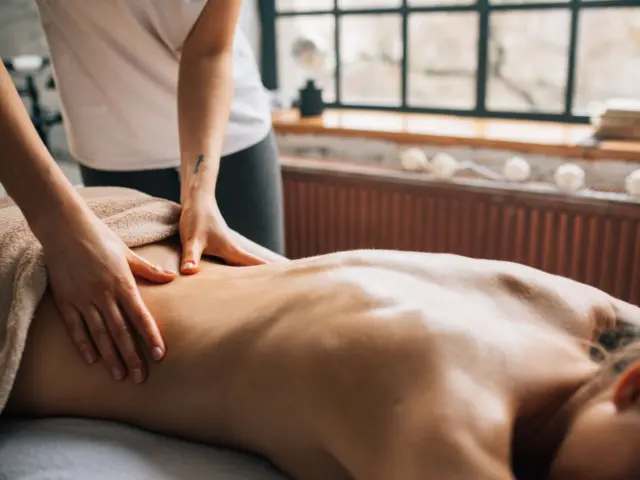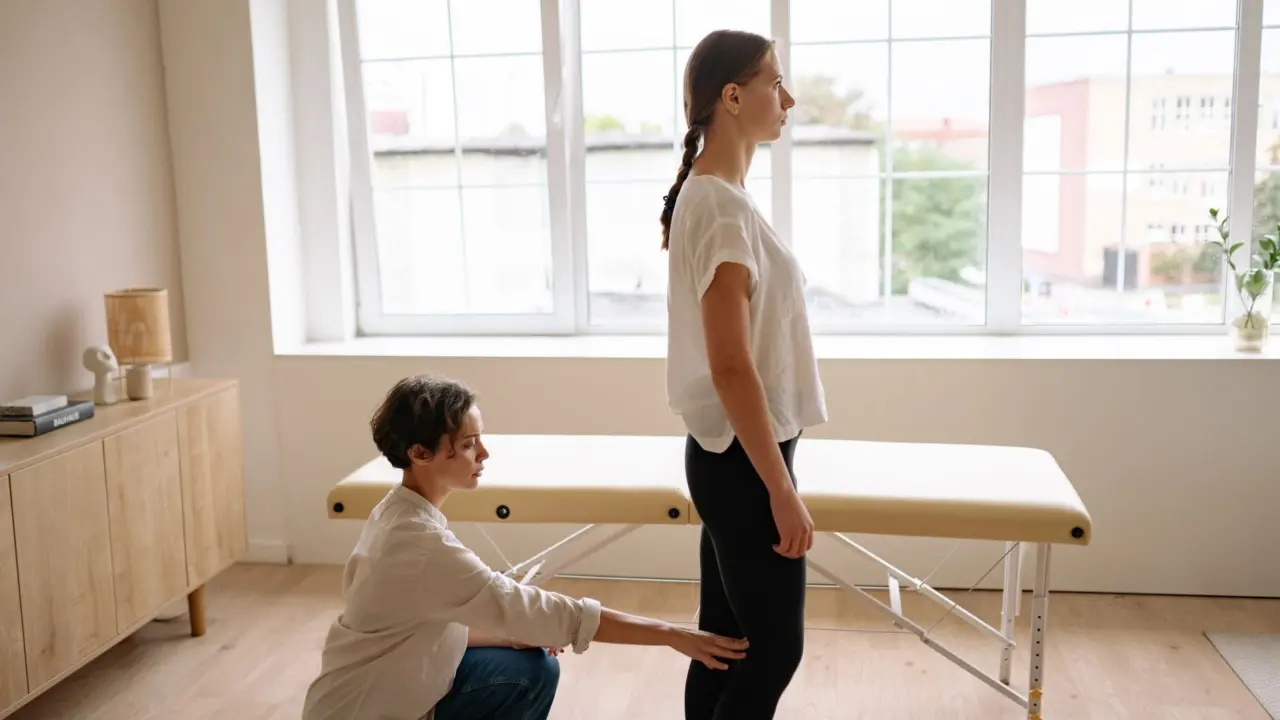
The benefits of massage therapy are best reported for muscle tension, tension headaches and pain, with relaxation a common gain. Anyone with a bleeding disorder, severe osteoporosis or a blood-thinning prescription should get medical advice before booking.
This guide weighs benefits and cautions together as a decision checklist. It sits within the wider area of massage therapy and spa treatments, where treatment types and venues are compared.
What massage therapy involves
Massage therapy is not one fixed treatment. According to a physical therapy clinic’s overview of massage benefits, a session can include anything from light touch to deep pressure, depending on the type of massage, the client’s goals and their needs. A relaxing session and a firm sports-style session therefore carry different expectations and different questions to ask beforehand.

Health use is common. Research from the American Massage Therapy Association, as reported by National University of Health Sciences, found that 50 percent of Americans sought a massage for health-related reasons in the last year. That is a United States figure, but it shows massage is widely treated as part of health care and not only as a spa extra.
The practical consequence is that benefits and risks have to be read against the specific session. The same hands-on technique can suit one person and call for a doctor’s input for another.
Benefits and the strength of the evidence
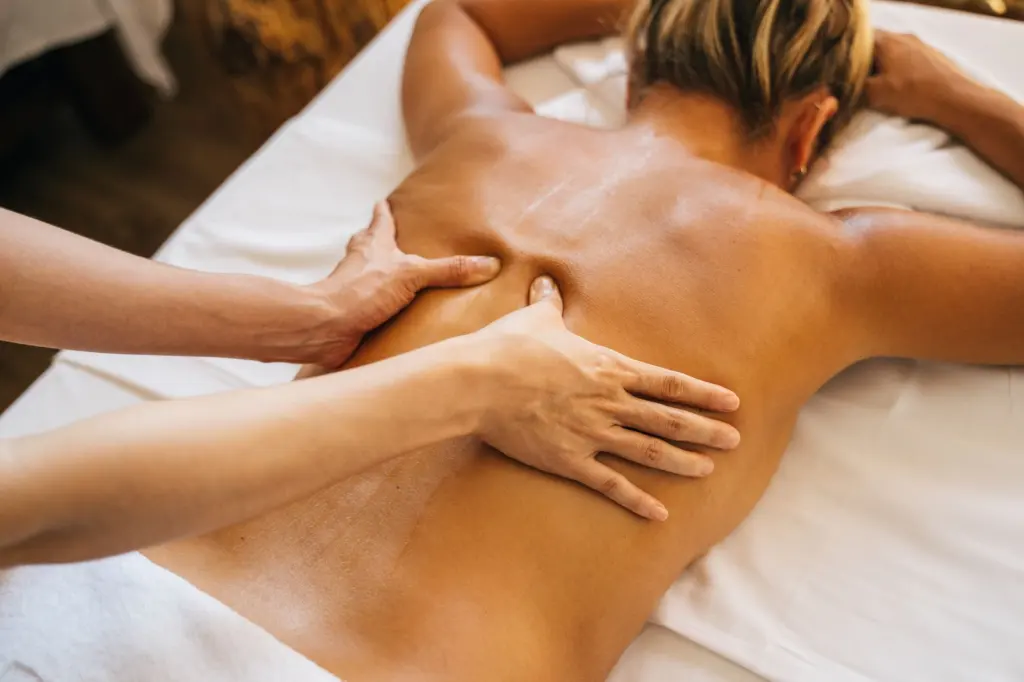
The benefits with the clearest support in the available material are pain-related and tension-related. The table separates what is reported from how far each claim stretches, so the evidence level can inform the decision.
| Benefit | What is reported | Evidence level | Planning use |
|---|---|---|---|
| Chronic tension headaches | Head and neck massage can significantly reduce them | Research-based and specific to head and neck work | A reasonable option for recurring tension headaches; choose a session that focuses on the head, neck and shoulders |
| Fibromyalgia quality of life | Studies indicate improved quality of life with myofascial massage | Described as an association with one technique | Ask specifically for myofascial work and discuss it with the treating doctor |
| Cancer-related pain and anxiety | Significant reduction in pain and the anxiety that accompanies it when used alongside physician-recommended treatments | Reported as an add-on to medical care | Treat as a complement, never a substitute, and tell the care team |
| Muscle tension and exercise performance | Reduced muscle tension, improved exercise performance and possibly prevented injuries | Broad statement; injury prevention is the least specific part | Tension relief is the safer expectation; do not rely on massage as injury protection |
These findings are summarised by National University of Health Sciences, which is relaying research and not presenting a single trial.
Two judgements follow. First, the strongest reported gains attach to named conditions and named techniques, so a general “full body” booking is a weaker match for them than a targeted one. Second, anyone whose main goal is calming down will find related guidance in massage for stress relief, which focuses on that purpose.
Medical conditions that call for advice first
Some conditions affect the whole session, not one body area. The clinic overview says massage may not be suitable for someone with a bleeding disorder, severe osteoporosis, or a blood-thinning medication. The wording is “may not be suitable”, so these are triggers for a medical conversation and not automatic bans.
Blood thinners and bleeding disorders
Blood thinners are a medication, so they are easy to forget when filling in a form about injuries. Treat them as the first item to declare. A doctor can say whether massage is appropriate, and the therapist can then choose a suitable approach.
Severe osteoporosis
Severe osteoporosis belongs on the same list, which is why it matters to state severity when asked. A person with a milder diagnosis should still mention it and let the doctor and therapist judge.
Other medical conditions
The same overview advises seeking a doctor’s approval before booking if any medical condition is present. That is a cautious standard, and it suits long-term conditions in particular. The photograph below is illustrative only. Anything unusual on the legs, such as prominent veins, is best raised at screening so the therapist can decide whether to ask for medical advice.
Temporary and local cautions
A different group of cautions is temporary. According to the same clinic overview, a new burn, infection, fracture or wound may mean waiting for sufficient recovery before massage. The decision here is about timing, not permanent exclusion.
- Wait when the problem is recent. A fresh wound or fracture is a reason to postpone, and a later booking is the usual solution.
- Ask about the affected area. A local problem may leave other areas available, but the therapist and, where needed, a doctor should make that call.
- Do not hide the issue to keep an appointment. Rescheduling costs little compared with treating an area that is still healing.
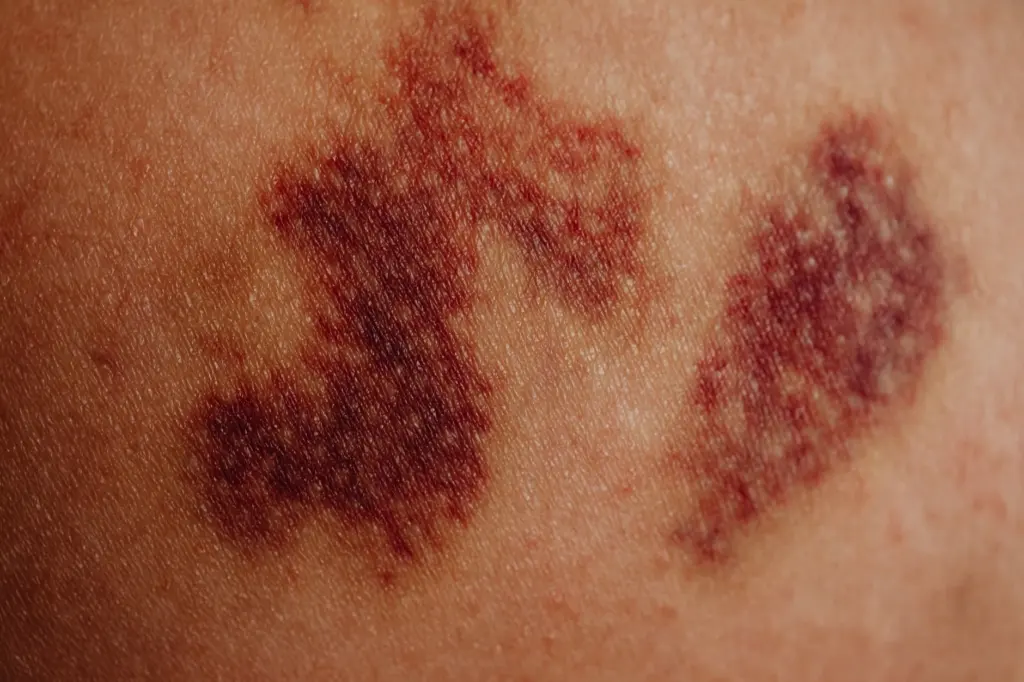
Skin checks are part of this. Marked or damaged skin is one thing a therapist looks for before starting.

Is deep pressure ever harmful?
Deep pressure is one end of a range, not the standard setting. Because sessions run from light touch to deep pressure according to the clinic overview, pressure is a choice made for each client.
The supported answer is conditional. For someone with a bleeding disorder, severe osteoporosis, a blood-thinning prescription or a recent injury, deep work belongs in the group of things to clear with a doctor first. For a healthy adult with tension in the shoulders, firm pressure is a preference to be set with the therapist, who can adjust it as the session goes on.
A useful rule is to start lighter and ask for more. That is easier to correct than the reverse, and it keeps the client in control of the session.
Screening, regulation and what to tell your therapist
Screening is where the benefits and risks meet. The Complementary and Natural Healthcare Council, the UK register for complementary practitioners, says on its what we do page that it registers practitioners from eighteen professions, and Massage Therapy is among them. It also holds an Accredited Register status from the Professional Standards Authority for Health and Social Care.
CNHC’s guidance on complementary therapies describes practitioners as trained to recognise contraindications, meaning reasons a treatment may be unsuitable. It adds that a therapist may ask a client to seek a medical practitioner’s advice first. Treat that request as a normal part of safe practice and not as a refusal.
Anyone booking a shared session can read what is a couples massage for the format. The health questions on this page still apply to each person individually.
Decision checklist
Use these steps in order before booking.
- Define the goal. Tension headaches, muscle tension or fibromyalgia symptoms point to targeted work, while general relaxation allows a lighter, broader session.
- Check for whole-session cautions. A bleeding disorder, severe osteoporosis or blood-thinning medication means asking a doctor first.
- Check for temporary cautions. A new burn, infection, fracture or wound suggests waiting until recovery is sufficient.
- Choose a registered practitioner. Look for membership of an accredited register such as CNHC’s.
- Agree the pressure. Start light and increase only when comfortable.
Frequently asked questions
Can massage replace medical treatment for cancer-related pain?
No. The reported reduction in pain and anxiety relates to massage used alongside physician-recommended treatments, so it works as a complement and the care team should know about it.
Do I need a doctor’s approval for every booking?
The clinic overview advises seeking approval before booking if you have any medical condition. With no medical condition, the main task is completing the therapist’s health questions honestly.
What does CNHC registration tell me about a therapist?
It shows the practitioner is on a register covering eighteen professions, including Massage Therapy, held to an Accredited Register standard by the Professional Standards Authority for Health and Social Care.