| Treatment | What it does | Planning use |
|---|---|---|
| Facial | Cleans the face and addresses skin issues. A basic facial includes cleansing, light exfoliation, a facial massage and a customised mask. | Choose it when the goal is skin condition rather than tired muscles. |
| Swedish massage | Long gliding strokes, kneading and circular motions to ease muscle tension and aid circulation. | Suits general relaxation and a first massage. |
| Deep tissue massage | Slower, more specific work on muscle knots in deeper muscle and connective tissue. | Suits targeted tension rather than all-over relaxation. |
| Hot stone massage | Warm, smooth stones placed on specific points of the body and held during the massage. | A heat-based variation to ask about when booking massage. |
| Microdermabrasion facial | Gently exfoliates the outer layer of skin to remove dead skin cells. | An exfoliating option within the facial family. |
| Manicure and pedicure | Technicians trim nails and moisturise hands and feet. The treatment can remove hangnails. | A grooming treatment rather than a relaxation one. |
| Hot tub and sauna | Water- and heat-based spa options, listed alongside massage and facials. | Often used for relaxation around other treatments. |
Descriptions in the table follow the treatment guides from ZZ Day Spa and King Spa.
The main types of spa treatments are facials, massage, body treatments such as scrubs, nail care and water-based options like hot tubs and saunas. The right choice depends on whether you want skin care, muscle relief or simple relaxation.
This glossary defines treatments and says what each does and does not do. It does not recommend venues; for that, see our guide to the best spas in london.
Facial or massage: what changes the decision
A facial works on the skin of the face, while a massage works on muscle. That difference is the quickest way to decide between them.
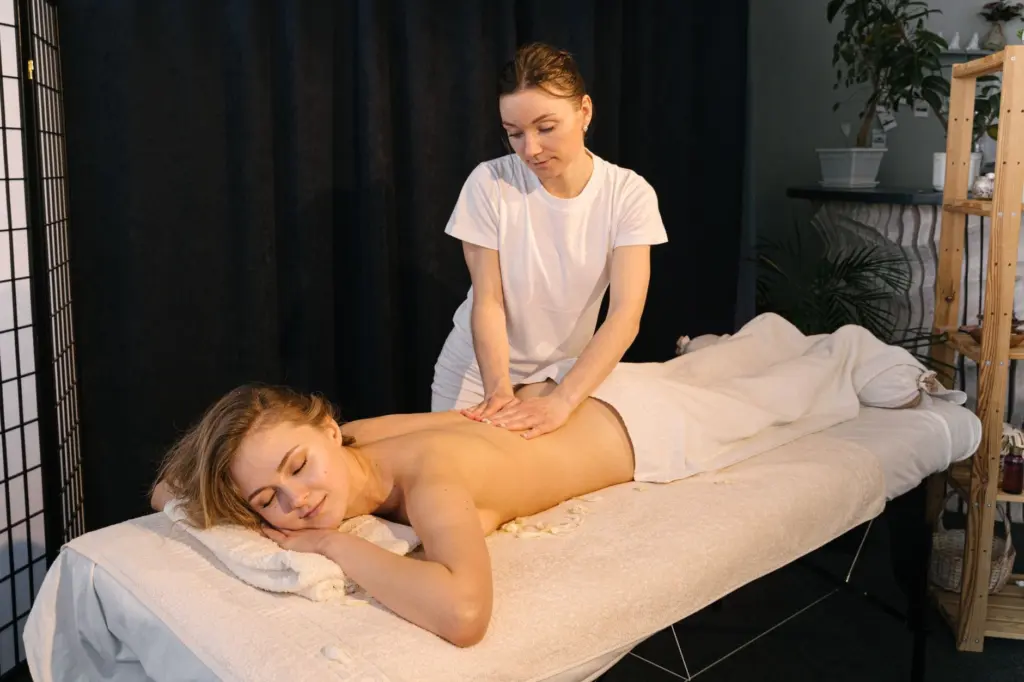
A facial is designed to address certain skin issues, promote the overall health of your skin and clean your face. A massage is aimed at the body beneath the skin. Swedish massage is described as excellent for general relaxation and for relieving muscle tension, and deep tissue massage focuses on knots in deeper muscle.
The two overlap more than the names suggest. A basic facial includes a soothing facial massage between the cleansing, light exfoliation and customised mask. So a facial can feel relaxing, but the massage within it is part of caring for the skin. It is not a substitute for working on a tight back or shoulders.
What each one does not do
- A facial does not target muscle knots. Its massage element is part of a skin routine, so choose a body massage if tension in the back or limbs is the problem.
- A massage does not treat skin concerns. Strokes, kneading and circular motions are described in terms of muscle tension and circulation, not skin condition.
- Neither is a substitute for medical care. The descriptions come from spa treatment guides and describe what the treatments aim to do, so raise any health concern with a doctor rather than a spa menu.
Treatments for sensitive skin
For sensitive skin, a gentle facial is the sensible starting point, and an LED facial is described as ideal for sensitive skin, acne-prone skin and people seeking gradual improvement. The words “gradual improvement” matter. It is positioned as a steady option, not a dramatic one.
An oxygen facial is described as suitable for all skin types, with a visible glow and no downtime. That makes it another option to ask about if you want a facial without recovery time afterwards.
- Gentler choices: LED and oxygen facials are the two described by spa guides as suiting sensitive or all skin types.
- Exfoliating choices: microdermabrasion and chemical peels work by removing skin cells from the outer layer, so tell the therapist about sensitivity when booking and let them advise.
- Everyday facials: a basic facial includes light exfoliation, so mention sensitivity before the treatment starts.
These descriptions come from King Spa’s guide to facial treatments. They are venue descriptions rather than clinical advice, so a patch-test conversation with the therapist is still the practical safeguard.
Massage styles
Massage styles differ mainly in pace, pressure and how specific the work is. Pick on the basis of what you want to feel afterwards.
- Swedish massage: the classic option, built from long gliding strokes, kneading and circular motions. It suits general relaxation and easing muscle tension, and it is the usual answer for a first massage.
- Deep tissue massage: slower and more specific, focused on muscle knots in deeper muscle and connective tissue. It suits people with a particular area of tightness, not people who simply want to unwind.
Both styles are described by ZZ Day Spa. Hot stone massage is a variation that adds heat, covered in the questions below.
Exfoliation and body treatments
Exfoliation means removing dead skin cells from the outer layer of the skin, and it appears in several treatments. In a facial it may be a light step within the routine. In a microdermabrasion facial it is the main event. A chemical peel does it with a specialised solution that removes the outermost layer of skin and encourages new cell turnover.
Body scrub
A body scrub applies an exfoliant to the body rather than the face. One spa menu describes a mineral salt and seaweed scrub as the opening step of a treatment, with the rest of the session following on. If you choose a scrub, ask the spa how it is used and whether it leads into a further treatment.
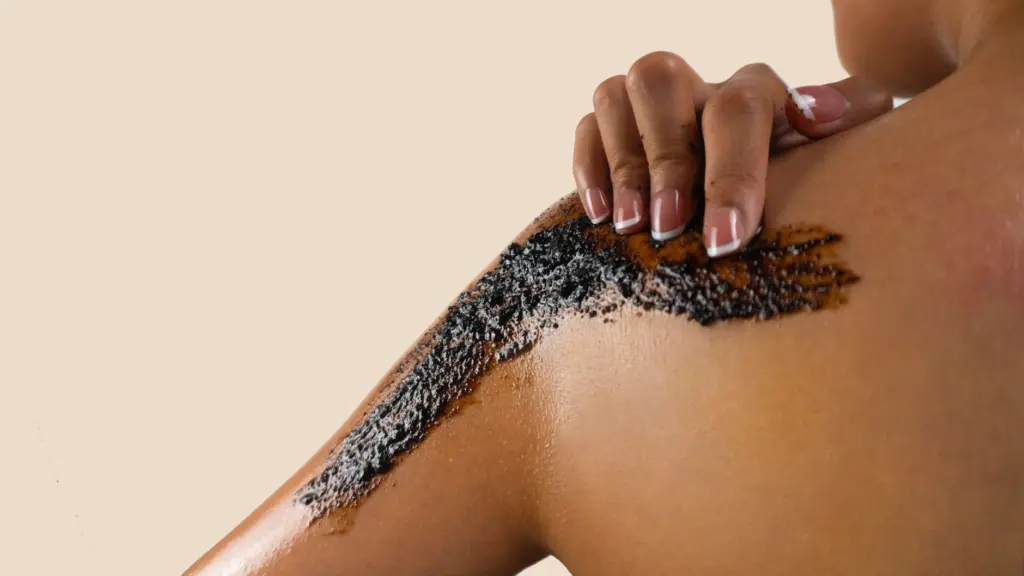
The menu wording comes from ResortPass. A scrub treats the surface of the skin, so it does not address muscle tension the way a massage does.
Body wrap
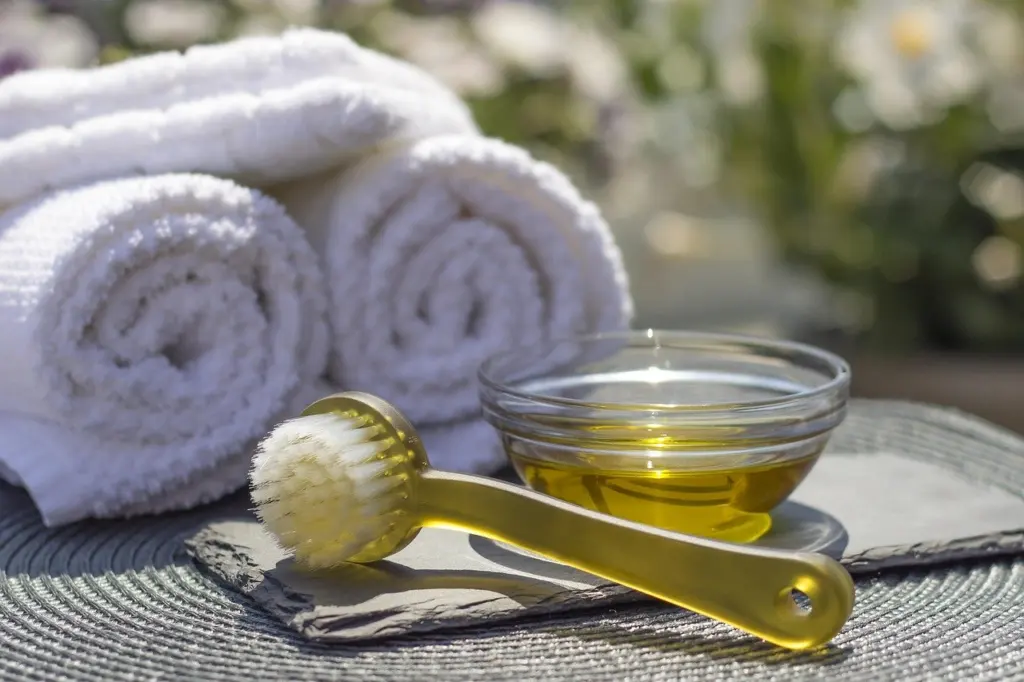
A body wrap is another body-focused treatment, and spa menus describe it in different ways. Ask what the wrap involves and what it is intended to do before booking, and treat any promise beyond relaxation and skin feel with caution.
Nail care and water-based treatments
A manicure and pedicure is the grooming treatment on a spa menu. Technicians trim the nails and moisturise the hands and feet, and the treatment can get rid of hangnails. It is about presentation and comfort, not muscle relief.
Hydrotherapy-style options are the water and heat side of a spa. A hot tub and a sauna are both listed among spa treatments next to massage and facials. They are usually something to use around other treatments, so check at booking whether access is included in your session.
Planning a visit around the treatment
Match the treatment to the outcome you want, then check the practical details. If you are unsure about clothing, read what to wear to a spa day. If you want several treatments in one visit, london day spa packages show how treatments are combined into a single booking.
- Skin goal: book a facial, and name any sensitivity first.
- Muscle goal: book Swedish for general relaxation or deep tissue for specific knots.
- Surface exfoliation on the body: consider a scrub.
- Grooming: a manicure or pedicure.
Frequently asked questions
How is microdermabrasion different from a chemical peel?
Microdermabrasion gently exfoliates the outer layer of the skin to remove dead skin cells. A chemical peel applies a specialised solution that removes the outermost layer and encourages new cell turnover.
What happens in a hot stone massage?
The therapist places warm, smooth stones on specific points on the body and leaves them there during the massage. It adds heat to a standard massage.
Is a body scrub a treatment on its own?
It can be, but a spa menu may use it as the first step of a longer treatment. Ask whether the scrub is bundled with another service when you book.