| Phase | Recommended approach | Planning use |
|---|---|---|
| Before booking | Check which towels and disposable underwear are included | Settles what you need to pack and avoids surprises at the desk |
| Packing | Treat your own clothes as transition wear; bring waterproof flip-flops because not every spa offers disposable shoes | Keeps the bag light but covers the footwear gap |
| Arrival | Wear loose, comfortable clothing; shower, remove makeup and cleanse your face | Makes changing easy and prepares you for pools and treatments |
| Thermal rooms | No swimsuit in a dry sauna; steam room naked or in a swimsuit; swimwear can be prohibited in communal bathing areas | Ask which rule your spa applies before you undress |
| Treatment room | Bathrobe or loose clothing, with disposable underwear available on site | You are covered by towels throughout a massage |
| Lounges | Wear appropriate clothing between areas | Respects guests who came for tranquillity |
The thermal-room and clothing points above follow Belmonte’s hotel spa guidance and a spa-day dress guide.
For what to wear to a spa day, bring a swimsuit or underwear to wear under the robe, plus slip-on footwear. Most spas supply robes, slippers and towels. Dress codes differ by spa and by area, so confirm yours when booking.
If you are still choosing where to go, start with our guide to the best spas in london. For a walk through a first visit from arrival to leaving, read what to expect at a spa.
Before you book: confirm the dress code
Dress codes are set spa by spa, so the most useful step comes before you pack anything. Advice from a spa-style guide is to check the spa’s website for its dress code, and asking at the time of booking works just as well.
- Read the dress code. Look for separate rules for the pool, the thermal rooms and the treatment rooms, because they often differ.
- Ask what is included. Belmonte’s hotel spa advises checking exactly what is included in the room and the spa salon, including towels and disposable underwear.
- Ask about robes. Some spas charge a rental fee or ask for a returnable deposit, so a quick question avoids a surprise at reception.
- Ask whether the spa is textile-free. This changes what you pack, and the thermal-room section below explains how.
Packing: what the spa supplies and what to bring
Spas typically supply robes, slippers and towels, which means the clothes you arrive in only serve as transition wear. That is good news if you prefer to travel light. What you do need to bring is whatever goes underneath, plus a few small items for comfort.

| Item | Usually supplied? | Planning use |
|---|---|---|
| Spa robe | Typically yes; some facilities offer disposable robes for hygiene | Do not pack a bulky robe unless you want your own |
| Slippers | Typically yes | Check before relying on them, and see the footwear advice below |
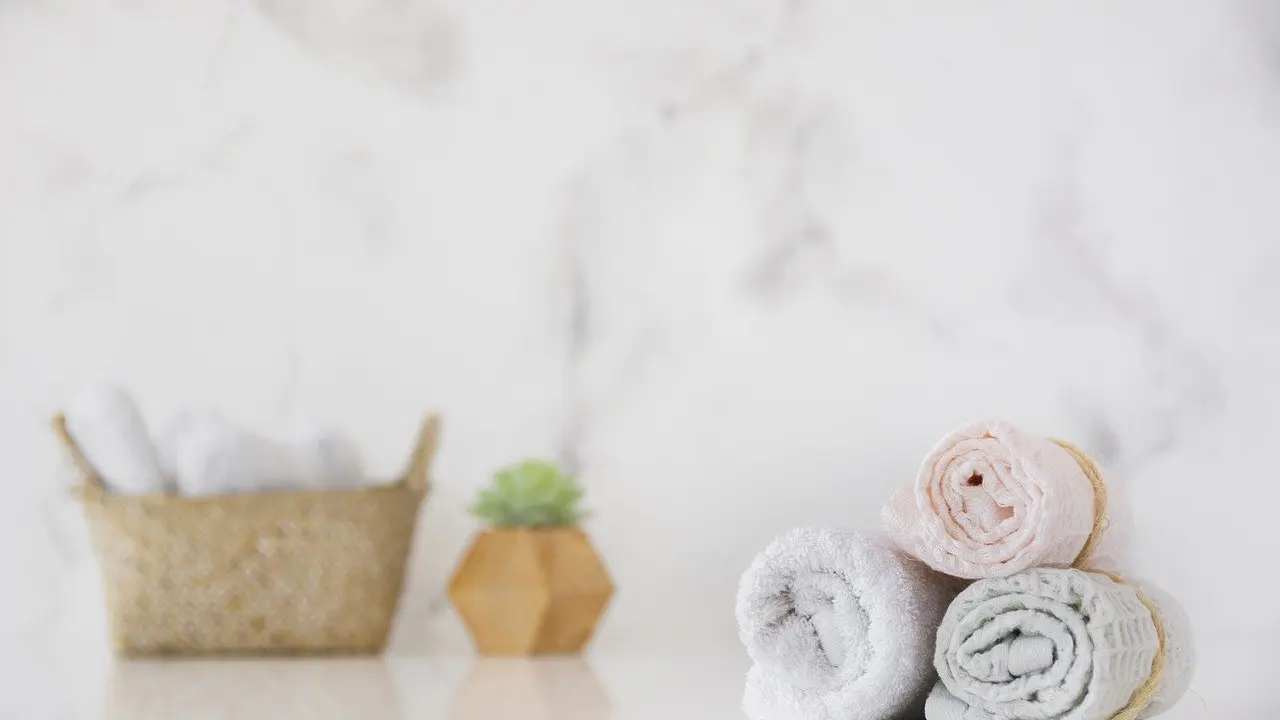
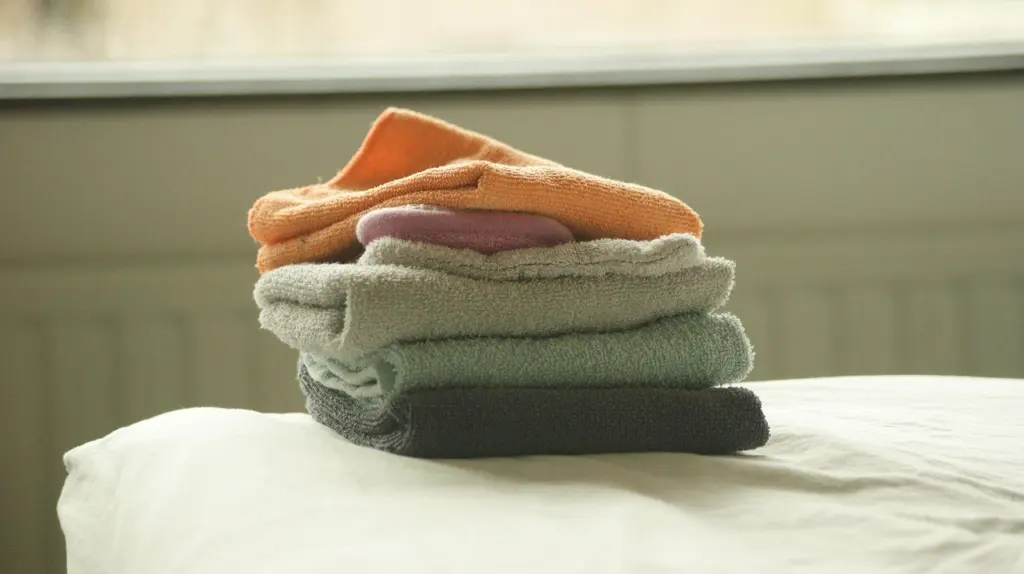
| Towels | Typically yes | Confirm at booking how many are provided |
| Swimwear or underwear | No, bring your own | Advisable beneath a provided robe in most cases |
The supply details come from a spa-day dress guide, and the advice on layers beneath the robe from a spa-day clothing guide.
Beyond the basics, a few extras make the day smoother.
- Loose, comfortable base clothing. Belmonte’s hotel spa calls loose and comfortable clothing the most important spa rule, because you will be changing and re-dressing several times.
- A light cover-up. A lightweight, loose-fitting piece that slips on and off easily over a swimsuit or robe is a practical choice.
- Towels in different sizes. A spa packing list includes towels of different sizes, which is worth considering if you like a separate towel for hair or for sitting on.
Arrival and changing
Arrive in the loose clothing you packed, then prepare before you enter any wet or thermal area. Belmonte’s hotel spa asks guests to take a shower before the visit, remove any makeup remains and cleanse the face before spa and pool use.
- Shower first. It is a hygiene courtesy to everyone sharing the pool and thermal rooms.
- Remove makeup and cleanse your face. This suits facials and heat rooms alike.
- Take off jewellery. It can interfere with treatments, and spa facilities often require removal before pools or hot tubs.
- Put on swimwear or underwear, then the robe. Add slip-on footwear for walking between areas.
Saunas, steam rooms and pools
You are not necessarily naked in thermal areas, but the rule depends on the room and on the spa. Swimwear is not universally required either, so treat the room type and the spa’s own rules as the deciding factors.
Dry saunas and steam rooms
In a dry sauna, Belmonte’s hotel spa says that you should not wear a swimsuit, and a towel to sit on is the practical solution. For the steam room the same spa says it is best to go naked, or possibly in a swimsuit. If you want to keep swimwear on, steam rooms are where that choice is most likely to be accepted, but confirm it with staff first.
Communal bathing and textile-free spas
European-style communal bathing areas often prohibit swimwear for sanitation reasons. Textile-free spas, common in European and Korean traditions, make nudity standard in gender-separated areas. If you would be uncomfortable with that, choose a spa that states a swimwear policy on its website rather than hoping for flexibility on the day.
Footwear in wet areas
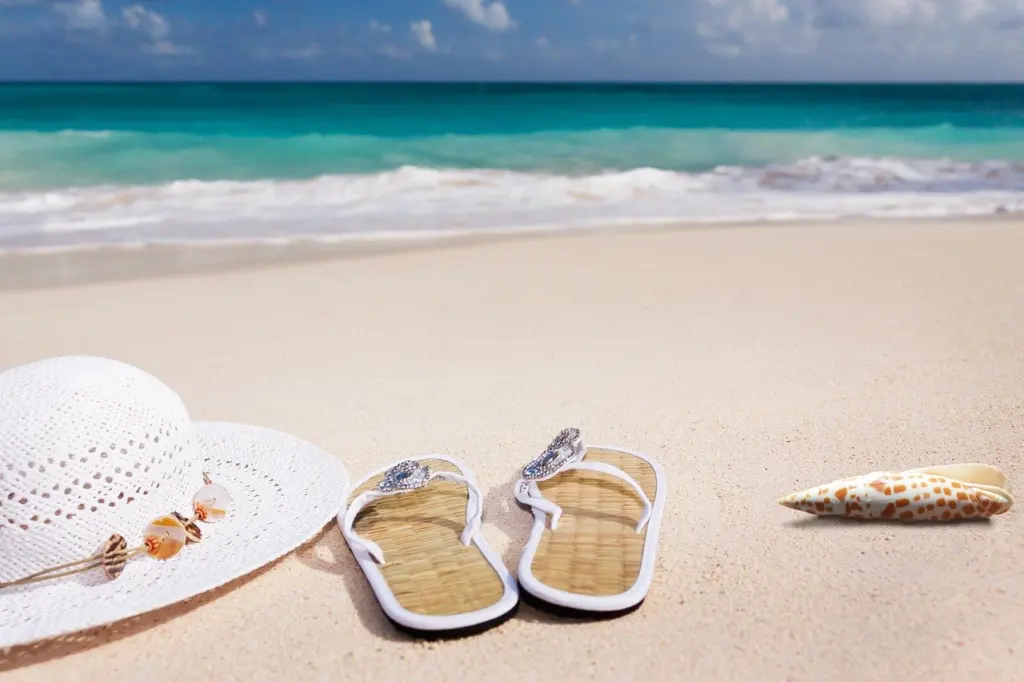
Outdoor shoes do not belong near wet and thermal facilities, so wear slip-on footwear there. Not every spa offers disposable shoes, according to Belmonte’s hotel spa, so waterproof flip-flops are a sensible item to pack.
Massage and treatment rooms
You are not left exposed during a massage. Therapists use draping for full-body massage, covering you with a towel and exposing only the area being worked on.
For what to wear in the room, Belmonte’s hotel spa names a bathrobe or loose clothing with disposable underwear available on site as the preferred attire. It adds that for a back, face or neck massage there is no need to take off all your clothes. A targeted treatment is therefore a good choice if you want to undress as little as possible.
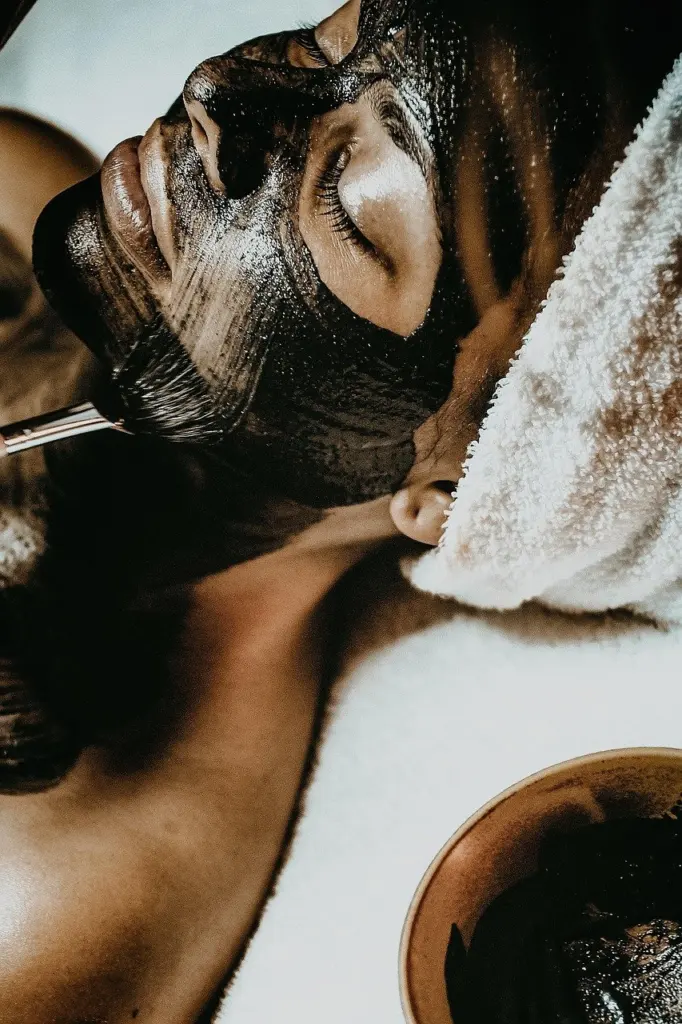
The treatment you pick shapes how much clothing comes off, so the guide to types of spa treatments helps you decide before you book.
Lounges and shared spaces
Spa lounges are shared, and your clothing is part of the courtesy. Walking through them in appropriate clothing shows consideration for other guests who came for tranquillity. In practice, keep your robe closed or your cover-up on when you move between the pool, the thermal rooms and the relaxation area, and save undressing for the changing rooms and treatment rooms.
Troubleshooting common mix-ups
- You are handed a disposable robe. Some facilities offer these for hygiene purposes, so it reflects the spa’s cleanliness policy rather than a lesser service. Wear your swimwear or underwear beneath it as you would with any robe.
- The spa’s rule differs from the one you expected. Follow the spa’s own rule, because dress codes vary between spas and between areas. If you are unsure, ask at reception before you undress rather than after.
Frequently asked questions
Do I need to bring my own robe?
No. Bringing your own robe is optional, and most spas provide one.
How much underwear should I pack?
A spa packing list from High Latitude Style suggests at least two changes of underwear, which covers a swim and a treatment.
Can I walk to the spa in my bathrobe?
At Belmonte’s hotel spa, guests can prepare in their room and go to the spa zone in a bathrobe. Some facilities do not allow it, so ask first.