Planning a spa day and unsure where to start? The best spas in London differ most in who can enter, what the price includes and what must be booked ahead, so check those three things first.
- Staying at a hotel with a spa: read its published access rules before anything else, because even a guest may need to book treatments in advance.
- Visiting from outside: look for hotel day experiences and bathing venues that sell entry to the public, and skip spas restricted to residents or guests.
- Comparing value: judge a spa day by what the price bundles together, not by the headline figure alone.
This guide compares the main spa types first, then sends you to the specialist guides, starting with spas in central london for venues around the centre of the city.
Choose your route through London spas
Start from the reason for the visit, not from a ranking. Boutique Handbook notes there are over 3,000 spas in the UK and describes choosing which one to book as a bit of a minefield, so a shortlist built around your goal saves more time than a league table. Each route below ends with the guide that goes deeper.
If this is your first spa visit
Choose a spa that publishes its booking and access rules plainly, and book a treatment rather than turning up for facilities alone. St Pancras Spa, for example, states that treatments need advance booking and that its relaxation room is available only in conjunction with a spa treatment. A treatment-led booking is the simplest first visit because the venue expects you at a set time and the rest of the day is organised around it. Our guide to what to expect at a spa follows a first visit from arrival onwards.
If you want the best spa London has for relaxation
Relaxation is easiest to judge from what a spa lets you do before and after the treatment. Corinthia’s published day experiences describe heat and water circuits featuring an indoor swimming pool, a vitality pool, an amphitheatre sauna, an ice fountain, heated marble loungers and sleep pods. That is a facility list designed for lingering. A venue whose published offer is mainly a treatment room suits a shorter, more focused visit, so match the spa to the amount of unhurried time you actually have.
If you are staying in a hotel
Being a guest removes some booking steps but not all of them. St Pancras Spa says its swimming pool, steam room and sauna are available with pre-booking not required for hotel guests, while treatments still need a reservation. Corinthia reserves its gym for guests, with access 24/7 for guests of Corinthia London. If your hotel has a spa, read its page before booking a treatment elsewhere, and use our guide to the best hotel spas in london to compare it with the alternatives.
If you want a packaged day
Hotel day experiences bundle a treatment, a meal and facility access into one price, which makes budgeting simpler than assembling a day from separate bookings. Corinthia’s weekday package is the clearest published example, and its price and inclusions appear in the comparison table below. To browse bundles across the city, see london day spa packages.
If you are planning an occasion
Groups and celebrations change the questions you need to ask. You need to know whether the spa accepts a party, whether treatments can be booked at matching times and whether the facilities suit everyone attending. The guide to a hen party spa day london is the place to compare group options. Anyone searching for the best luxury spas London offers should read luxury spa london next, then apply the same three checks of access, inclusions and booking rules. For men planning a visit, mens spa london is the matching guide.
If a particular style matters
When massage is the main aim, choose a venue by its treatment menu and the number of rooms it runs rather than by its pool, and see massage spa london. If a bathing-led format appeals more than a treatment-led one, korean spa london covers Korean and Japanese options. If treatment names on a menu are unfamiliar, read about the types of spa treatments before you pay for one.
Day spa or hotel spa: how the types differ
A day spa sells a visit to the public, while a hotel spa sits inside a hotel and may give guests priority or exclusive access. The access rule is the practical difference, and it is the first thing to check because it decides whether you can book at all.
The Spa at Park Lane shows the strict end. Boutique Handbook reports that you have to be a hotel guest or a resident of Mayfair Park Residences to use the spa, so a visitor from outside cannot treat it as a day-spa option. Corinthia shows the open end: its BIOME spa publishes day spa experiences priced per person, which means an outside visitor can buy a day there. Between the two sits St Pancras Spa, where guests have simpler access to the pool, steam room and sauna and everyone else is steered towards booked treatments.
Day-pass marketplaces treat both types as days out. Virgin Experience Days describes its London range as running from iconic hotel spas in Mayfair and the City to hidden boutique retreats in Shoreditch and Notting Hill. For a buyer, the label matters less than the rules attached to the ticket.

When a hotel spa suits you
A hotel spa suits you if you are staying there, or if the hotel sells day experiences to outsiders and you want a bundled, hosted day. The advantage is a single booking that can include a treatment, a meal and the facilities. The trade-off is that the spa follows the hotel’s rules, and a guests-only spa such as Park Lane is simply closed to you otherwise.
When a day spa suits you
A dedicated venue suits you if you are not staying anywhere and want the facilities to be the main event. AIRE Ancient Baths London is described by Boutique Handbook as a venue with seven thermal baths and nine treatment rooms, which makes bathing the centrepiece and treatments an addition. Choose this format when you would rather spend your time moving between baths than settling into one treatment room.
| Spa | Type | Published detail | Planning use |
|---|---|---|---|
| Corinthia BIOME | Hotel spa selling day experiences | Spa 7:00am-9:00pm; treatments 10:00am-8pm; day experience from £375 per person Monday to Friday, including a 90-minute massage and light lunch | Suits a weekday visit when you want treatment, lunch and facilities in one booking |
| Claridge’s Spa | Hotel spa | Prices from £95 per person; 90-minute treatments include pool access | Suits visitors who want a treatment with pool access rather than a full package |
| The Spa at Park Lane | Hotel spa | Hotel guests or Mayfair Park Residences residents only | Relevant only if you are staying there; rule out for outside visitors |
| AIRE Ancient Baths London | Thermal bathing day spa | From £150 per person; seven thermal baths; nine treatment rooms with individual and couples massages | Suits a bathing-led day, including couples treatments |
These figures come from Corinthia’s published day spa experiences page and Boutique Handbook’s roundup of UK spas, so confirm current rates with each spa before booking.
The decision rule is short. If you are a guest, begin with your own hotel’s spa. If you are not, begin with venues that publish a price and a public booking route, then compare what each bundle includes.
What to expect at a London day spa
Expect a booked appointment, a fixed treatment length and facilities that run to their own hours. A spa visit is rarely a drop-in, and the published rules show why: reservations are tied to treatments, and some areas are reserved for people who have booked one.
Hours and treatment windows
Facility hours and treatment hours are not always the same. St Pancras Spa lists its opening hours as Monday to Sunday 7am-9pm. Corinthia separates the two: the spa runs 7:00am-9:00pm while treatments run 10:00am-8pm. The practical lesson is that the spa can open well before the first treatment slot and stay open after the last. If you want a long, unhurried day, build it around the treatment slot and use the surrounding hours for the pool or relaxation areas rather than assuming treatments are available all day.
Treatment length and the relaxation room
Shorter treatments may not be available everywhere. St Pancras Spa states that treatments are available with advance booking and a minimum of 60 minutes, and that its relaxation room needs advance booking in conjunction with a spa treatment. For a first visit this is useful: you are buying a block of time, not a quick appointment, so plan the rest of the day around it. Where a relaxation room depends on a treatment booking, a facilities-only visit may not give you everything on the website.
Arrival and dress are covered in more detail in our guide to what to wear to a spa day, which is worth reading before you decide what to pack.
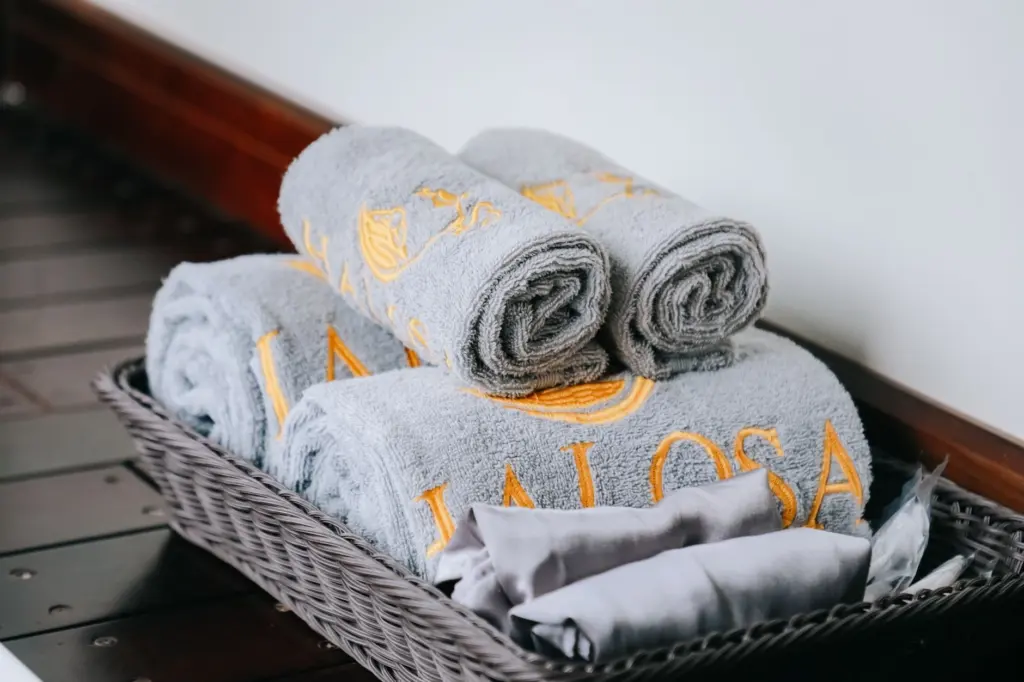
Pools, saunas and steam rooms
Thermal facilities are where spa pages differ most, and they are the part of a day you are most likely to pay extra for or lose access to. Look at which facilities are named, whether they come with your booking, and whether guests and visitors are treated alike.
Corinthia gives the fullest published list: an indoor swimming pool, a vitality pool, an amphitheatre sauna, an ice fountain, heated marble loungers and sleep pods, all described in its heat and water circuits. Claridge’s takes a different approach: Boutique Handbook says its 90-minute treatments include access to the pool, so the pool is tied to a treatment. Judge a spa by this kind of inclusion. A pool you can only reach with a treatment suits someone who wants a massage anyway, whereas a circuit sold as part of a package suits someone who wants to move between rooms.
Sauna and steam room
St Pancras Spa lists its swimming pool, steam room and sauna together as available, with pre-booking not required for hotel guests. Listing the sauna and steam room separately is a useful reminder to check which one a venue actually offers, because a page that names only one should not be read as promising both. Corinthia names an amphitheatre sauna in its circuit but its page lists no separate steam room in that description, so confirm before you travel if a steam room matters to you.
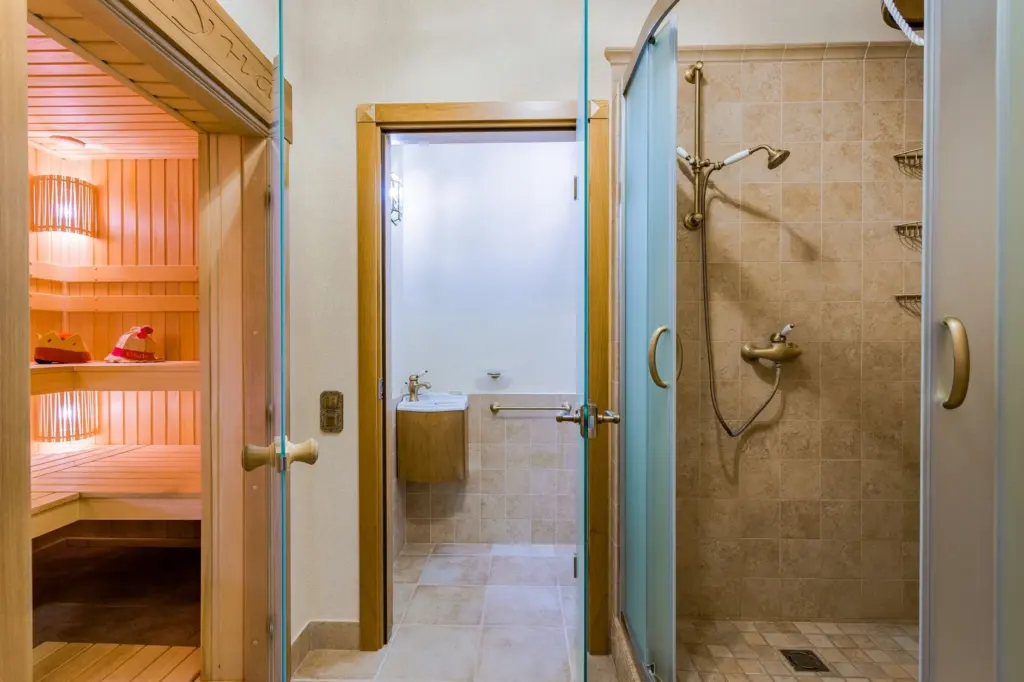
Couples and shared treatments
Couples massage depends on rooms, not on goodwill. A spa can only offer a shared treatment if it has a room built for two, so the number of double rooms matters more than the length of the menu.
Vacayou reports that COMO Shambhala has six treatment rooms, including two doubles. That ratio is the thing to notice: only two of its six rooms can host a shared treatment, so shared slots are the constraint to check first and the date you want may fill before a single treatment would. AIRE Ancient Baths London, by contrast, is described by Boutique Handbook as having nine treatment rooms with individual and couples massages, so it lists couples treatments openly as part of its offer.
When you shortlist, ask whether the room for two is a true double or two separate rooms, and whether the facilities can be used together afterwards. Our guide to a couples spa london visit compares venues on these points.
Prices and what they include
A spa day is worth the cost when you use most of what the price includes, and less so when you pay for facilities you will not reach. The right comparison is between bundles, not between headline numbers, because a figure that covers a treatment, lunch and a circuit is not the same product as a day pass.
Corinthia’s published range shows how far bundles can differ. Its higher-priced experience is the Augustinus Bader day experience at £650 per person, available Monday to Sunday, with a 90-minute body treatment and a 60-minute facial. That suits someone who wants two substantial treatments in one visit and values the treatment brand, whereas the weekday massage-and-lunch package in the table above suits a simpler day.
Resellers add a second price layer. Virgin Experience Days lists a luxury spa day pass at St Pancras Spa for £80, and a 50-minute massage with fizz at Beauty & Melody Courthouse Spa shown at a £68 sale price against a listed £140. Two lessons follow. A pass can be a cheaper way into the facilities than a full package, and a reseller sale price can sit well below the figure a spa lists, so compare it with the spa’s own site and check the terms before you commit.
Deciding whether a day is good value is therefore a matter of three questions. What does the price include, how much of it will you realistically use, and does the spa’s published rule about access and treatment length match the day you have in mind? If the answers line up, a package is usually better value than assembling a day from parts.
Checks before you book
Work through these in order before paying a deposit or buying a voucher.
- Confirm who may enter. Look for guest-only or resident-only wording first, since it can end your search straight away.
- Match the price to the inclusions. Check whether the pool, sauna, steam room or relaxation room come with your ticket or with a treatment.
- Check the treatment minimum. Some spas set a minimum treatment length, so confirm it fits your day.
- Compare facility and treatment hours. They can differ, which affects how much time you can spend in the facilities.
- Read the age and guest policy. Children’s access can be limited to certain windows and to hotel guests.
If you want a step-by-step walkthrough of reservations and vouchers, see how to book a spa day.
Finding a spa by area
Choose an area close to where you are staying or ending your day, because a spa visit is easier to enjoy when travel is short at either end. Published locations are limited, but they show the spread. Corinthia’s BIOME spa is at Whitehall Place, London, SW1A 2BD, in the centre of the city. Virgin Experience Days points to hotel spas in Mayfair and the City and to boutique retreats in Shoreditch and Notting Hill, which suggests that hotel-led venues cluster in the central districts while smaller retreats sit in residential and creative neighbourhoods.
Visitors based in the centre should start with the guide to spas in central london linked earlier. For the western side of the city, see spas in west london, and for the northern and eastern districts, see spas in north london. Whichever area you choose, apply the same checks on access, inclusions and booking rules before you travel.
Frequently asked questions
| Question | Answer |
|---|---|
| What should I bring to a spa day? | Start with what the spa supplies. St Pancras Spa says towels are provided and suggests that staying guests use their room bathrobes and change before arriving. If you plan to use a pool, sauna or steam room, confirm the dress expectations with the spa before you pack. |
| Can children use London spa facilities? | Policies vary by spa. St Pancras Spa lists children’s hours of 8am-10am and 2pm-4pm, Monday to Sunday, for in-house guests only. Check each spa’s published age policy before booking. |
| How should I use London spa reviews? | Use reviews to judge atmosphere and service, then check the spa’s own page for hours, access rules and inclusions. A review can be out of date, while the spa’s published rules are the terms you are actually booking. |