| Criterion | Swedish massage | Deep tissue massage | Planning use |
|---|---|---|---|
| Typical pressure | Light to medium | Firm | Choose by how much intensity you want to feel during the session. |
| Tissue focus | A soothing, full-body experience | Deeper layers of muscle and connective tissue | Whole-body ease points to Swedish. Specific tight areas point to deep tissue. |
| Suits | Beginners or anyone wanting a soothing full-body massage | Athletes with sports-related injuries or muscle overuse | A first session usually fits Swedish. Recurring, localised tightness fits deep tissue. |
| Check first | Agree a comfortable pressure with your therapist | Easy bruising, pain sensitivity and blood thinners | Mention these when booking, before any firm work starts. |
The pressure, tissue and suitability descriptions come from the ILaspa comparison of the two styles and the Body Mechanics guide to choosing a massage.
Swedish vs deep tissue massage comes down to pressure and purpose: choose Swedish for a light-to-medium, soothing full-body session, and deep tissue when you want firm, slow work on tight muscle and can tolerate intensity that should never become painful.
If you are weighing up other treatments as well, the wider guide to massage therapy and spa treatments puts both styles in context. The sections below match each style to a common situation.
How Swedish massage works
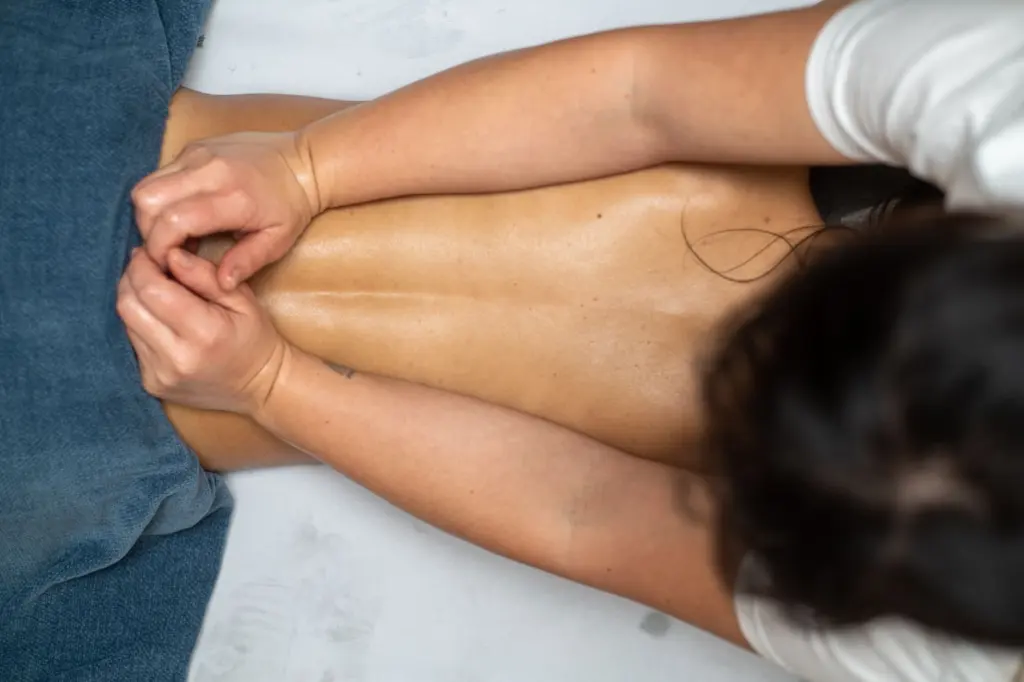
Swedish massage is characterised by long strokes at light-to-medium pressure, with some tapping and other movements mixed in, according to a physical therapy practice’s comparison of massage types. The style has its roots in techniques such as effleurage and petrissage, as a practitioner guide to the two styles explains. Effleurage is the long, gliding stroke most people picture when they think of an oiled-back massage.
That mix of long strokes and moderate pressure is why Swedish is the style most often described as soothing. The same comparison from ILaspa calls it the perfect choice for beginners or anyone seeking a soothing, full-body massage.
- Choose it for general tension. If your whole body feels tired or tight and you want to unwind, long strokes across large areas fit the aim better than concentrated pressure.
- Expect restraint. Light-to-medium pressure may feel too gentle if you are hoping to feel firm work on one stubborn spot. In that case, deep tissue is the better match.
How deep tissue massage works
Deep tissue massage uses firm pressure and slow strokes to target deeper layers of muscle and connective tissue, as the Body Mechanics guide describes. To reach that depth, therapists use their elbows, forearms and knuckles to penetrate into the muscle, not just their palms. Our explainer on what is deep tissue massage goes into the method in more detail.
Practitioner descriptions name myofascial release and trigger point therapy among the techniques used to address specific issues. Physical therapists likewise use myofascial release to relieve tension in trigger points, the tight spots in muscle that people tend to call knots. The ILaspa comparison adds an important limit on intensity: a deep tissue massage can be intense, but it should never be painful.

- Best for targeted problems. A tight shoulder, a stubborn knot or a muscle that keeps tensing again suits firm, slow, localised work.
- Needs feedback. Because depth and discomfort sit close together, the session works best when you tell the therapist how the pressure feels as it builds.
Choosing for a first massage
Swedish is the safer default for a first session. It is described as beginner-friendly, and its light-to-medium pressure leaves room to ask for more if you want it. Starting gentle and asking for firmer work is easier than recovering from a session that began too hard.
Pressure is not fixed by the style name. The ILaspa guide frames pressure as something adjusted to your comfort, so say so at the start and again whenever it feels wrong. Therapist training also differs: Body Mechanics points out there is no standard of education across the board for massage therapy. Before booking, ask about the therapist’s qualifications and how they usually work, and treat a vague answer as a reason to look elsewhere.
Lower back pain: which style to pick
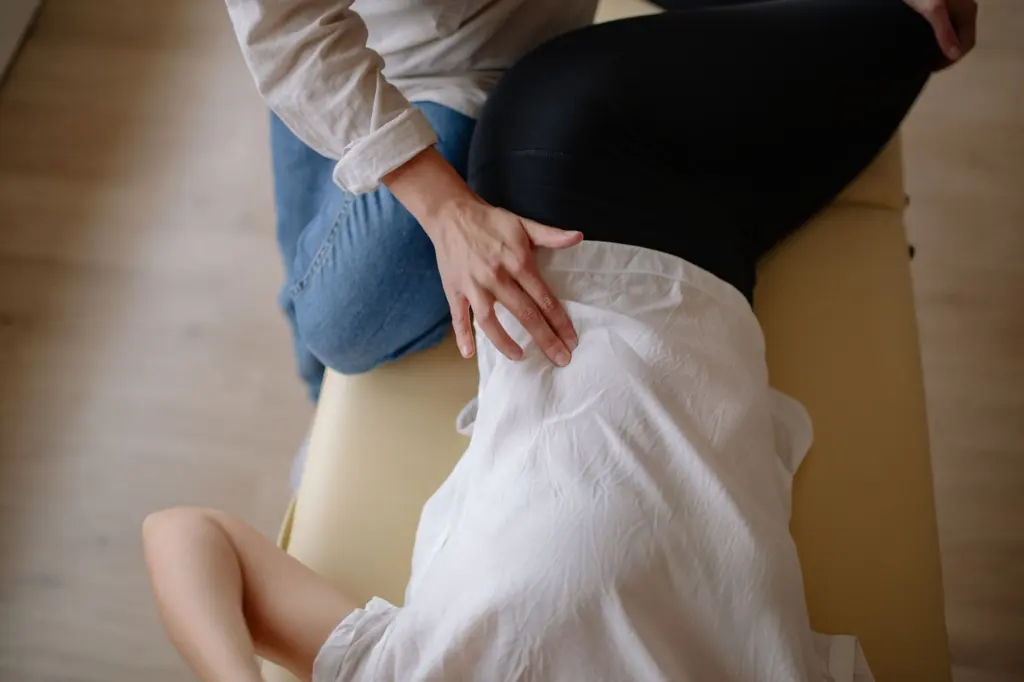
Neither style is automatically better for lower back pain. The right choice depends on what the back feels like and how much pressure you can tolerate. Physical therapists often use Swedish techniques on tight hamstrings, calves and the lower back, which shows that lighter strokes have a place in treating this area. Deep tissue is the alternative when you can point to one tight spot and want it worked firmly.
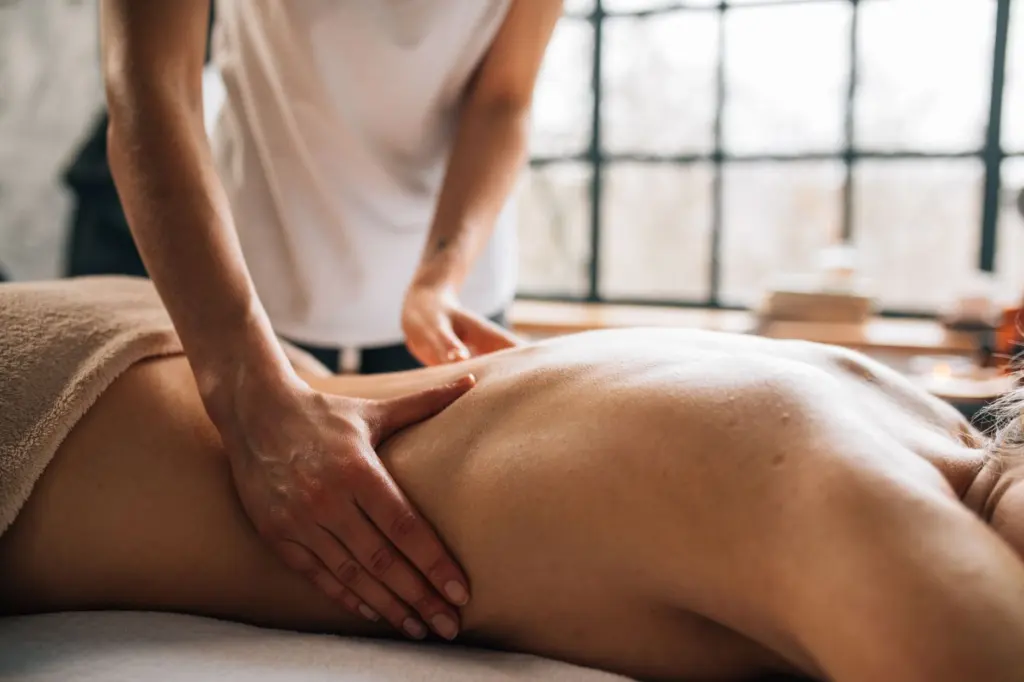
- Diffuse stiffness. If the whole area feels tight and achy with no single sore point, Swedish-style strokes are the gentler starting option.
- One localised tight spot. If the tension sits in a specific place, ask for firmer, slower work there. Keep the pressure within what you can relax into.
- Unexplained or worsening pain. Mention it to a health professional before booking either style, since massage choice is no substitute for finding out what is causing it.
A combined session is also an option for the back, covered in the questions below.
Deep tissue vs sports massage
Deep tissue and sports massage overlap, but they are defined differently. Deep tissue is defined by how it is applied: firm pressure and slow strokes reaching deeper muscle and connective tissue. Sports massage is defined by what it is for. A physical therapy practice’s comparison says the technique focuses primarily on getting you back to the activity your body is not performing at its best, and that it emphasises tissue recovery, increasing mobility and easing tension. Our guide to what is sports massage covers it in depth.
The overlap is real. ILaspa recommends deep tissue for athletes with sports-related injuries or overuse of muscles, so the same firm pressure can appear in both. The practical difference is the goal you bring to the table.
- Pick sports massage when a training goal drives the booking and you want the session aimed at recovery, mobility and getting back to your activity.
- Pick deep tissue when the aim is release of tight muscle in general, whether or not sport is involved.
- Pick Swedish when the aim is relaxation and you do not want firm pressure.
Frequently asked questions
Can I ask for a mix of both?
Yes. Some clients alternate between Swedish-style and deep tissue massage to get the best of both worlds, as a spa’s guide to the two styles notes. Tell the therapist which areas need firm work and which you want kept light.
Should deep tissue massage hurt?
No. It can feel intense, but it should never be painful, according to the ILaspa guide. If the pressure becomes painful, ask the therapist to ease off.
Who should think twice about deep tissue massage?
Body Mechanics advises that if you bruise easily, are sensitive to pain or have diagnosed or undiagnosed issues, deep tissue may not suit you. If you are on blood thinners or bruise easily, it suggests choosing something else, so a lighter Swedish session is the likelier fit. Its guide has the full wording.