What is sports massage? It is a specialised form of massage that targets the muscles used in athletic performance, aiming at function rather than relaxation. Evidence suggests it can ease soreness after hard exercise, though performance claims are less settled.
Sports massage sits within the wider range of treatments covered in massage therapy and spa treatments. This guide explains it by timing: before an event, after it and between events. It then sets out what the research supports and how runners can plan sessions.
What sports massage targets
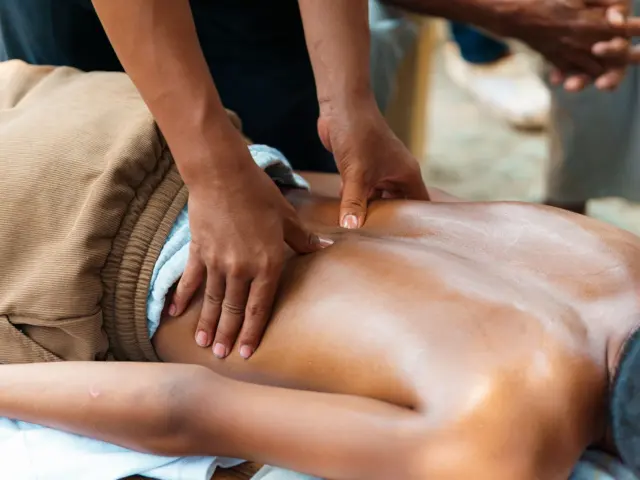
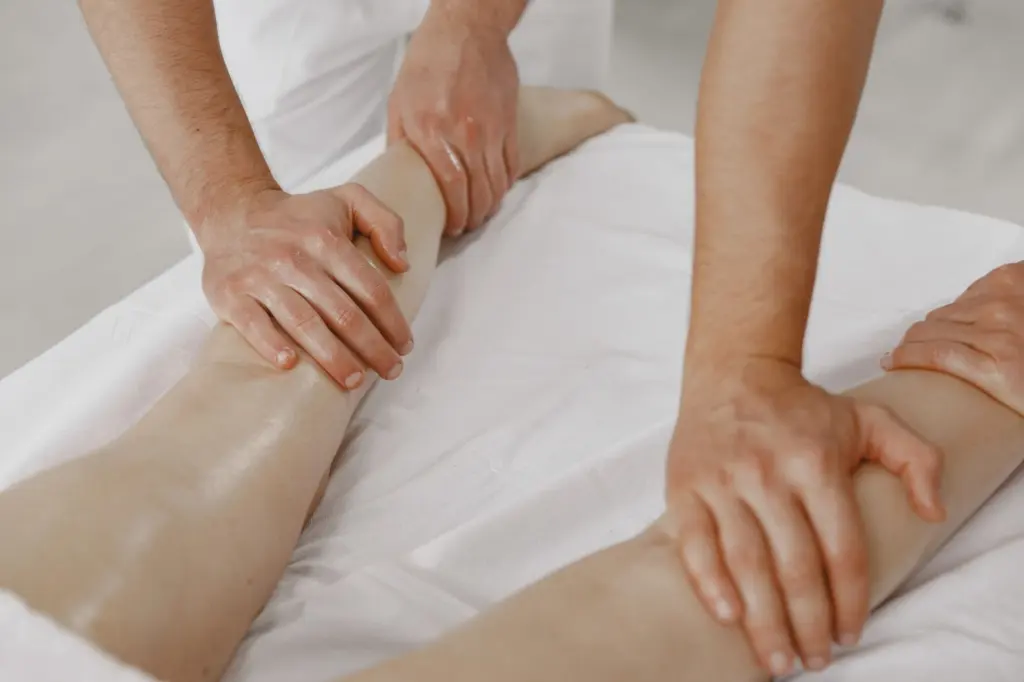
Sports massage is a specialised form of massage therapy that targets the muscles used during athletic performance. The Swedish Institute describes it as focusing on a part of the body subjected to strain or athletic injury. A session therefore concentrates on a specific area under load, not the whole body.
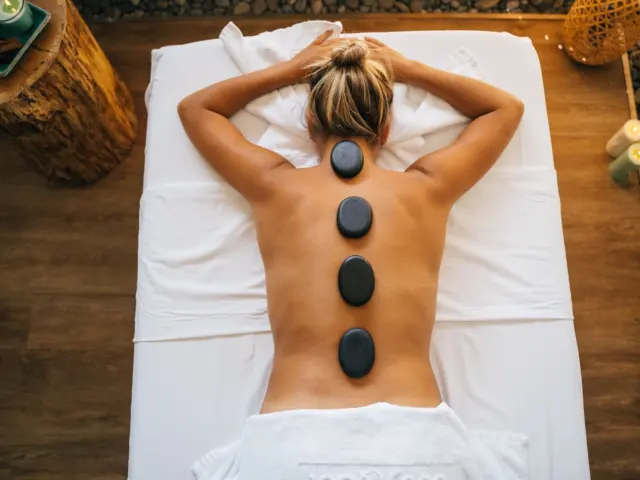
That focus explains the difference in purpose. According to Big Burd Performance Systems, the goal is not relaxation but function. A client who mainly wants to unwind is likely to be better served by a general treatment, and the comparison in swedish vs deep tissue massage helps when choosing between common styles. For a treatment with a different character again, what is hot stone massage describes it in full.
The Swedish Institute also says a sports massage therapist helps athletes improve physical performance and heal from injuries. This is a description of what the practice aims to do. It is not proof of results, and the research below shows how much of it has been tested.
Sports massage by timing
Sports massage is used for preparing for a competition, recovering from an event, or maintaining the body. These three uses form a sequence, and each answers a different question for the athlete.
- Before the event (pre-event massage). This session is part of preparing for competition. It suits athletes who already use massage in training and want a familiar routine before racing. The research summarised in the next section concerns massage given after strenuous exercise, so pre-event work rests more on practitioner convention than on that evidence.
- After the event (recovery massage). This session follows a hard effort or competition. It is the timing most closely tied to delayed onset muscle soreness, the stiffness and ache that develops after unaccustomed or strenuous exercise. It is also the timing the pooled research addresses.
- Between events (maintenance). Maintenance sessions form part of regular training and keep the body ready for the next demand. They suit anyone putting consistent physical demand on their body who wants to keep doing it.
The practical rule is to book by purpose. Choose pre-event work to prepare, recovery work after a hard effort, and maintenance when training is steady. What the research says about the recovery stage is covered next.
What research says about soreness and recovery
A systematic review and meta-analysis of massage and delayed onset muscle soreness pooled eleven articles with 23 data points, involving 504 participants. Participants who received massage after strenuous exercise reported lower muscle soreness than those who received no intervention. The size of the effect is expressed as a standardised mean difference (SMD), where a negative value on a soreness rating means lower soreness.
| Outcome | Pooled result with massage vs no intervention | Planning use |
|---|---|---|
| Muscle soreness rating at 24 h | SMD -0.61 | Soreness was lower within the first day, so recovery massage is reasonable soon after a hard effort. |
| Muscle soreness rating at 48 h | SMD -1.51 | The difference was larger on the second day, when soreness often peaks for many people. |
| Muscle soreness rating at 72 h | SMD -1.46 | The benefit was still present on the third day, so a single session may help over several days of soreness. |
| Muscle performance (MIF) | SMD 0.56 (95% CI 0.21 to 0.90) | Performance measures improved, with a wide range of plausible effect sizes. |
| Muscle performance (peak torque) | SMD 0.38 (95% CI 0.04 to 0.71) | The lower end of the interval is close to zero, so expect a modest benefit at best. |
| Serum creatine kinase | SMD -0.64 (95% CI -1.04 to -0.25) | This blood marker was lower with massage, consistent with the soreness findings. |
Figures are from the pooled analysis of massage and delayed onset muscle soreness.
The authors’ own wording is cautious. They state that the current evidence suggests massage after strenuous exercise could be effective for alleviating soreness and improving muscle performance. That is suggestive evidence, not a guarantee. The soreness result is the better supported of the two. The wide interval around peak torque means a performance boost should not be the main reason to book.
Sports massage for runners
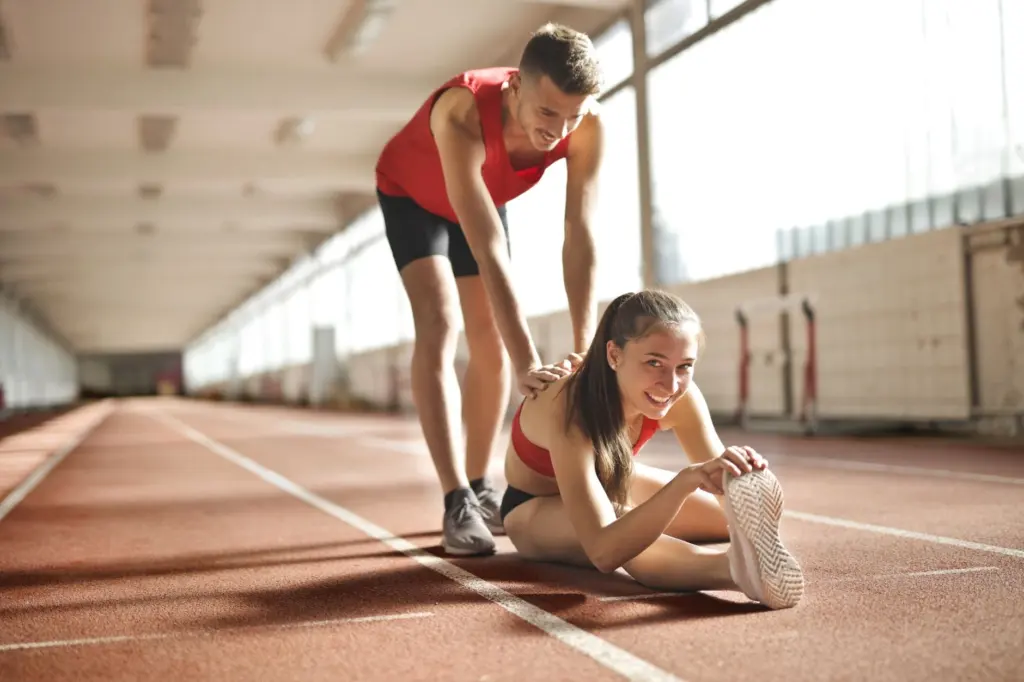
Sports massage is a sensible fit for runners. Running is repetitive and puts consistent demand on the legs, which matches the people Big Burd Performance Systems describes as suited to it: anyone putting consistent physical demand on their body who wants to keep doing it. The Swedish Institute adds that sports massage therapists aim to help athletes perform, become more flexible and heal from injuries.
How often to book
A single interval is hard to justify, and any fixed schedule is a starting point rather than a rule. The most useful approach is to let training demand set the rhythm:
- After a hard effort or race. Recovery massage is the timing supported by the soreness research, so use it when legs are sore from an unusually demanding session.
- During steady training. Maintenance sessions can be spread across a training block. Space them to suit the budget and how the body responds, then adjust.
- Ahead of an important event. Pre-event massage fits best if it is already part of the runner’s routine, because the evidence for it is thinner than for recovery work.
If soreness or tightness returns quickly after each session, tell the therapist and discuss changing the plan. A therapist can then adapt the focus to the area under strain.
Assessment before treatment
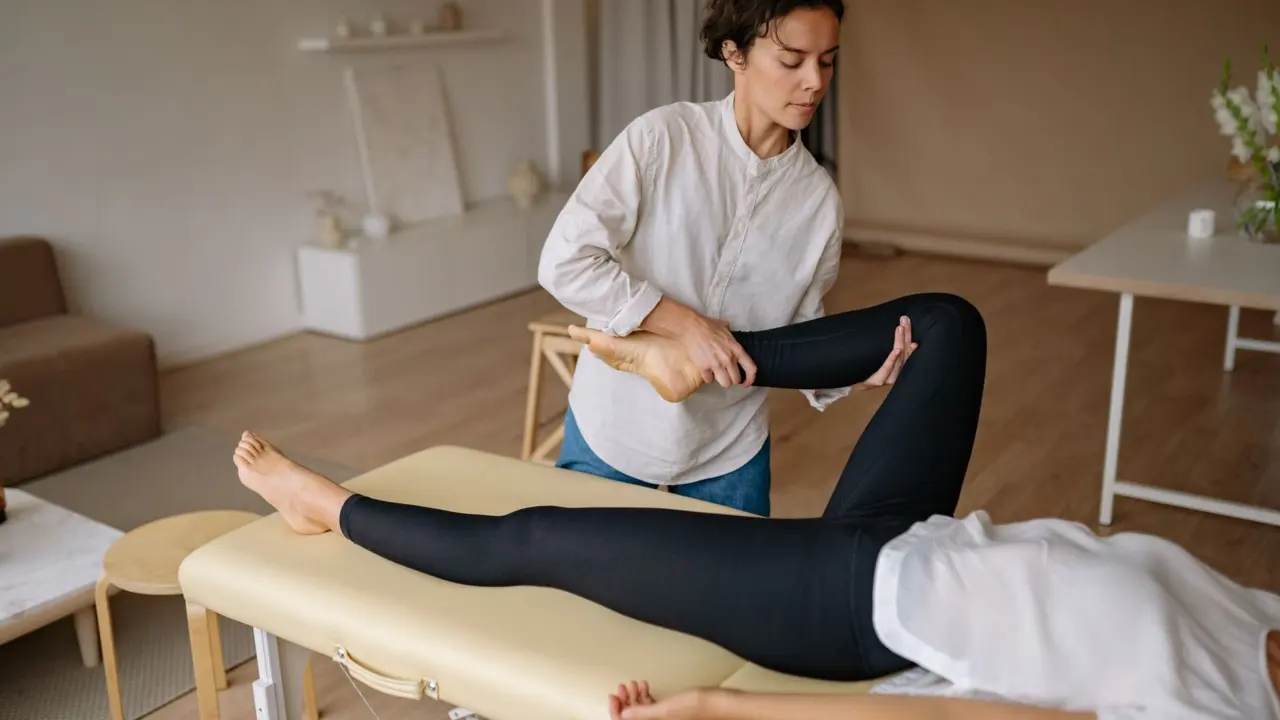
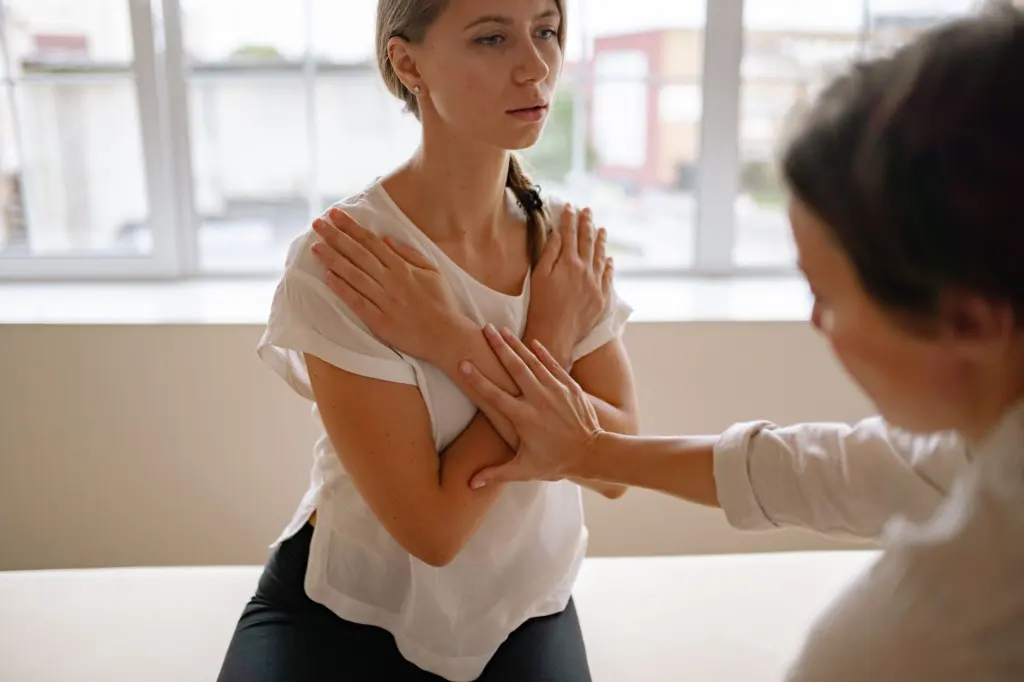
Because a session focuses on a part of the body under strain, it starts with working out which area that is. A therapist might check how freely a joint such as the shoulder moves or where a client feels tension. This is why sports massage fits athletes in many sports and not only runners. The area treated depends on what the activity loads.
Self-care between sessions
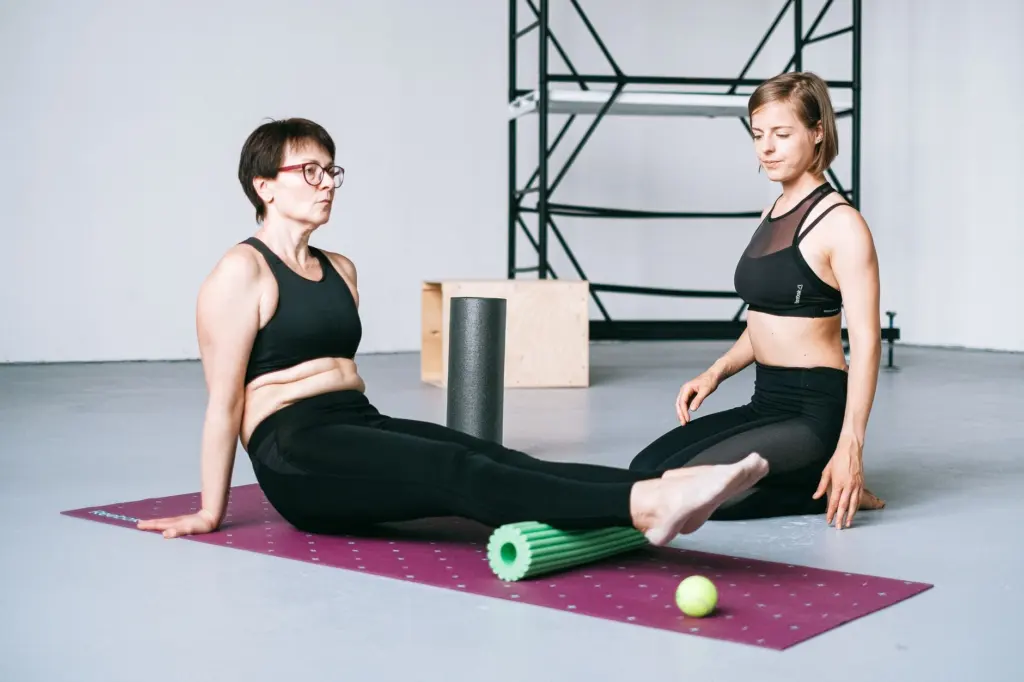
Tools such as a foam roller or massage ball let someone work on a sore muscle between appointments. They can keep attention on the area a therapist has identified. The pooled research above involved participants who received massage, so its findings should not be assumed to carry over to self-applied tools.
Frequently asked questions
Do you need to be an athlete to have a sports massage?
No. Sports massage is for anyone putting consistent physical demand on their body who wants to keep doing it, so recreational runners and regular gym-goers qualify as well as competitors.
What is delayed onset muscle soreness?
It is soreness that develops some time after strenuous exercise instead of during it. It is the outcome measured in the pooled review of massage after strenuous exercise, which is why that research is the main evidence for recovery massage.
Does sports massage improve flexibility?
The Swedish Institute describes sports massage therapists as helping athletes become more flexible. The pooled review reports soreness, muscle performance and a blood marker rather than flexibility, so treat flexibility as an aim of the practice, not a result confirmed by that research.